The 12-3-30 Treadmill Workout: Science-Backed Fat Burning
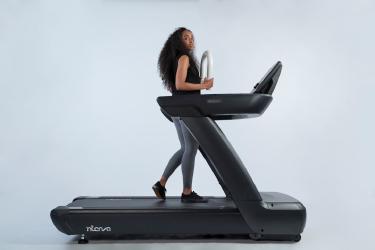
You’ve probably seen this workout flooding your social media feeds. A woman walks on a treadmill at 12% incline, 3 mph speed, for 30 minutes. Simple enough. But does the 12-3-30 workout actually deliver results, or is it just another fleeting fitness trend?
The short answer: it works. But not for the reasons most people think.
What Is the 12-3-30 Workout?
Influencer Lauren Giraldo created this protocol after years of struggling to stick with traditional cardio. The formula is straightforward:
- 12 = 12% incline on your treadmill
- 3 = 3.0 mph walking speed
- 30 = 30 minutes total
That’s it - no HIIT intervals. No sprinting - no complicated programming. You walk uphill at a moderate pace for half an hour.
Giraldo claims she lost 30 pounds using this method, and thousands of others have reported similar results. The scientific community initially dismissed it as gimmick marketing. Then researchers started paying attention.
The Science Behind Incline Walking
Walking at a steep incline fundamentally changes how your body burns fuel. Here’s what happens physiologically:
**Increased muscle activation. ** A 2019 study published in Gait & Posture found that walking at 12% incline activates your glutes 635% more than flat walking. Your hamstrings work 345% harder. This isn’t light activation-your posterior chain does serious work.
**Higher calorie expenditure without high impact. ** Walking 3 mph on flat ground burns roughly 100 calories in 30 minutes for a 150-pound person. Add that 12% incline - you’re looking at 280-340 calories. That’s nearly triple the burn without pounding your joints.
**Fat oxidation optimization. ** Your body has two primary fuel sources: carbohydrates and fat. High-intensity exercise primarily burns carbs. But moderate-intensity cardio-like uphill walking at 3 mph-keeps you in the fat-burning zone longer. Your heart rate stays around 60-70% of maximum, which is the sweet spot for fat oxidation.
**EPOC effect. ** Excess post-exercise oxygen consumption means your metabolism stays elevated after you finish. The 12-3-30 workout creates a measurable EPOC response, though not as dramatic as HIIT. You’ll continue burning extra calories for 1-2 hours afterward.
How to Perform the 12-3-30 Workout Correctly
Step 1: Warm Up Properly (5 Minutes)
Don’t just hop on and crank the incline to 12%. Your Achilles tendons and calves need preparation.
Start at 0% incline, 2 - 5 mph for 2 minutes. Then increase to 6% incline at the same speed for another 2 minutes. Finally, bump to 9% for 1 minute. Now you’re ready.
Skipping warmup is the fastest path to calf strains. Trust me on this one.
Step 2: Set Your Incline and Speed
Increase to 12% incline - set speed to 3. 0 mph. These numbers aren’t arbitrary-they create the optimal intensity for most fitness levels.
One critical mistake people make: holding the handrails. The moment you grip those rails, you offload 20-25% of your body weight. Your calorie burn drops significantly, and you lose the core engagement that makes this workout effective.
Keep your hands off the rails. Pump your arms naturally. If you can’t maintain balance without holding on, you’re not ready for 12%. Drop to 10% until you build stability.
Step 3: Maintain Proper Form Throughout
Posture matters more than you’d expect. Here’s your checklist:
- Lean slightly forward from your ankles, not your waist. Think about falling into the hill. - Take shorter steps than you would on flat ground. Overstriding puts excessive stress on your shins. - Engage your core by pulling your belly button toward your spine. This protects your lower back. - Look ahead, not down at your feet. Dropping your head rounds your shoulders and compromises breathing.
Your breathing should be elevated but controlled. You should be able to hold a conversation, though you wouldn’t want to.
Step 4: Cool Down and Stretch (5-10 Minutes)
After 30 minutes, reduce incline gradually. open 6% for 2 minutes, then flat for another 2-3 minutes. Stopping abruptly can cause blood pooling in your legs.
Stretch your calves, hip flexors, and hamstrings afterward. The incline walking shortens these muscles during the workout, so lengthening them prevents tightness.
Who Should (and Shouldn’t) Try This Workout
The 12-3-30 works exceptionally well for:
- Beginners who find running intimidating or unsustainable
- People with joint issues who need low-impact cardio options
- Anyone recovering from injury who can walk but shouldn’t run yet
- Busy professionals who want an effective 30-minute session
But it’s not universal. Skip this workout if you have:
- Severe balance problems (the incline challenges stability significantly)
- Achilles tendon injuries (the angle puts direct stress on this area)
- Plantar fasciitis (incline walking can aggravate heel pain)
Also worth mentioning: advanced athletes probably won’t find this challenging enough for cardiovascular improvement. If you’re already running 5Ks regularly, the 12-3-30 is maintenance cardio at best.
Common Mistakes and How to Fix Them
Mistake #1: Going too fast.
Some people increase speed to 3. 5 or 4. 0 mph thinking more is better. Wrong. Higher speeds often force you to hold the rails, negating the workout’s benefits. Stick with 3. 0 mph and let the incline do the work.
Mistake #2: Doing it daily.
Your calves and posterior chain need recovery time. Four to five sessions weekly is the maximum recommended frequency. More than that risks overuse injuries.
Mistake #3: Expecting immediate dramatic results.
This is Zone 2 cardio. It’s designed for sustainable fat loss over weeks and months-not instant transformation. People who quit after two weeks because they haven’t “seen results” misunderstand how metabolic adaptation works.
Mistake #4: Ignoring nutrition.
You can’t outwork a bad diet, and 300 calories burned doesn’t justify a 600-calorie post-workout smoothie. The 12-3-30 creates a caloric deficit only if your eating supports that goal.
Modifications for Different Fitness Levels
If 12% feels impossible: Start at 8-10% incline. Build up gradually, adding 1% every week until you reach 12. There’s no shame in progression.
If 30 minutes is too long: Begin with 15-20 minutes. Consistency matters more than duration. A 20-minute workout you complete beats a 30-minute session you skip.
If it feels too easy: Before increasing speed, try removing hand touch entirely and adding light dumbbells (3-5 pounds). This increases intensity without compromising the low-impact nature.
Real Results: What to Expect
Most people report noticeable changes after 4-6 weeks of consistent practice (4x weekly minimum). Common outcomes include:
- 1-2 pounds of fat loss per week when combined with modest caloric deficit
- Visible glute and hamstring toning within 6-8 weeks
- Improved cardiovascular endurance-resting heart rate drops 5-10 bpm
- Better posture from strengthened posterior chain
These aren’t miraculous results. They’re the predictable outcome of consistent moderate-intensity exercise. And that’s precisely why this workout works-because people actually do it.
The Bottom Line
The 12-3-30 workout isn’t revolutionary - incline walking has existed forever. But Lauren Giraldo packaged it in a memorable, repeatable format that removes decision fatigue. Same settings, same time, every session.
That simplicity is the real innovation.
If you’ve struggled with cardio consistency, if running destroys your joints, or if you just want a straightforward workout that delivers measurable results-give this method 6 weeks. Set the incline - set the speed. Walk.
The treadmill handles the complexity. You just have to show up.