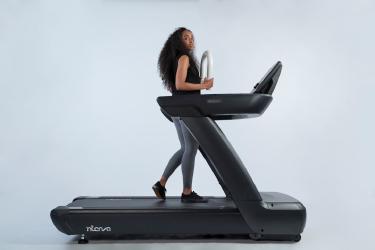
12-3-30 Treadmill Workout Burns More Fat Than Running

You’ve probably seen the 12-3-30 workout plastered across TikTok and Instagram. Someone walking on a treadmill, looking almost too relaxed to be exercising. And you might have wondered: does this actually work better than running?
The short answer - for fat burning specifically, yes. But there’s more to unpack here.
What Exactly Is the 12-3-30 Workout?
The formula is simple. Set your treadmill to a 12% incline, dial the speed to 3. 0 mph, and walk for 30 minutes. That’s it. Influencer Lauren Giraldo created this routine back in 2019, and it exploded during the pandemic when everyone was stuck at home with their treadmills.
But here’s what makes this interesting from a physiological standpoint: you’re targeting a specific heart rate zone that prioritizes fat as fuel.
Why Incline Walking Burns More Fat Than Running
Your body uses different fuel sources depending on exercise intensity. During low-to-moderate intensity exercise (roughly 60-70% of your max heart rate), your body primarily burns fat. Push harder into high-intensity territory, and you shift toward burning glycogen-stored carbohydrates in your muscles.
Running typically pushes you into that higher intensity zone. Your heart rate spikes - you’re gasping for air. Your body screams for quick energy, so it reaches for glycogen.
The 12-3-30 workout keeps you in the fat-burning zone. You’re working hard enough to challenge your cardiovascular system, but not so hard that you can’t maintain the effort. Most people find their heart rate sits between 120-145 bpm during this workout-right in that sweet spot.
The Numbers Back This Up
A 155-pound person burns approximately 335 calories during 30 minutes of moderate incline walking. Running at 5 mph for the same duration burns around 298 calories. The difference isn’t huge, but the fat-to-carbohydrate ratio tilts heavily toward fat during incline walking.
Studies on exercise intensity and substrate utilization consistently show that moderate-intensity exercise burns a higher percentage of calories from fat-sometimes 50-60% compared to 35-40% during vigorous exercise.
How to Start the 12-3-30 Workout Properly
Don’t just hop on the treadmill at full settings tomorrow morning. That’s a recipe for sore calves and a quick exit.
Step 1: Test Your Current Fitness Level
Start with a 5-minute walk at 3. 0 mph and 0% incline. Then bump the incline to 6%. How does that feel? If you’re breathing heavily but can still hold a conversation, you’re in a good zone. If you’re struggling, start there instead of jumping to 12%.
Step 2: Build Up Gradually Over Two Weeks
Week one: Try 8% incline for 15-20 minutes. Week two: Move to 10% incline for 25 minutes. By week three, you should be ready for the full 12-3-30 protocol.
This matters because your calves, Achilles tendons, and hip flexors need time to adapt to incline walking. Rush it, and you’ll end up sidelined with shin splints or calf strains.
Step 3: Focus on Your Form
Keep your torso upright. A common mistake is leaning forward and gripping the handrails. This reduces the workout’s effectiveness by about 20% because you’re essentially offloading your body weight onto the machine.
Swing your arms naturally. Engage your glutes by thinking about pushing through your heels. You should feel this workout in your hamstrings and glutes, not just your calves.
Step 4: Time It Right
The best time to do 12-3-30 for fat burning? Fasted in the morning. Your glycogen stores are partially depleted after sleeping, which forces your body to tap into fat stores earlier in the workout.
That said, exercising fasted doesn’t work for everyone. Some people feel dizzy or weak. If that’s you, have a small snack-half a banana or a handful of almonds-about 30 minutes before.
Common Mistakes That Kill Your Results
**Holding the handrails - ** Just don’t. If you need to hold on for balance, the incline is too steep for you right now. Drop it down.
**Going faster than 3 - 0 mph. ** The point isn’t to walk fast. It’s to maintain a steady pace on a steep incline. Speeding up shifts the exercise into a different intensity zone.
**Doing it every single day. ** Your muscles need recovery time. Three to four sessions per week is optimal. On off days, do lower-body strength training or take a complete rest day.
**Expecting overnight results - ** Fat loss takes time. You’ll likely notice improved endurance within two weeks. Visible fat loss typically becomes apparent around the six-week mark with consistent effort and reasonable nutrition.
Who Should Skip This Workout?
The 12-3-30 isn’t for everyone. If you have chronic knee problems, the steep incline can aggravate existing issues. People with lower back pain might also struggle because incline walking increases spinal compression.
Pregnant women in their third trimester should consult a doctor first-balance becomes tricky, and the cardiovascular demands may be inappropriate.
And if your goal is building speed or training for a race? You still need to run. The 12-3-30 is a fat-burning tool, not a running replacement.
How to Maximize Fat Burning Beyond the Treadmill
The workout is just one piece. What you eat matters enormously.
Protein intake should sit around 0. 7-1 gram per pound of body weight to preserve muscle mass while losing fat. Muscle is metabolically active tissue-it burns calories even at rest. Lose muscle, and your metabolism slows.
Sleep deprivation increases cortisol, which promotes fat storage around your midsection. Aim for 7-9 hours - seriously. This isn’t optional if fat loss is your goal.
Stress management helps too. Chronically elevated cortisol signals your body to hold onto fat as a survival mechanism. Meditation, walks outside, time with friends-whatever lowers your stress levels.
A Sample Weekly Schedule
Monday: 12-3-30 workout Tuesday: Lower body strength training (squats, lunges, deadlifts) Wednesday: Rest or light yoga Thursday: 12-3-30 workout Friday: Upper body strength training Saturday: 12-3-30 workout Sunday: Complete rest
This schedule gives you three incline walking sessions, two strength sessions, and adequate recovery. Adjust based on how your body responds.
The Bottom Line
The 12-3-30 workout works for fat burning because it keeps you in the optimal heart rate zone for using fat as fuel. It’s lower impact than running, easier on your joints, and sustainable long-term.
But it’s not magic. You still need to eat reasonably, sleep enough, and stay consistent. No workout overcomes a poor diet or chronic sleep deprivation.
Start gradually - perfect your form. Give it six weeks before judging results. And remember-the best exercise routine is one you’ll actually stick with. For many people, walking uphill beats pounding pavement any day.