Power Training Over 50: Build Fast-Twitch Muscle Safely
You’re not slowing down. Your muscles just forgot how to be explosive.
After 50, most people notice they can’t jump as high, sprint as fast, or react as quickly. That’s not inevitable aging-it’s fast-twitch muscle fiber atrophy. The good news - you can reverse it. Power training rebuilds those quick-response fibers, and when done right, it’s completely safe for older adults.
Why Fast-Twitch Fibers Disappear (And Why It Matters)
Your muscles contain two main fiber types. Slow-twitch fibers handle endurance activities-walking, light cycling, everyday movement. Fast-twitch fibers activate for explosive actions: catching yourself when you trip, climbing stairs quickly, or swinging a golf club.
Here’s the problem. After age 50, fast-twitch fibers shrink roughly 1-2% annually if you don’t challenge them. Slow-twitch fibers? They stick around because daily life uses them constantly. But nobody’s daily routine includes jumping or throwing.
The consequences extend beyond athletic performance. Falls become more dangerous when your muscles can’t react fast enough to catch your balance. Bone density decreases without the high-force stimulus that power movements provide. Even getting out of a chair becomes harder-that’s an explosive movement whether you realize it or not.
Step 1: Get Medical Clearance and Assess Your Starting Point
Before adding explosive training, get cleared by your doctor. This isn’t optional caution-it’s smart planning. Mention specifically that you want to do power training, not just “exercise.
Once cleared, honestly assess where you’re starting:
Basic tests you can do at home:
- Stand from a chair without using your hands. Can you do 5 in a row? - Balance on one foot for 30 seconds. Possible on both sides? - Walk heel-to-toe for 10 steps. Any wobbling?
If these feel challenging, spend 4-6 weeks on foundational strength training before adding power work. Rushing this stage causes injuries - i’ve seen it happen repeatedly.
Step 2: Build Your Foundation With Controlled Strength Training
Power requires a strength base. You can’t explode upward if your legs can’t handle your bodyweight smoothly first.
Foundational exercises to master:
Bodyweight squats - Work toward 15 controlled reps. Keep your weight in your heels, chest up, knees tracking over toes.
Wall push-ups, progressing to incline - Start with hands on a wall, eventually move to a countertop, then a sturdy chair.
Single-leg balance holds - 30 seconds each side without support. This builds the stability you’ll need for explosive single-leg movements.
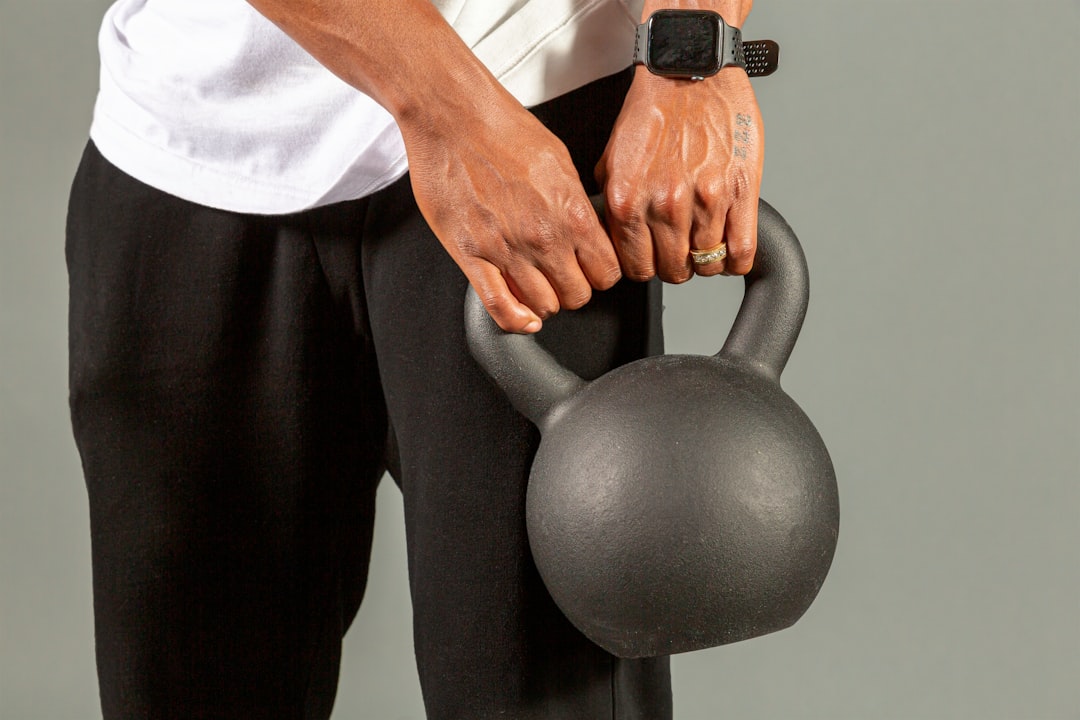
Farmer’s carries - Walk 40 steps holding weights at your sides. Start with 10-15 pounds per hand. This builds core stability and grip strength simultaneously.
Spend at least 4 weeks here. Maybe 8 weeks if you’ve been sedentary. Your tendons need time to adapt-they strengthen slower than muscles do.
Step 3: Introduce Power Training Progressively
Now the real work begins. Power training means moving weight (including your bodyweight) as fast as possible while maintaining control.
Week 1-2: Speed-Focused Movements
Start with speed, not height or distance.
Fast squats to standing - Lower slowly over 3 seconds, then stand as quickly as possible. Your feet stay planted - 3 sets of 8 reps.
Medicine ball chest passes - Use a 4-6 pound ball. Push it away from your chest into a wall as fast as you can. Catch and repeat - 3 sets of 10.
Quick step-ups - Find a 6-8 inch step. Step up fast, step down controlled. Alternate legs. 2 sets of 10 each leg.
Week 3-4: Add Jumping Variations
Once speed work feels comfortable, introduce low-impact jumps.
Box step-downs with quick floor touch - Stand on a 4-6 inch platform. Step one foot down, tap the floor quickly, return to the box. This teaches landing mechanics safely.
Countermovement jumps onto a low surface - Jump onto a padded step or low box (4-6 inches). Step down, don’t jump down - 2 sets of 6 reps.
Seated box jumps - Sit on a bench, then explosively stand and jump onto a low platform in front of you. Starting from seated removes the stretch reflex, forcing your muscles to generate pure power. 2 sets of 5.
Week 5+: Progress Based on Recovery
Increase height or weight only when the current level feels easy AND you’re recovering fully between sessions. Power training requires 48-72 hours recovery. More isn’t better here-quality matters far more than volume.
Step 4: Program Your Weekly Schedule
Power training belongs early in your workout when you’re fresh. Never do it fatigued.
Sample weekly structure:
- Monday: Power training (20 minutes), then upper body strength (20 minutes)
- Tuesday: Walking or light cardio, 30-45 minutes
- Wednesday: Power training (20 minutes), then lower body strength (20 minutes)
- Thursday: Rest or gentle yoga
- Friday: Full-body strength training, no power work
- Weekend: Active recovery-hiking, swimming, whatever you enjoy
Notice there are only two power sessions weekly. That’s intentional. Your nervous system needs significant recovery time to adapt to explosive training. Three sessions is the absolute maximum, and most people over 50 do better with two.
Step 5: Nail Your Recovery Strategy
Training creates the stimulus - recovery creates the adaptation. Skimp here and you’ll plateau fast-or worse, get hurt.
Sleep: Aim for 7-8 hours. Growth hormone releases primarily during deep sleep, and that hormone drives muscle repair. Poor sleep means poor recovery - no workaround exists.
Protein timing: Consume 25-40 grams of protein within 2 hours of training. Older adults need more protein per meal than younger people to trigger muscle protein synthesis. A common target: 1 - 0-1. 2 grams per pound of bodyweight daily, spread across 4 meals.
Active recovery: Light movement on rest days-walking, easy cycling, swimming-increases blood flow to muscles without creating additional stress.
Manage soreness intelligently: Some muscle soreness 24-48 hours after power training is normal. Sharp pain during exercise is not. Joint pain that lingers more than 48 hours signals you’ve progressed too fast.
Common Mistakes That Derail Progress
**Skipping the foundation phase. ** Tendons adapt 3-4 times slower than muscles. Rush into jumping before your connective tissue is ready, and injuries follow. Give yourself those first 4-8 weeks of strength work.
**Too much volume. ** Power training effectiveness drops rapidly with fatigue. Two sets of 6 quality jumps beats five sets of sloppy ones. When your speed noticeably slows, stop the exercise. You’re done for the day.
**Ignoring landing mechanics. ** Learning to absorb force matters as much as producing it. Land softly-your knees should bend, hips should hinge back, and the impact should feel quiet. Loud, jarring landings stress your joints unnecessarily.
**Training power when fatigued. ** Power work belongs at the start of workouts, when your nervous system is fresh. Doing box jumps after 45 minutes of cardio teaches your body to move slowly, not explosively.
What Results Look Like
Expect gradual improvements over 8-12 weeks:
- Chair rises become noticeably faster
- Stairs feel less taxing
- Balance reactions improve
- Athletic movements (golf swing, tennis serve, throwing with grandkids) gain speed
- Daily activities requiring quick movements feel easier
One study from the University of Connecticut found that adults over 60 who did power training twice weekly for 12 weeks improved their leg power by 34% on average. Those are meaningful, measurable gains.
Adjust Based on How You Feel
Power training intensity should match your recovery capacity on any given day. Some days you’ll feel sharp and explosive. Others, you’ll feel flat - that’s normal.
On low-energy days, reduce the height of jumps, use lighter medicine balls, or swap explosive movements for speed-focused versions of the same exercises. On high-energy days, you can push closer to your limits.
The goal isn’t maximum effort every session. Consistent, quality training over months produces better results than sporadic intense sessions followed by forced rest from overtraining.
Building fast-twitch fibers after 50 takes patience. But the payoff-moving through life with speed, power, and confidence-makes every training session worth it. Start with the foundation - progress systematically. Trust the process.