VR Fitness Games That Actually Burn Serious Calories
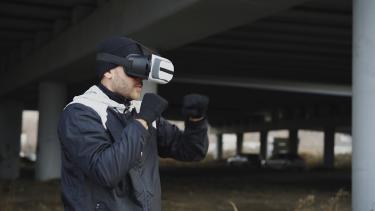
Your living room can become a high-intensity gym. No commute, no monthly fees, no awkward small talk at the water fountain. Just you, a VR headset, and games that trick your brain into forgetting you’re exercising while your body burns through calories like you’re training for a fight.
I’ve spent hundreds of hours sweating through virtual worlds, and here’s what actually works for serious calorie burn-not just gentle arm waving.
Why VR Fitness Works When Other Home Workouts Fail
Most home workout programs have a dropout rate north of 70% within the first month. The treadmill becomes a clothes hanger. The yoga mat collects dust. But VR fitness sticks for a simple reason: you’re not exercising. You’re playing.
Your brain processes the experience as entertainment while your muscles do real work. Research from the Virtual Reality Institute of Health and Exercise found that high-intensity VR games can burn 8-15 calories per minute. That’s comparable to rowing or cycling at moderate intensity.
The key difference - time perception warps. A 30-minute session feels like 10. You’ll look at your watch convinced you just started, drenched in sweat.
Top VR Games Ranked by Calorie Burn
Beat Saber: The Gateway Drug
Calorie burn: 6-10 per minute (depending on difficulty and movement style)
Beat Saber gets recommended constantly, and for good reason. Slicing through blocks with light sabers while dodging obstacles creates constant upper body movement.
- Play on Expert or Expert+ difficulty. Normal mode doesn’t push your heart rate high enough. 2. Add the “no fail” modifier if needed, but keep attempting harder songs. 3 - move your whole body. Duck low on obstacles, don’t just tilt your head. 4. Enable “one saber” mode occasionally to force asymmetric movements.
The custom song community has created tracks that will destroy you. Search for “workout” or “fitness” playlists on BeastSaber for selected high-intensity options.
Thrill of the Fight: Boxing Without the Brain Damage
Calorie burn: 10-15 per minute
This one hurts - in a good way.
Thrill of the Fight simulates boxing matches against AI opponents with surprisingly realistic physics. You can’t flail wildly-the game tracks punch accuracy, timing, and power. Poor form means you’ll lose rounds.
Why it burns so many calories:
- Punching requires full-body engagement (legs, core, shoulders, arms)
- Constant defensive movement and head positioning
- Adrenaline response from combat simulation spikes heart rate
- Matches last 3-4 minutes of continuous high-intensity movement
Start with the easiest opponent (Duke) on settings that match your fitness level. Even experienced athletes gas out within two rounds initially. Your shoulders will hate you tomorrow. That’s how you know it’s working.
Supernatural: The Subscription That Might Be Worth It
Calorie burn: 8-12 per minute
Supernatural costs $19/month after a free trial, which feels steep for a VR game. But it’s designed specifically as a fitness app, not a game retrofitted for exercise.
Daily workouts arrive with new music and environments. Coaches guide you through sessions. The production quality exceeds everything else on this list. You’re swinging bats at targets, squatting under bars, and lunging side to side in gorgeous virtual landscapes.
The subscription model creates accountability. You’re paying for it-might as well use it. For people who need external structure, this matters more than the workout quality itself.
Try the free trial for a full month before committing. Some people find the guided experience motivating. Others find it patronizing. Know which camp you’re in before subscribing.
Pistol Whip: Rhythm Shooter Meets Leg Day
Calorie burn: 7-10 per minute
Pistol Whip forces you to shoot enemies while physically dodging incoming bullets. The rhythm-game backbone keeps you moving to the beat, but the constant squatting and side-to-side movement torches your quads and glutes.
Most people play this wrong. They stand still and just aim.
- Squat low to duck under bullets instead of slightly bending. 2. Take full steps side to side, not just leans. 3. Keep your non-gun hand up in a guard position for added engagement. 4. Turn on “dual wield” mode for upper body balance.
The game’s style and soundtrack make it feel effortless until you check your step count. I’ve logged 2,000+ steps in a 20-minute session without taking my feet off a 3x3 mat.
Building an Effective VR Fitness Routine
Playing randomly whenever you feel like it won’t produce results. Structure matters.
Monday: High Intensity (45 minutes)
- 15 min Beat Saber Expert+ for warm-up
- 25 min Thrill of the Fight
- 5 min cool-down stretching (outside VR)
Tuesday: Active Recovery (30 minutes)
- Pistol Whip on moderate difficulty
- Focus on movement quality over intensity
Wednesday: High Intensity (45 minutes)
- Full Supernatural workout or
- 20 min Beat Saber + 20 min any boxing game
Thursday: Rest or Light Play
- Social VR games that involve walking
- Or complete rest
Friday: Endurance (60 minutes)
- Extended Beat Saber session
- Multiple boxing matches with short rests
Weekend: Flex Days
- Explore new games
- Longer sessions if time permits
- Or rest if your body needs it
Track your sessions with apps like YUR or OVRHealth. These overlay calorie and heart rate data into your VR experience. Seeing real numbers creates accountability and helps identify which games actually challenge you.
Common Mistakes That Sabotage Results
**Playing too easy. ** VR fitness only works at appropriate intensity. If you’re not sweating within 10 minutes, increase the difficulty or switch games.
**Ignoring form. ** Bad movement patterns create injuries over time. Keep your core engaged, maintain proper squat depth, and punch from your hips rather than just your shoulders.
**Skipping lower body. ** Most VR games emphasize arms. Consciously add squats, lunges, and lateral movements even when the game doesn’t require them.
**Dehydration. ** Headsets trap heat around your face. You’re sweating more than you realize. Keep water within arm’s reach and take the headset off for drink breaks every 15-20 minutes.
**No rest days. ** Enthusiasm runs high when you first discover VR fitness. But muscle recovery requires rest. Overtraining leads to burnout and injury.
Equipment Upgrades Worth Considering
The stock Quest 2 or Quest 3 headset works fine for beginners. Once you’re committed to regular VR workouts, these accessories improve the experience:
- Silicone face cover: Absorbs sweat and cleans easily. The stock foam interface gets disgusting fast. - Elite strap with battery: Balances weight better, extends playtime, stays secure during intense movement. - VR cover workout set: Includes moisture-wicking materials designed for exercise. - Knuckle straps for controllers: Lets you release grip without dropping controllers during boxing games.
Skip the treadmill attachments and elaborate setups. They’re expensive, require significant space, and add complexity that discourages regular use.
Getting Started Today
Pick one game from this list. Just one. Download it now, schedule a 20-minute session for tomorrow, and do it. Don’t buy five games and create elaborate spreadsheets. Action beats planning.
Beat Saber is the safest choice if you’re unsure. Low barrier to entry, immediately fun, scalable difficulty as you improve. You can branch into boxing or subscription services after establishing the habit.
The hardest part of any fitness routine is showing up consistently. VR removes most friction points: no travel, no weather excuses, no judgment from others. Your workout is ten seconds away, waiting in the headset on your desk.
Now put down your phone and go move.