Freeze-Dried Fruit Snacks: Nutrition Without the Sugar Crash
You grab a bag of dried mango slices from the convenience store, check the label, and wince. Thirty grams of sugar per serving. For a “healthy” snack.
Freeze-dried fruit offers something different. Same fruit taste, fraction of the sugar impact, and nutrients that survive the preservation process largely intact. But not all freeze-dried options deliver equal results. Here’s how to choose, use, and actually benefit from this increasingly popular snack category.
What Makes Freeze-Drying Different from Regular Drying
Traditional dehydration uses heat. That heat degrades vitamin C, damages B vitamins, and concentrates sugars as moisture leaves. The result tastes sweet because you’re essentially eating condensed fruit with less nutritional punch.
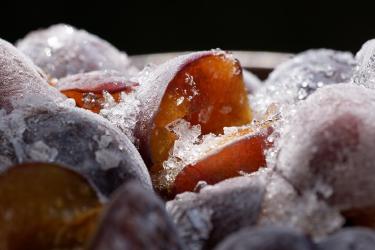
Freeze-drying works backward. Fruit gets flash-frozen to around -40°F, then placed in a vacuum chamber where the ice transforms directly into vapor-a process called sublimation. No liquid phase means no heat damage. The cellular structure stays mostly intact.
Research from the University of Leeds found freeze-dried strawberries retained 92% of their original vitamin C content. Conventionally dried strawberries - around 20%.
That structural preservation matters for your blood sugar too. Freeze-dried fruit keeps its fiber matrix largely undamaged. When you eat it, that fiber slows glucose absorption compared to fruit leather or dried fruit that’s been essentially pre-digested by heat processing.
Picking Quality Products: What the Label Should Tell You
Not every freeze-dried fruit bag deserves space in your gym bag. Some manufacturers add sugar, oils, or preservatives that defeat the purpose entirely.
Check the ingredients list first - it should read: fruit. Maybe citric acid for preservation - that’s it.
Avoid products listing:
- Added sugars (cane sugar, fruit juice concentrate, honey)
- Vegetable oils (often palm or sunflower)
- Sulfur dioxide or sulfites
- “Natural flavors” without specification
One thing that trips people up: freeze-dried fruit will show high sugar per weight on nutrition labels. A 28-gram serving of freeze-dried strawberries contains about 5 grams of sugar. Fresh strawberries have roughly 4 grams per 100 grams. The freeze-dried version looks worse because you removed 90% of the weight (water) while keeping the sugar.
But you won’t eat as much. That airy, crunchy texture satisfies faster than fresh fruit’s density. Most people find 15-20 grams of freeze-dried fruit fills the snacking urge that would take 80-100 grams of fresh.
Best Fruits for Fitness Goals
Different training demands call for different fruit choices.
For pre-workout energy (30-60 minutes before training): Bananas and mangoes offer quick-digesting carbs without fiber overload. About 20 grams provides 15-18 grams of carbohydrates-enough to fuel a moderate session without stomach heaviness.
For post-workout recovery: Tart cherries deserve special attention here. Studies from Oregon Health & Science University showed tart cherry consumption reduced muscle soreness markers by 20% in marathon runners. Freeze-dried versions concentrate the anthocyanins responsible for this effect. Mix 15 grams into Greek yogurt within 45 minutes of finishing.
For between-meal hunger: Apples and pears keep you fuller longer thanks to pectin fiber that survives freeze-drying well. The crunch factor helps too-your brain registers eating more thoroughly when there’s texture to process.
For travel or competition days: Blueberries pack maximum antioxidants per gram. They’re also small enough to eat discreetly during long events. Ultra-runners and cyclists have used freeze-dried berries as race nutrition for years because they don’t turn to mush in jersey pockets.
How to Actually Use Freeze-Dried Fruit Daily
Owning freeze-dried fruit and benefiting from it are different things. Here’s a practical integration approach.
**Step 1: Replace one processed snack per day. ** That mid-afternoon granola bar or cookie? Swap it for a small handful (about 15 grams) of freeze-dried fruit. Don’t overthink portion control initially. The volume-to-calorie ratio makes overeating difficult anyway.
**Step 2: Pair with protein or fat for sustained energy. ** Freeze-dried fruit alone still causes some blood sugar rise. Combine it with nuts, cheese, or jerky to blunt the glycemic response. A simple trail mix: freeze-dried raspberries, raw almonds, and dark chocolate chips in a 1:2:0. 5 ratio by weight.
**Step 3: Use as a topping instead of dried fruit in recipes. ** Oatmeal, yogurt bowls, salads-anywhere you’d add raisins or craisins, freeze-dried fruit works better. You get brighter flavor, better texture contrast, and more nutrients per gram.
**Step 4: Rehydrate strategically. ** For smoothies or baking, you can rehydrate freeze-dried fruit in water for 5-10 minutes. The result tastes closer to fresh than any other preserved form. This works especially well with berries that turn to mush when fresh-frozen and thawed.
Storage and Shelf Life Considerations
Freeze-dried fruit’s enemy is moisture. Those porous, airy structures absorb humidity fast, turning crispy snacks into chewy disappointments within hours of exposure.
Once you open a bag:
- Transfer unused portions to an airtight container
- Add a silica packet if you live somewhere humid
- Store away from heat sources
- Consume within 2-3 weeks for best texture
Unopened bags last 25+ years when stored properly-manufacturers use oxygen absorbers and moisture-proof packaging. But realistic home storage in a pantry? Expect 12-18 months of peak quality.
Here’s a trick for gym bags: portion freeze-dried fruit into small containers with tight-sealing lids the night before. Don’t open until you’re ready to eat. This prevents the gradual moisture absorption that happens when bags get opened and closed repeatedly.
The Cost Reality
Freeze-dried fruit costs more than fresh or conventionally dried options. No getting around it. A 1-ounce bag of freeze-dried strawberries runs $4-6, while fresh strawberries cost maybe $4 per pound.
But consider the actual comparison. That 1-ounce bag equals roughly 8 ounces of fresh fruit by dry weight content. Buying fresh means dealing with spoilage-the average American household throws away 25% of produce purchased. Freeze-dried stays good indefinitely.
Buying strategies that help:
- Purchase larger bags (8-10 oz) rather than single servings
- Look for bulk bins at health food stores
- Buy directly from brands rather than through Amazon markups
- Watch for sales at Costco and Trader Joe’s
Some people freeze-dry at home using dedicated machines. Units cost $300-500 for entry-level models. If you eat enough freeze-dried fruit, the math works out within a year.
When Freeze-Dried Fruit Isn’t the Answer
This snack category isn’t magic. Some situations call for different choices.
If you’re trying to maximize satiety per calorie, whole fresh fruit wins. Water weight and chewing time both contribute to fullness signaling that freeze-dried versions partially lose.
If you need rapid glucose for acute hypoglycemia or mid-race fuel, regular dried fruit or glucose tabs work faster. The intact fiber matrix that makes freeze-dried fruit gentler on blood sugar also slows emergency absorption.
If budget matters more than convenience, frozen fruit offers nearly identical nutrition at a fraction of the price. You lose portability but gain cost efficiency.
And if you simply prefer fresh fruit’s juiciness? Eat fresh fruit. Nutritional optimization means nothing if you won’t actually do it consistently.
Making the Switch Stick
Start with fruits you already enjoy. Freeze-dried versions amplify rather than mask original flavors. If you hate fresh raspberries, the freeze-dried version won’t convert you.
Keep a bag visible. Snacking decisions often come down to what’s within arm’s reach. Put freeze-dried fruit where you’d normally grab chips or crackers.
Track how you feel. Many people report more stable energy through afternoons after switching from sugar-added snacks to freeze-dried fruit. That subjective improvement motivates continuation better than any nutrition facts.
The goal isn’t perfection. It’s finding portable, genuinely nutritious options that fit real life. Freeze-dried fruit checks enough boxes for enough situations that it deserves a spot in your rotation-even if it doesn’t replace everything else.