Ultra-Processed Foods Sabotage Your Gains: What to Avoid
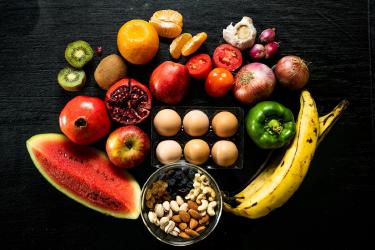
You’ve been putting in the work at the gym. The early mornings, the progressive overload, the soreness that makes sitting down feel like an achievement. But but-your nutrition might be undoing all that effort.
Ultra-processed foods are more than “not ideal. " They actively work against muscle building. And they’re sneakier than you think.
What Actually Counts as Ultra-Processed?
Forget the vague “junk food” label. Ultra-processed foods undergo industrial processing that strips nutrients and adds synthetic ingredients your body doesn’t recognize as real food.
Think beyond the obvious chips and candy. We’re talking:
- Protein bars with 30+ ingredients
- Flavored yogurts loaded with modified starches
- “Whole grain” breads with high-fructose corn syrup
- Pre-made smoothies with stabilizers and emulsifiers
- Most plant-based meat alternatives
The NOVA food classification system (used by researchers worldwide) defines these as “formulations mostly of cheap industrial sources of dietary energy and nutrients plus additives. " Not exactly the foundation you want for building muscle.
Why These Foods Sabotage Your Gains
1. They Trigger Inflammation That Blocks Recovery
Muscle grows during recovery, not during your workout. Ultra-processed foods contain industrial seed oils, refined sugars, and artificial additives that spike inflammation markers.
A 2019 study in Cell Metabolism found participants eating ultra-processed diets gained fat and lost lean mass compared to those eating whole foods-even when calories and macros were matched. Same protein - same calories. Different outcomes.
Your body stays in a low-grade inflammatory state that diverts resources from muscle protein synthesis to damage control.
2. They Mess With Hormones You Need
Testosterone and growth hormone don’t just happen. They require specific micronutrients, stable blood sugar, and minimal endocrine disruptors.
Ultra-processed foods deliver:
- Blood sugar spikes followed by crashes
- Phthalates from plastic packaging
- BPA from can linings
- Artificial sweeteners that alter gut bacteria
That protein shake from a plastic bottle sitting in a hot warehouse? The container has been leaching chemicals into your “clean” nutrition.
3. They Create Nutrient Gaps Despite High Calories
You can hit 180 grams of protein daily and still be malnourished. Ultra-processed proteins lack the co-factors-zinc, magnesium, B vitamins-that whole foods naturally provide.
Chicken breast comes with B6, niacin, and selenium. A processed protein patty comes with methylcellulose and caramel color.
Your muscles don’t just need amino acids. They need the full package.
The Worst Offenders to Eliminate
Breakfast Cereals (Yes, Even “High Protein” Ones)
That box bragging about 15 grams of protein per serving? Check the label. You’ll find hydrolyzed proteins, maltodextrin, and enough added sugar to spike your insulin before 8 AM.
Do this instead: Eggs and oatmeal take 10 minutes. Cook extra eggs on Sunday for grab-and-go breakfasts.
Commercial Protein Bars
Most contain sugar alcohols that wreck your gut, soy protein isolates processed with hexane, and enough preservatives to survive a nuclear winter.
Do this instead: Make your own with oats, nut butter, whey, and honey. Or just eat actual food. A container of Greek yogurt with nuts works better.
Pre-Made Sauces and Dressings
That teriyaki sauce has more high-fructose corn syrup than actual soy. Salad dressings use soybean oil as their primary ingredient-a cheap industrial oil that promotes inflammation.
Do this instead: Olive oil, lemon, salt, garlic. Takes 30 seconds. Or buy dressings with olive oil listed first and no seed oils.
Deli Meats and Hot Dogs
Processed meats contain nitrates, phosphates, and sodium levels that would make a cardiologist faint. They’re also linked to increased cancer risk-the WHO classifies them as Group 1 carcinogens.
Do this instead: Roast a chicken or beef on Sunday. Slice it yourself - tastes better anyway.
Mass Gainer Supplements
These are essentially maltodextrin (a processed starch that spikes blood sugar faster than table sugar) mixed with low-quality protein concentrate. You’re paying for ingredients that cost pennies per serving.
Do this instead: Blend whole milk, oats, banana, and whey. More nutrients, cheaper, and no mystery ingredients.
How to Read Labels Like a Pro
Flip the package over - ignore the front-that’s marketing. The back tells the truth.
Step 1: Count the ingredients - more than 10? Be suspicious - more than 20? Put it back.
Step 2: Look for ingredients you can’t pronounce or wouldn’t find in a kitchen. Carrageenan, maltodextrin, modified food starch-these are red flags.
Step 3: Check where protein actually comes from. “Protein blend” often means the cheapest sources mixed together.
Step 4: Identify the fats. Soybean oil, canola oil, palm oil = processed seed oils. Olive oil, butter, coconut oil = whole food fats.
Step 5: Find hidden sugars. Anything ending in -ose (maltose, dextrose, fructose) is sugar. So is “evaporated cane juice” and brown rice syrup.
Building a Clean Eating System That Sticks
Perfection isn’t the goal - consistency is.
Start With the 80/20 Rule
Make 80% of your calories come from single-ingredient foods. Meat, fish, eggs, vegetables, rice, potatoes, fruit, nuts. The other 20% - do what you want. A social life matters too.
Prep Proteins on Sundays
Roast two chickens. Cook a batch of ground beef. Grill fish. Store in glass containers (not plastic-remember those endocrine disruptors). Now you have protein ready for the week.
Keep Emergency Foods Available
Hunger plus no options equals convenience store protein bars. Stock these instead:
- Canned wild salmon (check for BPA-free cans)
- Grass-fed beef sticks (read labels-most have junk)
- Hard-boiled eggs
- Mixed nuts (raw, unsalted)
- Full-fat cottage cheese
Make Swaps Gradually
Don’t overhaul everything at once. Swap one processed item per week:
- Week 1: Commercial bread → sourdough from a bakery
- Week 2: Flavored yogurt → plain Greek yogurt with berries
- Week 3: Protein bars → homemade trail mix
- Week 4: Bottled dressings → olive oil and vinegar
By month two, your diet looks completely different. But it didn’t feel like a diet.
When “Clean” Foods Aren’t Actually Clean
Here’s where it gets tricky. Marketing has made everything sound healthy.
Plant-based proteins: Most contain methylcellulose (a laxative used as a binding agent), isolated pea protein processed with chemicals, and inflammatory seed oils. The Impossible Burger has 21 ingredients.
“Organic” processed foods: Organic cookies are still cookies. Organic mac and cheese still contains modified food starch. The organic label doesn’t mean whole food.
“Natural” anything: This word is legally meaningless. High-fructose corn syrup is technically natural. So is arsenic.
High-protein processed foods: Protein-fortified pasta, protein chips, protein ice cream. Adding whey to junk doesn’t make it not junk.
The Honest Truth About Supplements
Most supplements are ultra-processed by definition. That doesn’t make them all bad-some serve a purpose.
Worth considering:
- Whey protein isolate from grass-fed sources (check for minimal ingredients)
- Creatine monohydrate (pure, single ingredient)
- Vitamin D3 if you’re deficient
Skip entirely:
- Pre-workouts with 40 ingredients
- Fat burners with proprietary blends
- Testosterone boosters that don’t work
- Mass gainers that are mostly maltodextrin
Real food should cover most of your nutritional needs. Supplements fill gaps - they don’t replace meals.
Your Next Step
open your kitchen right now. Pick up three items you eat regularly. Read the labels using the method above.
Be honest about what you find.
Then make one swap this week. Just one - build momentum from there. Your gains-and your body-will thank you for eating like you actually care about what happens after the gym.