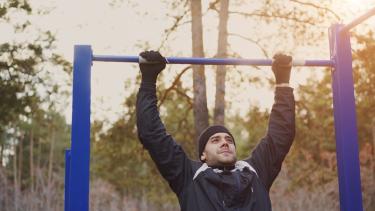
Jiu-Jitsu for Fitness: Full-Body Workout and Self-Defense
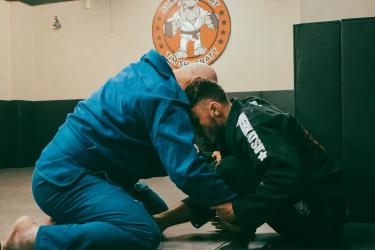
You’ve probably seen UFC fighters tangled up on the ground, limbs twisted in ways that look more like pretzels than combat. That’s jiu-jitsu-and it’s one of the most effective full-body workouts you can do while also learning practical self-defense skills.
Unlike running on a treadmill or lifting weights in isolation, jiu-jitsu forces every muscle group to work together. You’ll develop functional strength, cardiovascular endurance, and flexibility without ever touching a gym machine. Plus, there’s the added benefit of knowing how to protect yourself if things ever get real.
What Makes Jiu-Jitsu Different from Other Workouts
Most fitness routines target specific muscle groups in predictable patterns. Bicep curls work your biceps - squats hit your legs. Jiu-jitsu doesn’t care about isolation.
During a typical sparring session (called “rolling”), you might use your legs to control an opponent’s hips while simultaneously engaging your core to create rotation. Your arms to establish grips. This happens in real-time, with a resisting partner who’s trying to do the same thing to you.
The result? A workout that burns between 400-700 calories per hour depending on intensity. Your heart rate fluctuates between steady-state cardio during positional battles and anaerobic bursts during scrambles. Research from the Journal of Strength and Conditioning shows grappling-based martial arts improve both aerobic capacity and muscular endurance more effectively than traditional gym routines.
Getting Started: Your First Month on the Mats
Step 1: Find the Right Gym
Not all jiu-jitsu academies are created equal. Visit at least three schools before committing. Watch a class. Notice how instructors treat beginners-do they pair new students with patient training partners, or throw them to the wolves?
Look for gyms that offer fundamentals programs. These classes move slower, focus on basic positions, and give you time to build a foundation before live sparring.
Red flags to avoid:
- Instructors who never roll with students
- No structured curriculum for beginners
- Aggressive culture where injuries are worn like badges
- Contracts requiring 12+ month commitments upfront
Step 2: Survive Your First Class
Here’s the honest truth: your first class will be humbling. You’ll get tangled up, confused about which limb goes where, and probably exhausted within 15 minutes.
That’s normal - everyone started there.
Show up with a positive attitude and these basics:
- Wear fitted athletic clothing (no zippers or pockets)
- Trim your fingernails and toenails
- Bring water and a small towel
- Arrive 15 minutes early to introduce yourself
During class, focus on one thing at a time. When the instructor demonstrates a technique, pick one detail to remember. Don’t try to absorb everything-your brain will overload.
Step 3: Establish a Sustainable Training Schedule
Beginners should train 2-3 times per week. More than that leads to burnout or injury before your body adapts.
Here’s why this matters: jiu-jitsu stresses your body in unfamiliar ways. Neck muscles you didn’t know existed will ache. Your fingers will be sore from gripping. Give yourself recovery time.
After 2-3 months, gradually increase to 3-4 sessions weekly if your body responds well.
The Fitness Benefits Breaking Down by Body Part
Core Strength
Forget crunches. Jiu-jitsu develops core strength through constant rotation, hip escapes, and maintaining posture while someone tries to collapse you. The guard position alone-using your legs and hips to control an opponent from your back-creates incredible abdominal development.
Grip Strength and Forearms
Controlling sleeves, collars, and wrists builds grip strength that transfers to deadlifts, rock climbing, and daily functional tasks. Many practitioners develop forearms that look like they were sculpted specifically for that purpose.
Hip Mobility and Flexibility
Tight hips are the enemy of good jiu-jitsu. Training naturally increases your range of motion through movements like guard retention, triangles, and sweeps. You’ll notice improved flexibility within weeks without dedicated stretching sessions.
Posterior Chain
Bridging to escape mount, hip escapes, and wrestling-up from bottom positions hammer your glutes, hamstrings, and lower back. This posterior chain development improves posture and reduces lower back pain for desk workers.
Self-Defense: Practical Skills You’ll Actually Use
Most street altercations end up on the ground within seconds. Jiu-jitsu prepares you for exactly that scenario.
You’ll learn to:
- Control an attacker without throwing punches
- Escape from common holds and grabs
- Neutralize size and strength advantages through technique
- Create distance to safely disengage
The beauty of jiu-jitsu for self-defense is that you train against fully resisting opponents regularly. You know what works because you’ve tested it against someone actually trying to stop you-not a compliant partner running through choreographed motions.
Structuring Your Training for Maximum Fitness Gains
Warm-Up Protocol (10-15 minutes)
Most gyms include warm-ups, but if yours doesn’t, add these movements:
- Hip circles and leg swings
- Technical stand-ups (10 each side)
- Shrimping across the mat (3 lengths)
- Forward and backward rolls
- Light jogging or jumping jacks
Technical Drilling (20-30 minutes)
This is where you’ll practice specific techniques with a cooperative partner. Focus on smooth movement rather than speed. Rep counts matter less than quality.
Live Sparring (20-40 minutes)
Rolling is where fitness gains compound. Start with 5-minute rounds and work toward longer sessions as conditioning improves.
Beginner tip: Don’t go 100% intensity every round. Experienced practitioners pace themselves, using technique over athleticism. Copy that approach.
Cool-Down and Mobility (5-10 minutes)
Stretch hip flexors, hamstrings, and shoulders. Jiu-jitsu tightens these areas quickly. Five minutes post-training prevents long-term mobility issues.
Nutrition Considerations for Grapplers
Jiu-jitsu burns significant calories, but recovery demands proper fueling.
Pre-training meals should be consumed 2-3 hours before class. Focus on complex carbohydrates and moderate protein-oatmeal with fruit, rice with chicken, or a turkey sandwich work well. Avoid heavy fats that slow digestion.
Post-training, consume protein within 45 minutes to support muscle recovery. A shake works, but real food is fine too.
Hydration matters more than you’d expect. You’ll sweat heavily during training, so drink water throughout the day-not just before and after class.
Common Mistakes That Stall Progress
**Using strength instead of technique. ** Muscling through positions works against smaller or weaker partners but fails against skilled opponents. Focus on proper mechanics from day one.
**Skipping fundamentals for flashy submissions. ** That flying armbar looks cool on Instagram. But the basic cross-collar choke you drilled 500 times will actually work when pressure mounts.
**Ignoring recovery. ** Two-a-day training sessions don’t make you better-they make you injured. Sleep matters - rest days matter.
**Ego rolling. ** Tapping to submissions isn’t losing. It’s learning. The stubborn white belt who refuses to tap gets injured. The humble one who treats every roll as education improves fastest.
What to Expect After Three Months
By the 90-day mark, you’ll notice measurable changes:
- Improved cardiovascular endurance during daily activities
- Visible muscle development in forearms, shoulders, and core
- Greater hip mobility and overall flexibility
- Basic defensive skills against common attacks
- Familiarity with 3-5 fundamental techniques
You won’t be submitting experienced practitioners yet. That takes time. But you’ll start recognizing positions, defending intelligently, and occasionally catching fellow beginners.
The mental benefits show up too-reduced stress, improved sleep, and the confidence that comes from facing difficult physical challenges regularly.
Making the Commitment
Jiu-jitsu isn’t a 30-day fitness fad. People who train for years still discover new details in techniques they’ve drilled thousands of times. That endless depth is what keeps practitioners coming back.
Start with a fundamentals program at a reputable gym. Train consistently 2-3 times weekly - be patient with progress. Your body will transform, your mind will sharpen, and you’ll develop practical skills that actually work when it counts.
The hardest part? Walking through the door that first time. Everything after gets easier.