The MIND Diet Protects Your Brain While Fueling Workouts
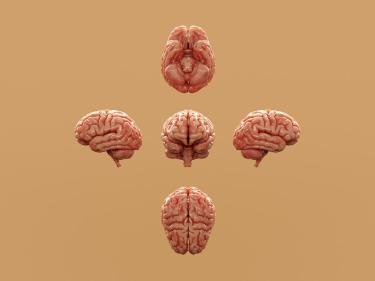
Your brain burns through about 20% of your daily calories. That’s a lot of fuel for an organ that weighs roughly three pounds. Now imagine combining that cognitive demand with regular workouts. Your nutritional choices suddenly matter twice as much.
The MIND diet was designed specifically to protect brain function as you age. But here’s what most fitness articles miss: this eating pattern also happens to support exercise performance remarkably well. The same nutrients that keep your neurons firing efficiently also help your muscles recover and your energy stay consistent.
What the MIND Diet Actually Looks Like
MIND stands for Mediterranean-DASH Intervention for Neurodegenerative Delay. Researchers at Rush University created it by combining elements from two well-studied eating patterns. They specifically selected foods with the strongest evidence for brain protection.
The framework emphasizes ten brain-healthy food groups:
- Leafy greens - at least six servings per week
- Other vegetables - at least one serving daily
- Berries - at least two servings per week
- Nuts - five servings per week
- Olive oil - your primary cooking fat
- Whole grains - three servings daily
- Fish - once per week minimum
- Beans - every other day
- Poultry - twice per week
Five food groups get limited: red meat, butter and margarine, cheese, pastries and sweets, fried or fast food. You don’t eliminate them entirely - you just keep them occasional.
A 2015 study following 923 participants found that strict MIND diet adherence reduced Alzheimer’s risk by 53%. Even moderate adherence dropped risk by 35%. Those numbers caught the medical community’s attention.
Step 1: Build Every Meal Around Leafy Greens
Start here because it’s the most impactful change you can make. Leafy greens deliver folate, vitamin K, lutein, and beta-carotene. These nutrients directly support cognitive function and reduce brain inflammation.
For fitness purposes, greens also provide nitrates that convert to nitric oxide in your body. This improves blood flow during exercise. Your muscles get more oxygen - your endurance improves.
Practical approach:
- Add two cups of spinach to your morning smoothie (you won’t taste it)
- Make salads your default lunch base
- Sauté kale or Swiss chard as a dinner side
- Keep pre-washed arugula in your fridge for quick additions
Romaine, spinach, kale, collards, and arugula all count. Iceberg lettuce doesn’t offer much nutritionally, so swap it out when possible.
Why this matters for workouts: The vitamin K in leafy greens supports bone health and helps with muscle contraction. After intense training sessions, the anti-inflammatory compounds assist recovery. You’re essentially eating your post-workout supplement.
Step 2: Time Your Berries Around Training
Blueberries get the most research attention for brain health. The anthocyanins that create their deep color cross the blood-brain barrier and accumulate in regions responsible for learning and memory.
But berries also reduce exercise-induced oxidative stress. A study in the Journal of the International Society of Sports Nutrition found that blueberry consumption before exercise decreased markers of muscle damage.
How to incorporate berries effectively:
- Eat a cup of mixed berries 1-2 hours before intense workouts
- Add frozen berries to post-workout shakes
- Keep dried berries (unsweetened) in your gym bag for emergencies
- Top your morning oatmeal with fresh strawberries or raspberries
Frozen berries work just as well as fresh. Sometimes better, since they’re flash-frozen at peak ripeness. They’re also cheaper.
Troubleshooting tip: If berries upset your stomach before workouts, consume them the night before instead. You’ll still get the anti-inflammatory benefits.
Step 3: Use Olive Oil Strategically
The MIND diet specifies olive oil as your primary fat source. Extra virgin olive oil contains oleocanthal, a compound with anti-inflammatory effects similar to ibuprofen. Without the side effects.
For active people, this matters. Chronic inflammation interferes with muscle protein synthesis. It delays recovery. It makes you feel run down between sessions.
Application methods:
- Drizzle 1-2 tablespoons on salads and cooked vegetables
- Use it for low-to-medium heat cooking
- Make your own salad dressings to control quality
- Add a tablespoon to smoothies for sustained energy
Avoid cooking olive oil at high temperatures. It has a lower smoke point than avocado or coconut oil. Save it for finishing dishes or gentle sautéing.
Why athletes should care: The monounsaturated fats in olive oil help your body absorb fat-soluble vitamins from vegetables. Eating a salad without fat actually limits nutrient absorption. The oil makes the whole meal work better.
Step 4: Structure Your Protein Around Fish and Poultry
The MIND diet includes fish at least once weekly and poultry twice weekly. This differs from standard fitness nutrition advice that often emphasizes daily meat consumption.
Fatty fish like salmon, mackerel, and sardines provide omega-3 fatty acids. These fats reduce brain inflammation and support the integrity of neuronal membranes. They also decrease delayed-onset muscle soreness after eccentric exercise.
Weekly meal structure:
- Monday: Grilled chicken breast over salad
- Wednesday: Baked salmon with roasted vegetables
- Friday: Turkey stir-fry with leafy greens
- Other days: Beans, eggs, or plant proteins
This approach provides adequate protein for muscle maintenance without excessive saturated fat. Red meat appears occasionally, not daily.
Adjustment for heavy training: If you’re training intensely and need more protein, increase portions of fish and poultry rather than adding red meat. Or supplement with eggs and legumes.
Step 5: Make Nuts Your Default Snack
The MIND diet recommends nuts five times per week. Walnuts get special attention because they contain ALA, a plant-based omega-3 fatty acid. But almonds, pistachios, and cashews all offer brain benefits.
For exercise, nuts provide sustained energy without blood sugar spikes. The combination of protein, fat, and fiber digests slowly. You won’t crash mid-workout.
Snacking protocol:
- Keep a container of mixed nuts at your desk
- Pair nuts with an apple for pre-workout fuel
- Add crushed walnuts to your morning oatmeal
- Blend cashews into smoothies for creaminess
Watch portion sizes. A serving is about one ounce or a small handful. Nuts are calorie-dense. Eating them mindlessly adds up fast.
Common Obstacles and Solutions
“I don’t like fish. “ Start with mild varieties like cod or tilapia. Work up to salmon. Or try canned sardines on crackers with mustard. The strong flavors disguise the fishiness.
“Leafy greens spoil too fast. “ Buy pre-washed containers and use them within four days. Frozen spinach works great in smoothies and cooked dishes. It lasts months.
“This seems expensive. “ Focus on frozen vegetables and berries. Buy nuts in bulk. Use canned beans instead of dried (they’re still nutritious). Olive oil costs more upfront but lasts weeks.
“I need more protein for muscle gain. “ The MIND diet doesn’t restrict protein quantities, just sources. Eat larger portions of fish, poultry, beans, and eggs. Add Greek yogurt. You can hit high protein targets without daily red meat.
Putting It All Together for Training Days
Here’s what a high-training-volume day might look like:
Breakfast: Oatmeal with walnuts, blueberries, and a drizzle of olive oil (yes, really-it works)
Pre-workout snack: Apple with almond butter
Post-workout: Smoothie with spinach, frozen berries, protein powder, and cashews
Lunch: Large salad with grilled chicken, mixed greens, olive oil dressing, and chickpeas
Dinner: Baked salmon, roasted broccoli and Brussels sprouts, quinoa
Evening snack: Mixed nuts and dark chocolate
This template hits all the MIND diet targets while providing enough fuel for serious training. Adjust portions based on your caloric needs.
The research supporting brain benefits spans decades. The exercise performance connections are newer but growing stronger. Either way, you’re not choosing between cognitive health and physical fitness. That same foods serve both goals.
Your brain and muscles aren’t competing for nutrients. Feed them both well, and they’ll both perform better.