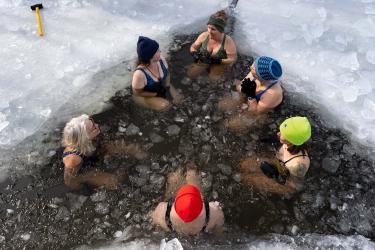
Cold Plunge Benefits: Science-Backed Reasons to Take the Dip
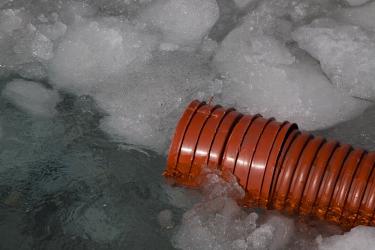
You’ve seen the influencers posting from their backyard ice baths. Athletes swear by them - your gym just installed one. But does cold plunge therapy actually deliver on its promises, or is this another wellness trend with more hype than substance?
The short answer: science backs several benefits. The longer answer requires understanding what happens to your body when you voluntarily subject it to near-freezing water.
What Happens During a Cold Plunge
When you step into water between 50-59°F (10-15°C), your body triggers an immediate stress response. Blood vessels constrict. Your heart rate spikes briefly before dropping. Norepinephrine floods your system-sometimes increasing by 200-300% within minutes.
This isn’t comfortable - that’s the point.
Your body interprets cold immersion as a survival challenge and responds accordingly. The cascade of physiological changes that follow creates both immediate and lasting effects on inflammation, mood, and recovery.
5 Science-Backed Benefits Worth Knowing
1. Reduced Muscle Inflammation and Soreness
A 2022 meta-analysis in Sports Medicine examined 52 studies on cold water immersion and exercise recovery. The findings? Cold exposure significantly reduced delayed-onset muscle soreness (DOMS) compared to passive recovery.
The mechanism is straightforward. Cold constricts blood vessels and reduces blood flow to tissues, which limits the inflammatory response after intense exercise. Once you warm up, fresh blood rushes back, potentially clearing metabolic waste products more efficiently.
But here’s the nuance researchers often mention: if you’re training for muscle growth, immediate post-workout cold exposure might blunt some hypertrophy signals. Consider waiting 3-4 hours after strength training before taking the plunge.
2. Improved Mood and Mental Clarity
That norepinephrine surge is more than a stress response-it’s also a neurotransmitter linked to focus, attention, and mood regulation. Regular cold exposure appears to create lasting changes in baseline norepinephrine levels.
A small but notable study from Finland found that regular winter swimmers showed significantly lower tension, fatigue, and negative mood states compared to non-swimmers. Participants reported feeling more energetic and active.
The dopamine response matters too. Research published in the European Journal of Applied Physiology documented a 250% increase in dopamine levels following cold water immersion. Unlike the quick spike and crash from other dopamine triggers, this elevation remained stable for hours.
3. Enhanced Cold Tolerance and Metabolic Adaptation
Your body contains two types of fat: white fat (energy storage) and brown fat (thermogenesis). Brown adipose tissue burns calories to generate heat-and cold exposure activates it.
Regular cold plunging appears to increase brown fat activity and may even convert some white fat cells to “beige” fat with similar properties. A 2014 study found that subjects exposed to mild cold for 6 hours daily significantly increased their brown fat metabolism over 10 days.
The practical takeaway: consistent cold exposure trains your body to handle thermal stress more efficiently. You’ll shiver less. You’ll feel more comfortable in cold environments. Your metabolism may become slightly more active.
4. Potential Immune System Benefits
The research here is promising but still developing. A large Dutch study asked participants to end their showers with 30-90 seconds of cold water for 30 consecutive days. Those who stuck with the cold showers reported 29% fewer sick days than the control group.
Note: they still got sick at similar rates. They just recovered faster or experienced milder symptoms. Researchers theorize that regular cold stress conditions the immune system, though the exact mechanisms remain under investigation.
5. Improved Circulation and Cardiovascular Response
The vascular gymnastics of cold immersion-constriction followed by dilation-essentially exercises your blood vessels. For healthy individuals, this may improve overall vascular function over time.
Some cardiologists recommend cold exposure for its potential effects on blood pressure regulation and heart rate variability. However, if you have cardiovascular issues, talk to your doctor first. The initial cold shock spikes blood pressure significantly.
How to Start Cold Plunging Safely
Step 1: Start Warmer Than You Think
Forget the 40°F ice baths you see online. Begin with water around 60-65°F. This feels cold enough to trigger adaptation without overwhelming your system.
Your first session should last just 30 seconds to 1 minute. Yes, that’s it.
Step 2: Focus on Your Breathing
The cold shock response makes you want to gasp and hyperventilate. Fight this urge - take slow, controlled breaths. Exhale longer than you inhale.
Many people fail at cold plunging not because they can’t handle the temperature, but because they panic. Breathing control is everything.
Step 3: Progress Gradually
Add 30 seconds to your immersion time each week. Drop the temperature by 2-3 degrees every few weeks as tolerated. Most people eventually settle at 2-4 minutes in water between 50-59°F.
There’s no prize for going colder or longer. Research suggests benefits plateau around 11 minutes total weekly exposure, split across multiple sessions.
Step 4: Time It Strategically
Morning cold exposure can boost alertness for hours. The dopamine and norepinephrine release essentially replaces your coffee-though you might still want both.
Avoid cold plunging right before bed. The stress hormones can interfere with sleep onset.
Step 5: Consider Contrast Therapy
Alternating between hot and cold exposure-say, sauna followed by cold plunge-may amplify benefits. The extreme temperature swings create a more pronounced vascular response.
A typical contrast protocol: 10-15 minutes in a sauna at 170-180°F, then 2-3 minutes in cold water. Repeat 2-3 cycles.
When to Skip the Cold Plunge
Cold therapy isn’t for everyone. Avoid it if you have:
- Raynaud’s disease or cold urticaria
- Uncontrolled hypertension
- Heart disease or arrhythmias (without medical clearance)
- Open wounds or active infections
Pregnant women should consult their healthcare provider before starting cold exposure practices.
And honestly - some people just hate it. That’s fine. The stress benefits only work if you’re choosing the stressor voluntarily. Forcing yourself into something you despise creates cortisol without the adaptive benefits.
The Bottom Line
Cold plunging offers real, measurable benefits for inflammation, mood, metabolism, and possibly immune function. The research supports it-with appropriate caveats about individual variation and proper protocol.
But it’s a tool, not a miracle. It won’t fix a terrible diet, chronic sleep deprivation, or overtraining. Stack it with other recovery practices for best results.
Start cold - start brief. Breathe through it. Your body adapts faster than you’d expect.