Adult Recreation Leagues: Why Team Sports Beat Solo Gym Sessions
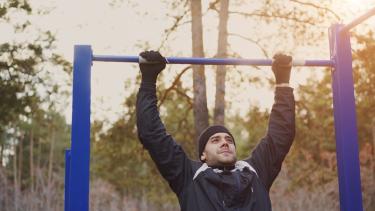
You signed up for a gym membership last January. That treadmill has seen you maybe six times since. The rowing machine - once. Meanwhile, the monthly fee keeps disappearing from your account like clockwork.
Sound familiar?
but: solo gym sessions work great for some people. But for millions of adults, they’re a recipe for abandoned fitness goals and wasted money. The missing ingredient isn’t discipline or motivation. It’s other people.
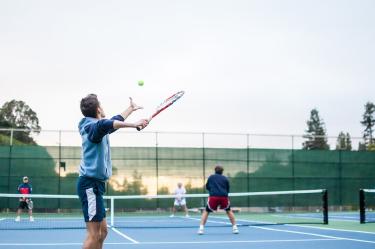
Adult recreation leagues have exploded in popularity over the past five years, and the reasons go far beyond fitness. When you join a pickleball league, soccer team, or volleyball group, you’re not just exercising. You’re building accountability, community, and something to actually look forward to on a Tuesday night.
Why the Gym Model Fails Most People
Let’s be honest about gym dropout rates. Research from fitness industry analysts shows that roughly 50% of new gym members quit within the first six months. By month twelve, that number climbs even higher.
The gym model assumes you’ll self-motivate. Show up alone - push through alone. Track progress alone. For naturally disciplined people with clear fitness goals, this works. For everyone else, it’s asking a lot.
Team sports flip this entire dynamic. You’re not dragging yourself to a fluorescent-lit room full of strangers. You’re showing up because Sarah needs a fourth for doubles, or because your flag football team is one game from playoffs.
That external accountability changes everything.
How to Find the Right League for Your Fitness Level
Before you start Googling “adult kickball near me,” take stock of where you’re actually starting from. Recreational leagues vary wildly in intensity and competitiveness.
Step 1: Assess Your Current Baseline
Be brutally honest here. If you haven’t done cardio in eighteen months, jumping into a competitive basketball league will hurt. Literally.
Ask yourself:
- Can you jog for twenty minutes without stopping? - Do you have any joint issues or previous injuries? - Have you played this sport before, even casually? - What’s your schedule like for practice and games?
Most leagues offer tiered divisions-beginner, intermediate, competitive. Start one level below where your ego wants to be. You can always move up.
Step 2: Choose a Sport That Matches Your Goals
Different team sports deliver different fitness benefits:
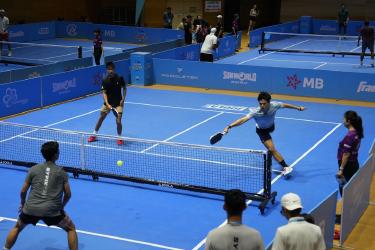
Pickleball: Lower impact, excellent for beginners, heavy social component. Great for adults over 40 or those recovering from injuries. You’ll get moderate cardio and improved hand-eye coordination.
Soccer/Football: High cardio intensity, significant running, demands baseline fitness. Most adult leagues are coed and play on smaller fields than professional matches.
Volleyball: Burst cardio with recovery periods. Easier on joints than running sports. Indoor leagues available year-round.
Softball/Baseball: Minimal continuous cardio but excellent for social fitness goals. Games move slowly enough for conversation.
Basketball: High intensity, significant joint stress. Best for adults with existing athletic backgrounds.
Step 3: Locate Leagues in Your Area
Several platforms aggregate adult recreational leagues:
- Local parks and recreation departments: Often the cheapest option. Registration usually happens seasonally. - Private league organizers: Companies like ZogSports, Volo Sports, or local equivalents run leagues in most mid-sized cities. - Facebook groups and Meetup: Less formal but often more welcoming to true beginners. - YMCA and community centers: Good middle ground between competitive and casual.
Call or email the organizers before signing up. Ask specifically about skill levels and whether they welcome beginners. The vibe varies enormously between leagues.
Making Team Sports Stick When You’re Out of Practice
Joining is the easy part. Staying committed through the inevitable awkward first weeks takes strategy.
Show Up Early to Your First Few Sessions
Arriving early lets you meet teammates one-on-one rather than walking into an established group dynamic. Help set up equipment. Learn names before the chaos starts.
This small investment pays off. You’ll feel less like an outsider when the game begins.
Accept That You’ll Be Bad Initially
Seriously - accept it now.
Most adults haven’t played organized team sports since high school or college. Your body doesn’t move the way it did at nineteen. That’s completely fine.
Good recreational leagues understand this. The person who shows up consistently matters more than the person who shows up skilled.
Supplement League Play with Targeted Practice
Playing games once a week won’t dramatically improve your skills. If you want to get better (and you probably do), add practice sessions.
For pickleball, hit the courts for thirty minutes before league nights. For soccer, work on basic ball control at a park. YouTube tutorials genuinely help for sport-specific techniques.
This practice time also builds the fitness base that makes game days more enjoyable and less exhausting.
The Social Fitness Advantage You Can’t Get From a Gym
Here’s where team sports deliver something gyms structurally cannot: genuine friendship.
Gym friendships exist, sure. But they’re usually limited to the nod-of-recognition relationship or occasional small talk between sets. The shared vulnerability of team sports creates deeper connections faster.
You’ve seen each other miss easy shots. You’ve celebrated comeback wins. You’ve grabbed post-game drinks and complained about the referee together.
A 2023 survey from the Sports & Fitness Industry Association found that adults who participate in team sports report significantly higher satisfaction with their social lives compared to solo exercisers. The correlation isn’t subtle.
Those relationships create a self-reinforcing loop. You show up because your friends are there. You push harder because you don’t want to let the team down. People stay consistent because missing feels like abandoning people, not just skipping a workout.
Common Obstacles and How to Handle Them
“I Don’t Know Anyone Who Plays”
Most leagues actively recruit free agents-individuals who want to join but don’t have a team. Organizers place free agents on existing teams that need players.
Yes, this feels awkward - do it anyway. Within three weeks, you’ll know everyone’s name and have inside jokes about the team captain’s questionable strategy calls.
“My Schedule Is Unpredictable”
Look for leagues with flexible attendance policies. Many recreational leagues expect some absences and carry extra players on rosters specifically for this reason.
Substitute networks also exist in larger cities. You play when you can, filling spots on different teams each week.
“I’m Too Old/Out of Shape/Uncoordinated”
You’re not - i promise.
Adult recreational leagues exist specifically for people who aren’t professional athletes. The forty-seven-year-old accountant who hasn’t run since the Reagan administration? She’s on the pickleball court right now, having a great time.
Start with lower-intensity sports - choose beginner divisions. Your fitness will improve faster than you expect when you’re actually enjoying the activity.
“What If I Get Injured?”
Injury risk is real, particularly for returning athletes who push too hard too fast. Mitigate it:
- Warm up properly before every session (most people skip this-don’t be most people)
- Invest in sport-appropriate footwear
- Know your limits and communicate them to teammates
- Take recovery seriously between sessions
Minor injuries happen occasionally. Major injuries are rare in recreational leagues because the intensity stays moderate.
Your First Month Action Plan
Week one: Research three leagues in your area. Contact organizers with questions.
Week two: Register for one league that fits your schedule and fitness level. Buy any required equipment.
Week three: Attend your first practice or game. Focus on learning names, not performing perfectly.
Week four: Show up again - and again. The consistency matters more than anything else at this stage.
By month two, you’ll have teammates who notice when you’re absent. That’s the accountability gym memberships can’t manufacture.
Team sports won’t replace every aspect of fitness training. You’ll still benefit from strength work, flexibility practice, and dedicated cardio sessions. But for making exercise sustainable, enjoyable, and genuinely social, recreational leagues deliver something treadmills never will.
That gym membership isn’t going anywhere. But maybe this season, it’s time to try something different.