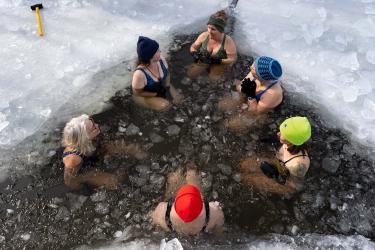
Cold Plunge Science: What Research Actually Says About Ice Baths

You’ve seen the influencers gasping in ice-filled tubs. Maybe your gym just installed a cold plunge pool. And you’re wondering: is this actually worth the discomfort, or just another wellness fad?
The short answer? Cold exposure does have real physiological effects. But the research is messier than Instagram would have you believe.
What Happens When You Get Into Cold Water
When you submerge yourself in cold water (typically 50-59°F or 10-15°C), your body launches an immediate stress response. Blood vessels near your skin constrict, redirecting blood toward your core organs. Your heart rate initially spikes, then typically slows. Norepinephrine floods your system-sometimes increasing by 200-300% within minutes.
This norepinephrine surge handles much of what cold plunge enthusiasts report: increased alertness, elevated mood, that “alive” feeling after getting out.
A 2000 study published in the International Journal of Circumpolar Health found that regular winter swimmers had a 250% increase in norepinephrine compared to non-swimmers. That’s substantial. But here’s what the breathless testimonials often skip: this acute stress response isn’t automatically beneficial for everyone or every goal.
The Recovery Question: Does Cold Help or Hurt?
This is where things get genuinely complicated.
For acute recovery after exercise, cold water immersion does reduce perceived muscle soreness. A 2012 meta-analysis in the Cochrane Database looked at 17 trials and found cold water baths after exercise reduced delayed-onset muscle soreness compared to passive rest. Participants reported feeling better.
But feeling better and actually recovering better aren’t always the same thing.
For long-term strength and muscle gains, cold exposure might actually work against you. A 2015 study in the Journal of Physiology had participants do lower-body resistance training twice weekly for 12 weeks. One group did cold water immersion afterward; one did active recovery. The cold group gained less muscle mass and strength.
Why? The inflammation you’re trying to reduce is actually part of the muscle-building signal. You need some of that inflammatory response for adaptation to occur.
So here’s the practical takeaway:
- **Training for a competition next week? ** Cold immersion after hard sessions may help you feel recovered enough to perform. 2 - **Building strength over months? ** Skip the post-workout ice bath. Save it for rest days if you enjoy it. 3 - **Endurance training? ** The research here is less clear, but evidence suggests cold immersion may not interfere with aerobic adaptations the same way it does with strength.
Mental Health Effects: What the Studies Show
The mood benefits of cold exposure have better support than some of the physical recovery claims.
A small but interesting 2007 study proposed cold showers as a potential treatment for depression. The mechanism? That norepinephrine surge again, plus activation of the sympathetic nervous system and potential effects on brain chemistry through the vagus nerve.
More recently, researchers have examined regular cold water swimming and found associations with improved mood and reduced anxiety. A 2020 case study published in BMJ Case Reports documented a 24-year-old woman whose treatment-resistant depression improved after a cold water swimming program.
Important caveats: most of these studies are small. Many are observational, meaning we can’t definitively say cold caused the improvements. And the act of doing something challenging and completing it may provide its own psychological benefit, separate from the cold itself.
Still, if you find cold exposure improves your mental state, that’s a real effect worth considering.
How to Actually Do This Safely
Assuming you want to try cold exposure, here’s a sensible approach:
Step 1: Start warmer than you think.
Begin around 60-65°F (15-18°C). This feels cold but won’t shock your system dangerously. Stay in for 2-3 minutes initially.
Step 2: Breathe deliberately.
The gasp reflex is real and can cause hyperventilation. Before entering, take several slow, deep breaths. In the water, focus on exhaling slowly. This is more than comfort-uncontrolled breathing in cold water is genuinely dangerous.
Step 3: Progress gradually over weeks.
Drop temperature by a few degrees every 5-7 sessions. Extend time slowly. Most research uses exposures of 11-15 minutes total per week, often broken into multiple shorter sessions.
Step 4: Time it strategically.
For mood and energy benefits, morning cold exposure makes sense-you’ll get the norepinephrine boost when you want alertness. For sleep, avoid cold plunges within 2-3 hours of bed; the initial sympathetic activation can interfere with falling asleep.
Step 5: Skip it when sick or exhausted.
Cold exposure is a stressor. If you’re fighting an infection or severely sleep-deprived, adding more stress isn’t smart.
Common Mistakes People Make
**Going too cold too fast. ** Water below 50°F (10°C) significantly increases cardiac stress. Unless you’ve built substantial tolerance, stay above this threshold.
**Staying in too long - ** More isn’t better. After about 10-15 minutes, you’re not getting additional benefits but are increasing hypothermia risk.
**Doing it immediately after strength training. ** As noted above, this may blunt your gains. Wait at least 4-6 hours, or save cold exposure for non-training days.
**Ignoring warning signs. ** Extreme shivering, confusion, slurred speech, or loss of coordination mean get out immediately and warm up. These are early hypothermia symptoms.
**Expecting miracles. ** Cold exposure isn’t going to transform your body or cure serious health conditions. It’s one tool among many.
Who Should Skip Cold Plunges Entirely
Cold water immersion isn’t appropriate for everyone. Avoid it if you have:
- Cardiovascular disease or uncontrolled high blood pressure
- Raynaud’s disease
- Cold urticaria (hives triggered by cold)
- A history of cold shock response or panic attacks in cold water
If you’re pregnant or have any chronic health condition, check with your doctor first. This isn’t excessive caution-the cardiovascular stress from cold immersion is real.
The Bottom Line
Cold plunges aren’t snake oil. The acute physiological effects are well-documented: vasoconstriction, norepinephrine release, sympathetic nervous system activation. These create real changes in how you feel and may support mood and alertness.
For physical recovery, the picture is nuanced. Cold exposure can reduce soreness perception but may interfere with long-term strength adaptations if used immediately post-workout.
The research doesn’t support cold plunges as a cure-all. But it doesn’t dismiss them either.
Try it if you’re curious - start conservatively. Pay attention to how your body actually responds rather than what you’ve been told to expect. And don’t ice bath yourself out of your strength gains because someone on social media said it was transformative.
The best recovery protocol is the one you’ll actually follow-and that includes enough sleep, adequate protein, and smart programming. Cold water is, at most, a small piece of that puzzle.