Pulse Power: Why Beans and Lentils Dominate 2026 Nutrition
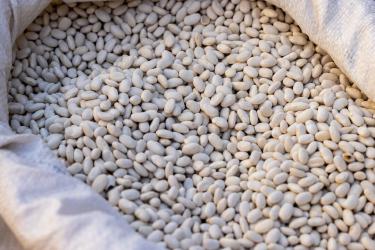
Beans and lentils are having a moment. Actually, they’ve been having a moment for about 10,000 years-we’re just finally paying attention.
Pulses (the dried seeds of legumes) have quietly powered civilizations from ancient Rome to rural India. Now, with protein costs climbing and environmental concerns mounting, these humble pantry staples are stepping into the spotlight. Here’s how to make them work harder in your diet.
What Makes Pulses Different From Other Plant Proteins
Not all plant proteins are created equal. Pulses-which include lentils, chickpeas, black beans, kidney beans, and split peas-pack a nutritional punch that most alternatives can’t match.
One cup of cooked lentils delivers about 18 grams of protein. That’s comparable to three eggs. But here’s what separates pulses from, say, a protein shake: they come bundled with fiber, iron, folate, and potassium. You’re not isolating nutrients - you’re eating food.
The fiber content alone deserves attention. A single cup of black beans contains 15 grams of fiber-roughly half your daily recommended intake. Most Americans get about 16 grams total per day. One serving of beans could nearly double that.
Step 1: Choose Your Pulse Based on Your Goals
Different pulses serve different purposes - pick strategically.
For maximum protein: French green lentils and black beans top the list at 17-18 grams per cooked cup. Use these when protein intake is your primary concern-post-workout meals, for instance.
For iron absorption: Pair red lentils with vitamin C sources like tomatoes or lemon juice. Red lentils cook down soft, making them ideal for sauces where you can easily add acidic ingredients.
For blood sugar management: Chickpeas have a lower glycemic index than most pulses. They digest slowly, preventing the energy spikes and crashes that derail afternoon productivity.
For digestive ease: Start with split peas or red lentils if you’re new to pulses. They’re easier to digest than whole beans because the outer hull has been removed.
Step 2: Prepare Pulses Properly (This Matters More Than You Think)
Improper preparation is why most people think they “can’t digest beans. " Fix your technique first.
**Soak dried beans for 8-12 hours. ** This reduces cooking time and breaks down oligosaccharides-the compounds responsible for digestive discomfort. Discard the soaking water and rinse thoroughly before cooking.
**Skip soaking for lentils and split peas. ** They cook quickly enough without it. Red lentils need just 15-20 minutes. Green and brown lentils take 25-30 minutes.
**Add salt after cooking, not before. ** Salt added too early toughens the outer skin and extends cooking time. Season once your beans are tender.
**Use kombu seaweed during cooking. ** This traditional Japanese trick actually works. Kombu contains enzymes that break down the indigestible sugars in beans. Add a 3-inch strip to your pot and remove before serving.
Canned beans work fine when you’re short on time. Rinse them thoroughly to remove about 40% of the sodium. The texture won’t match home-cooked, but the nutrition remains solid.
Step 3: Build Complete Proteins Without Overthinking It
Pulses contain all essential amino acids, but they’re lower in methionine. Grains are lower in lysine. Combine them, and you get a complete protein profile.
You don’t need to eat them at the same meal. That’s outdated advice from the 1970s. Your body pools amino acids throughout the day. Just eat both grains and legumes regularly.
That said, classic combinations exist for a reason:
- Rice and beans (Latin America)
- Lentils and flatbread (Middle East, India)
- Hummus and pita (Mediterranean)
- Black-eyed peas and cornbread (American South)
These pairings evolved independently across cultures. Thousands of years of collective human experience figured this out through trial and error.
Step 4: Replace Meat Gradually, Not Drastically
Swapping all your chicken for chickpeas overnight rarely works. Your gut bacteria need time to adjust to increased fiber. Your taste buds need time to appreciate different textures.
Start with one pulse-based meal per week. A pot of black bean soup. Lentil tacos - chickpea curry. Get comfortable with cooking techniques and flavors before scaling up.
After two weeks, add a second weekly meal. Continue expanding from there. Most people find a rhythm around 3-4 pulse-based meals weekly, with animal protein filling other slots.
This gradual approach prevents the bloating and gas that turn people off legumes permanently. Your gut microbiome literally changes composition to handle fiber better-but it needs consistent exposure over several weeks.
Common Mistakes and How to Fix Them
Problem: Beans taste bland. Solution: Pulses absorb surrounding flavors aggressively. Toast whole spices (cumin, coriander, mustard seeds) in oil before adding your beans. Use stock instead of water. Build a flavor base with onions, garlic, and aromatics.
Problem: Lentils turn to mush. Solution: You’re overcooking them or using the wrong variety. Brown and green lentils hold their shape for salads and grain bowls. Red and yellow lentils are meant to break down-use those intentionally for soups and dal.
Problem: Digestive issues persist despite proper preparation. Solution: Try smaller portions more frequently rather than large amounts occasionally. 1/4 cup daily beats 1 cup twice weekly for adaptation purposes. Also consider digestive enzyme supplements containing alpha-galactosidase (the active ingredient in Beano) during the transition period.
Problem: Family won’t eat “health food. " Solution: Stop announcing it. Black beans in tacos, lentils in pasta sauce, white beans in soup-these integrations often go unnoticed. You’re not deceiving anyone - you’re just cooking.
The Environmental Angle (Because It Matters)
Pulses fix nitrogen in soil, reducing fertilizer needs for subsequent crops. They require a fraction of the water that animal protein demands. A kilogram of lentils generates about 0. 9 kg of CO2 equivalent; a kilogram of beef generates around 27 kg.
This isn’t a guilt trip - it’s context. When you choose lentil bolognese over beef, you’re making a decision that scales. Millions of similar small choices shift entire food systems.
Sample Weekly Pulse Integration
Here’s what gradual integration looks like in practice:
Monday: Black bean tacos with lime crema Wednesday: Red lentil soup with crusty bread Friday: Chickpea and vegetable curry over rice Sunday: White bean and kale pasta
Four meals. Maybe six servings total across the week. Enough to impact your fiber intake, protein diversity, and food budget without requiring a complete lifestyle overhaul.
Keep canned chickpeas and black beans stocked for emergencies. A can of beans transforms a sparse refrigerator into dinner. Toss them on salads, blend into dips, or sauté with whatever vegetables you have.
The goal isn’t perfection - it’s consistency. Pulses have sustained human populations through famines, wars, and economic collapses. They’re not trendy superfoods destined for next year’s clearance bin. They’re foundational nutrition that happens to be cheap, shelf-stable, and genuinely good for you.
Start this week - pick one recipe. Cook a batch - see what happens.