Micro-Workouts Under 15 Minutes Deliver Full Gym Results
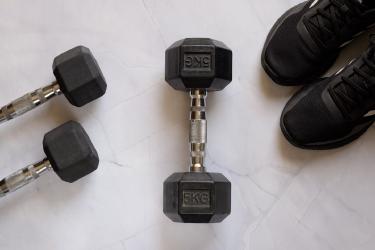
You don’t need an hour at the gym. You don’t even need thirty minutes. Research from exercise science labs worldwide confirms what busy professionals have suspected: concentrated bursts of activity deliver comparable benefits to traditional longer workouts.
This isn’t wishful thinking or marketing hype. A 2022 study published in the European Heart Journal tracked over 25,000 participants. Found that vigorous activity lasting just 3-4 minutes, accumulated throughout the day, reduced cardiovascular mortality by up to 49%. Your body responds to intensity, not just duration.
Why Short Workouts Actually Work
Your muscles don’t wear watches. They respond to mechanical tension, metabolic stress, and muscle damage-the three primary drivers of adaptation. A focused 12-minute session can trigger these mechanisms just as effectively as an hour of moderate-paced exercise.
Here’s what happens physiologically during high-intensity micro-workouts:
- Rapid glycogen depletion forces your body to become more efficient at energy production
- Growth hormone spikes occur within minutes of intense effort
The key difference - you’re compressing the work. Instead of spreading effort across 45 minutes with rest periods and scrolling between sets, you’re maintaining continuous tension for the entire session.
Building Your First Micro-Workout Routine
Start with this framework and adjust based on your fitness level. Each workout targets different energy systems and muscle groups.
The 12-Minute Total Body Circuit
Perform each exercise for 40 seconds, rest 20 seconds, then move to the next. Complete the entire circuit twice.
Round 1 & 2:
- Squat to overhead press (use dumbbells, water bottles, or bodyweight)
- Push-up variations (standard, incline, or knee-supported)
- Reverse lunges alternating legs
- Plank with shoulder taps
- Burpees or squat jumps
- Mountain climbers
This sequence alternates between pushing and pulling movements while keeping your heart rate elevated. The 40/20 work-to-rest ratio creates enough recovery to maintain form without letting your heart rate drop significantly.
The 8-Minute Metabolic Blaster
For days when 12 minutes feels ambitious, try this condensed version. Perform each movement for 30 seconds with no rest between exercises. Take 60 seconds after completing all five, then repeat.
- Jump squats or fast bodyweight squats
- Push-ups (any variation)
- High knees running in place
- Tricep dips using a chair or step
- Plank hold
Two rounds - eight minutes total. You’ll be breathing hard by the end-that’s the point.
The 5-Minute Wake-Up Protocol
Some days call for something even shorter. Use this when you’re genuinely pressed for time or want to stack multiple sessions throughout the day.
- 60 seconds: Jumping jacks or march in place with high knees
- 60 seconds: Push-ups at your own pace
- 60 seconds: Bodyweight squats
- 60 seconds: Plank hold
- 60 seconds: Burpees or squat thrusts
Done three times throughout your day, this adds up to 15 minutes of quality movement with metabolic benefits that compound.
Programming Your Week for Maximum Results
Random workouts produce random results - structure matters even with micro-sessions.
Monday: 12-minute total body circuit Tuesday: 8-minute metabolic blaster + 5-minute evening walk Wednesday: Active recovery-stretching, yoga, or light movement Thursday: 12-minute total body circuit (increase weight or reps from Monday) Friday: 8-minute metabolic blaster Saturday: Longer activity if time allows-hike, bike ride, recreational sports Sunday: Rest or gentle movement
Progression happens through intensity, not duration. Add resistance - increase speed. Reduce rest periods. Your body adapts quickly to stimulus, so change variables every 2-3 weeks.
Common Mistakes That Sabotage Short Workouts
**Going through the motions. ** A half-hearted 12-minute workout delivers half-hearted results. Intensity is non-negotiable. If you’re not breathing heavily by minute 4, push harder.
**Skipping the warm-up. ** Spend 60-90 seconds preparing your body. Arm circles, leg swings, and light jumping jacks prevent injury and improve performance. This counts as part of your workout time.
**Choosing exercises you hate - ** Sustainability beats optimization. Swap movements you dread for alternatives that work similar muscle groups. Hate burpees - do squat jumps instead. The best workout is the one you’ll actually do.
**Expecting overnight transformation. ** Micro-workouts deliver results over weeks and months, not days. A study from McMaster University found that 12 weeks of brief intense exercise produced cardiorespiratory fitness improvements equivalent to traditional endurance training. Patience matters.
Equipment Options for Home-Based Training
You can accomplish plenty with bodyweight alone. But a few inexpensive tools expand your options:
- Resistance bands ($15-30): Add variable tension to any movement
- A single kettlebell ($30-60): Swings, goblet squats, and Turkish get-ups in one compact tool
- Jump rope ($10-15): Unmatched for cardio conditioning in small spaces
- Suspension trainer ($25-100): Turns any door into a full gym
None of these require significant space or investment. A corner of your bedroom works fine.
Tracking Progress Without Obsessing
Measurement keeps you honest. But elaborate tracking systems often become obstacles themselves.
- Note the date and which workout you completed
- Record any modifications (heavier weight, more reps, shorter rest)
That’s it. A note on your phone or a simple spreadsheet captures everything meaningful. When you notice your perceived effort dropping for the same workout, it’s time to progress.
Stacking Micro-Workouts Throughout the Day
One fascinating approach involves spreading movement across multiple brief sessions. This strategy, sometimes called “exercise snacking,” may offer unique metabolic advantages.
Try this breakdown:
- Morning: 5-minute wake-up protocol
- Lunch break: 8-minute metabolic session
- Evening: 5-minute bodyweight circuit or stretching
Total daily movement: 18 minutes. But the repeated metabolic stimulation potentially offers benefits beyond a single longer session. Your blood sugar regulation improves, energy stays more stable, and you avoid the mental barrier of finding a 30+ minute block.
Making This Sustainable Long-Term
The real advantage of micro-workouts is more than efficiency. It’s removing the excuses that derail consistency.
Can’t get to the gym - you don’t need one. Don’t have time - you have 12 minutes. Too tired after work? Do it before your morning shower.
Consistency compounds. Three 12-minute sessions per week, maintained for a year, beats sporadic 90-minute gym visits that fade after January. The habit matters more than the perfect program.
Start this week - pick one routine from above. Set a recurring reminder. Show up for 12 minutes-or 8, or even 5. Your body will adapt - your energy will improve. And you’ll have proven to yourself that fitness doesn’t require a time investment you can’t afford.