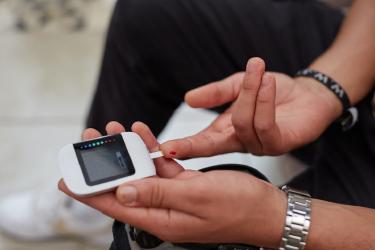
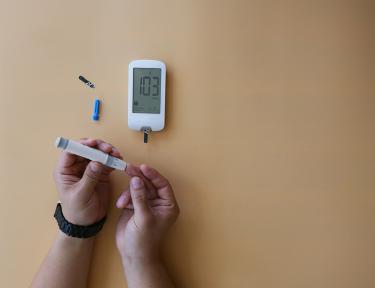
Continuous Glucose Monitors Help Non-Diabetics Optimize Performance
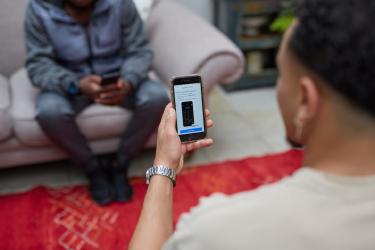
You’ve probably heard about continuous glucose monitors from friends with diabetes. These small sensors stick to your arm and track blood sugar levels 24/7. But here’s what’s catching on fast: athletes, biohackers, and regular people wanting better energy are now wearing them too.
The idea is simple - your body runs on glucose. When blood sugar spikes and crashes, you feel it-brain fog at 2 PM, that wall during your evening run, or waking up groggy despite eight hours of sleep. A CGM shows you exactly what’s happening in real time.
What a CGM Actually Measures
A continuous glucose monitor uses a tiny filament inserted just under your skin. It reads interstitial fluid glucose levels every few minutes and sends data to your phone. You see a graph showing where your blood sugar has been and where it’s heading.
For non-diabetics, the goal isn’t managing a disease. It’s understanding how your body responds to food, exercise, stress, and sleep. That breakfast smoothie you thought was healthy? The CGM might show a glucose spike to 160 mg/dL followed by a crash to 70. No wonder you’re reaching for coffee by 10 AM.
Most people without diabetes sit between 70-100 mg/dL fasting and stay under 140 after meals. But “normal” and “optimal” aren’t the same thing. Research from Stanford showed that even healthy individuals can have glucose excursions into pre-diabetic ranges multiple times per day without knowing it.
Setting Up Your CGM for Fitness Tracking
Getting started requires a prescription in most countries, though some companies now offer CGMs through telehealth consultations specifically for metabolic optimization.
**Step 1: Choose your device. ** The Dexcom G7 and Abbott Freestyle Libre 3 are the main options. Both last about 14 days. The Libre tends to cost less but requires manual scans (or an add-on transmitter for continuous readings). Dexcom streams automatically but runs pricier.
**Step 2: Pick your placement. ** The back of your upper arm works best for most activities. Avoid areas where clothing rubs during workouts. Some athletes use their abdomen, but arm placement generally gives more consistent readings during movement.
**Step 3: Apply during a rest day. ** Sensors need 12-24 hours to calibrate properly. Don’t trust the first day’s readings completely. Apply it the night before you want accurate data.
**Step 4: Pair with a tracking app. ** While manufacturer apps work fine, third-party options like Levels, Nutrisense, or Veri overlay your glucose data with meal photos, workouts, and sleep. This context makes the numbers meaningful.
Reading Your Data Without Overthinking It
New CGM users often obsess over every spike. Don’t. Some glucose variability is normal and healthy. Your body is supposed to respond to food.
Focus on these patterns instead:
**Morning readings. ** Check your fasting glucose when you wake up. Consistently above 100 - that’s worth investigating. The “dawn phenomenon”-a natural cortisol rise-can bump numbers up, but chronically elevated morning glucose suggests metabolic issues.
**Post-meal curves. ** A healthy response peaks around 30-60 minutes after eating, then returns to baseline within 2-3 hours. Spikes above 140, especially lasting more than an hour, indicate your body struggled with that meal.
**Pre-workout levels. ** Going into exercise with glucose around 90-110 generally works well. Starting too low (under 80) and you might bonk early. Starting too high (above 130) and you’re already in a stressed metabolic state.
**Overnight stability. ** Your glucose should stay relatively flat while sleeping, ideally between 70-90. Big drops or spikes during sleep often correlate with poor sleep quality, late meals, or alcohol consumption.
Optimizing Performance Through Glucose Management
Once you’ve collected a week or two of data, patterns emerge. Now you can experiment.
**Adjusting pre-workout nutrition. ** Try different pre-workout meals and note your glucose response plus how you felt during training. Some people perform better training fasted with stable low glucose. Others need carbs but discover that fruit spikes them less than toast. There’s no universal answer-your CGM finds YOUR answer.
**Timing carbs strategically. ** Eating carbohydrates within 30 minutes after intense exercise takes advantage of increased insulin sensitivity. Your muscles are primed to absorb glucose. That post-workout rice won’t spike you the same way it would at your desk.
**Identifying problem foods. ** You’ll likely discover personal trigger foods that spike your glucose disproportionately. Common culprits include white rice, dried fruit, certain breakfast cereals, and surprisingly, some “health foods” like açaí bowls or smoothie shop drinks. When you see a food consistently causing glucose excursions above 150, consider swapping it out or pairing it with protein and fat to blunt the response.
**Managing stress responses. ** Glucose rises from stress without eating anything. You might notice spikes during work presentations, arguments, or even scary movies. This isn’t about food choices-it’s cortisol releasing stored glucose. Seeing this pattern helps you understand why chronic stress tanks your energy and body composition regardless of diet.
Common Mistakes and How to Fix Them
**Mistake: Eating low-carb because any glucose rise seems bad. ** Some glucose elevation after meals is normal. Cutting carbs entirely based on CGM fear often backfires-especially for athletes who need glycogen for performance. The goal is controlled rises and smooth returns to baseline, not flatline glucose.
**Mistake: Ignoring context. ** A post-workout glucose spike looks alarming until you realize your body is mobilizing energy for recovery. Same with morning readings-they’re influenced by sleep quality, stress, and what you ate the night before. Single data points mean little without context.
**Mistake: Comparing yourself to others. ** Someone else’s glucose response to bananas doesn’t predict yours. Genetics, gut microbiome, fitness level, and metabolic health all influence individual responses. Your n=1 experiment is the only one that matters for your body.
**Mistake: Wearing a CGM forever. ** Most non-diabetics don’t need continuous monitoring indefinitely. Wear one for 2-3 months, learn your patterns, make changes, then check in periodically. The insights stick even after you remove the sensor.
When CGM Data Suggests Seeing a Doctor
Occasionally, CGM data reveals something worth medical attention. Consistently elevated fasting glucose (above 100 mg/dL), frequent post-meal spikes above 160, or glucose that takes 3+ hours to return to baseline may indicate insulin resistance or early metabolic dysfunction.
This isn’t diagnosing yourself. It’s gathering data to have an informed conversation with your doctor. Many people catch pre-diabetes this way before it would show up on annual bloodwork.
The Bottom Line on CGMs for Performance
Continuous glucose monitors give you real-time feedback on how your body processes fuel. That information lets you make smarter decisions about what you eat, when you eat it, and how you structure training.
The technology isn’t magic. It won’t make you faster or leaner by itself. But it removes the guesswork. Instead of following generic nutrition advice, you see exactly how YOUR body responds. And that personalized data? Worth more than any diet book ever written.
Start with curiosity rather than judgment. Track patterns over weeks, not hours. Make small changes based on what you learn. Your glucose data is just information-useful information-about the machine you’re living in.