Cold Compression Therapy: Accelerate Recovery After Intense Workouts
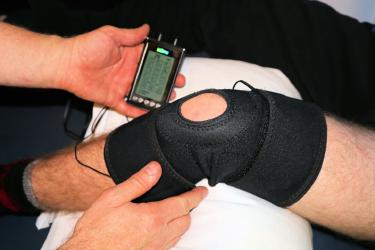
You just crushed a brutal leg day. Or maybe you ran your first half marathon. Either way, your muscles are screaming, and you’re wondering how professional athletes bounce back so quickly.
The answer might be simpler than you think: cold compression therapy.
This technique combines two recovery methods that have been around forever-cold therapy and compression-into one approach that works faster than either alone. And no, you don’t need access to a fancy sports medicine clinic to try it.
What Cold Compression Therapy Actually Does to Your Body
When you exercise intensely, you create microscopic tears in your muscle fibers. That’s normal-it’s how muscles grow stronger. But this damage triggers inflammation, swelling, and that familiar soreness that makes walking down stairs feel like torture.
Cold compression attacks this problem from two angles simultaneously.
The cold constricts blood vessels and reduces metabolic activity in the tissue. This slows down the inflammatory response and numbs pain receptors. Meanwhile, the compression pushes excess fluid out of the tissue and prevents additional swelling from accumulating.
Research published in the Journal of Athletic Training found that cold compression reduced muscle soreness by 28% more than cold therapy alone. The combination creates a synergistic effect where each component enhances the other.
Here’s what happens physiologically:
- Blood vessels narrow, reducing blood flow to the area
- Nerve conduction slows, decreasing pain signals
- Compression prevents fluid from pooling in damaged tissue
- Lymphatic drainage improves, clearing cellular waste faster
How to Apply Cold Compression Correctly
Timing matters - a lot.
Apply cold compression within 30 minutes of finishing your workout for maximum benefit. The inflammatory cascade starts immediately after exercise, so early intervention produces the best results.
Step 1: Prepare your equipment
You have options ranging from DIY to professional-grade. A bag of frozen peas wrapped in a thin towel with an elastic bandage works in a pinch. But dedicated cold compression wraps or systems like Game Ready or Hyperice provide more consistent results.
Whatever you use, never apply ice directly to skin. You’ll risk frostbite. Always have a thin barrier-a compression sleeve, cloth, or towel.
Step 2: Target the right areas
Focus on the muscle groups you worked hardest. After a leg workout, wrap your quads and hamstrings. Post-run, concentrate on calves and IT bands. Upper body day? Hit your shoulders, biceps, and chest.
Wrap firmly but not so tight you cut off circulation. You should be able to slide one finger under the wrap. If your extremities turn white or blue, loosen immediately.
Step 3: Time your sessions properly
Keep each application between 15-20 minutes. Going longer won’t help more-it can actually cause tissue damage.
Wait at least two hours between sessions if you want to repeat. Three to four sessions in the first 24 hours after intense exercise is the sweet spot for most people.
Step 4: Monitor your response
Your skin should turn pink or slightly red after removing the wrap. That’s normal.
- Numbness lasting more than a few minutes
- Skin that looks white or waxy
- Increased pain rather than decreased
- Tingling that doesn’t resolve
You’ve gone too cold or too long. Adjust next time.
Comparing Your Cold Compression Options
Not all cold compression methods deliver equal results. Here’s what actually works.
Ice bags with compression wraps cost almost nothing and get the job done. The downside? Temperature control is imprecise, and they warm up fast. You’ll spend time refreezing and rewrapping. For occasional use after particularly hard workouts, this approach is fine.
Gel pack sleeves offer better convenience. Products like the Shock Doctor or Mueller brands come pre-shaped to fit specific body parts. They maintain cold longer than ice bags and provide consistent compression. Budget around $20-40. These work well for most recreational athletes.
Active compression systems like Game Ready or Hyperice represent the professional tier. These circulate ice water while applying pneumatic compression, maintaining precise temperatures for extended periods. The machines cost $2,000-4,000, though some physical therapy clinics offer sessions for $30-50.
Portable compression boots with cold (like the Normatec system paired with ice) provide full-leg coverage and are popular with marathoners and cyclists. Expect to spend $500-1,000 for a quality setup.
For most people training 3-5 times per week, mid-range gel pack sleeves offer the best balance of effectiveness and practicality.
When Cold Compression Works Best-And When It Doesn’t
Cold compression shines for acute recovery after:
- High-intensity interval training
- Heavy resistance training
- Long-distance running or cycling
- Contact sports with soft tissue trauma
- Plyometric workouts
But it’s not a universal solution.
Some research suggests cold therapy immediately after strength training might slightly blunt muscle protein synthesis-the process that builds new muscle tissue. A 2015 study in the Journal of Physiology found that cold water immersion after resistance training reduced long-term gains compared to active recovery.
So if building maximum muscle is your primary goal, you might want to skip cold compression after hypertrophy-focused workouts. Save it for high-volume sessions, competition prep, or when you need to train the same muscles again within 48 hours.
Also skip cold compression if you have:
- Raynaud’s disease or other circulation problems
- Cold sensitivity or cold urticaria
- Open wounds in the treatment area
- Nerve damage that impairs sensation
Building Cold Compression Into Your Recovery Routine
Think of cold compression as one tool in your recovery toolkit, not the only one.
A solid post-workout protocol might look like:
Immediately after training (0-30 minutes):
- Light cool-down movement (5 minutes of walking)
- Cold compression on primary muscle groups (15-20 minutes)
- Hydration and post-workout nutrition
2-4 hours post-training:
- Second cold compression session if soreness is significant
- Gentle stretching or mobility work
Evening:
- Third cold compression session if needed
- Foam rolling or massage
- Adequate sleep (this is where most recovery actually happens)
The athletes who recover fastest stack multiple modalities rather than relying on any single method. Cold compression handles inflammation and acute soreness. But sleep, nutrition, and active recovery address the deeper physiological repair processes.
Troubleshooting Common Problems
“The cold is too intense”
Add another layer between the cold source and your skin. Or use a less aggressive cold source-gel packs stay around 15-20°F warmer than direct ice.
“I’m not feeling any benefit”
Check your timing. Applying cold compression 3 hours after exercise is far less effective than within 30 minutes. Also verify you’re using enough compression-light pressure won’t move fluid effectively.
“My skin is getting irritated”
Moisture trapped under the wrap can cause issues. Make sure your skin is dry before applying. And don’t use the same wrap position every single time-vary placement slightly to give skin a break.
“I can’t hold the wrap in place during the session”
Invest in wraps with velcro or built-in compression. Trying to hold an ice bag and maintain pressure for 20 minutes while sitting still is annoying and leads to inconsistent application.
The Bottom Line
Cold compression therapy works. The science backs it up, elite athletes swear by it, and the barrier to entry is low.
Start simple. Buy a couple of reusable gel packs and an elastic compression wrap. Apply them within 30 minutes of your toughest workouts. Keep sessions to 15-20 minutes - observe how your body responds.
You probably won’t recover like a 22-year-old professional athlete with access to unlimited sports medicine resources. But you’ll recover faster than you do now. And when you can train hard again 48 hours later instead of limping around for four days, that adds up over months and years.
Try it after your next workout. Your future self-the one walking normally after leg day-will thank you.