Altitude Training at Home: Hypoxia Masks for Faster Recovery
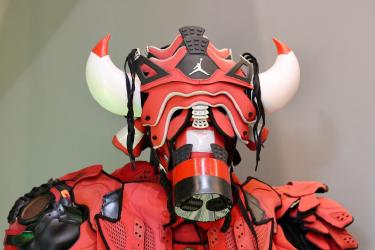
You’ve probably seen those aggressive-looking masks on athletes at the gym. Maybe you’ve wondered if they actually work or if they’re just expensive breathing restrictors. Here’s the deal: hypoxia training has real science behind it, but the results depend entirely on how you use these devices.
This guide walks you through everything you need to know about altitude masks for recovery-what they actually do, how to use them safely, and whether they’re worth your money.
What Hypoxia Masks Actually Do (And Don’t Do)
First, let’s clear up a common misconception. Traditional altitude masks with resistance valves don’t truly simulate altitude. They restrict airflow, making your respiratory muscles work harder. That’s it.
Real altitude training works because the air contains less oxygen-around 20. 9% at sea level versus roughly 15% at 10,000 feet. Your body responds by producing more red blood cells and improving oxygen efficiency.
Newer electronic hypoxia devices actually reduce oxygen concentration in the air you breathe. These create genuine physiological adaptations similar to training at elevation. The price difference is significant though: $30-50 for a resistance mask versus $200-500 for an actual hypoxic training system.
For recovery purposes, intermittent hypoxic training (IHT) shows promise. Brief exposure to reduced oxygen levels may:
- Stimulate erythropoietin (EPO) production naturally
- Increase mitochondrial efficiency
- Enhance blood flow to damaged muscle tissue
- Trigger growth hormone release during rest periods
A 2019 study in the Journal of Sports Science & Medicine found that athletes using controlled hypoxic exposure recovered faster between training sessions. But-and this matters-they used medical-grade equipment with precise oxygen monitoring.
How to Start Hypoxia Training for Recovery
Step 1: Choose Your Equipment Honestly
Be realistic about what you’re buying. A $40 resistance mask trains your breathing muscles. That has value, but don’t expect altitude-like adaptations.
If you want actual simulated altitude, look for:
- Altitude generators that connect to a mask
- Systems with SpO2 monitoring capability
- Devices from brands like Hypoxico, Everest Summit, or AltiPower
Some gyms and training facilities offer hypoxic chambers or tents. A few sessions there might help you decide if this training style works for you before dropping serious cash.
Step 2: Establish Your Baseline
Before any hypoxic training, know your numbers. Pick up a pulse oximeter-they cost about $20 and clip onto your finger.
Your normal blood oxygen saturation (SpO2) should read between 95-100% at rest. During hypoxic training for recovery, you’ll aim to drop this to 88-92% for short intervals. Going below 85% is dangerous without medical supervision.
Also track:
- Resting heart rate (morning, before coffee)
- Heart rate variability if you have a device that measures it
- Subjective recovery scores-rate how you feel 1-10 each morning
These metrics help you see whether hypoxia training actually improves your recovery over weeks and months.
Step 3: Start With Passive Hypoxic Exposure
Don’t jump into training while breathing restricted air. Your first sessions should be passive-sitting or lying down while using the device.
Try this protocol:
- Put on your mask or connect to your altitude system
- Set altitude simulation to 8,000-10,000 feet (if adjustable)
- Breathe normally for 4-5 minutes
- Remove the mask and breathe regular air for 3-4 minutes
Total session time: 30-45 minutes. Do this 3-4 times per week initially.
Watch your SpO2 during exposure. If it drops below 88%, reduce the simulated altitude or take longer breaks between intervals.
Step 4: Progress to Active Recovery Sessions
After 2-3 weeks of passive exposure, add light movement. We’re talking recovery-pace activity-nothing strenuous.
Good options include:
- Walking at 2-3 mph on a treadmill
- Easy stationary cycling (50-60% max heart rate)
- Gentle stretching or mobility work
- Foam rolling
Keep these sessions to 20-30 minutes maximum. The goal isn’t to push your limits. You’re enhancing blood flow while your body adapts to reduced oxygen availability.
One important thing: never do high-intensity work with a hypoxia mask until you’ve built substantial tolerance. Passing out mid-set is a real risk.
Recovery-Specific Protocols
Post-Workout Hypoxic Recovery
Some athletes use hypoxia immediately after training to boost the recovery response. The theory: brief oxygen restriction following exercise amplifies hormonal signals for repair.
Try this within 30 minutes of finishing your workout:
- Cool down normally for 5-10 minutes
- Apply your hypoxia mask at moderate restriction
- Lie down or recline comfortably
- Practice slow, deep breathing-4 seconds in, 6 seconds out
- Continue for 10-15 minutes
Monitor how you feel the next day. Some people find this speeds recovery; others notice no difference. Individual responses vary widely.
Sleep-Adjacent Hypoxic Exposure
Never sleep with a hypoxia mask on. That’s dangerous.
But using one before bed might enhance overnight recovery. Growth hormone release peaks during deep sleep, and some research suggests pre-sleep hypoxic exposure could amplify this.
Do a 15-20 minute passive session about an hour before bed. Keep the intensity low-you want relaxation, not stress. Pair it with your normal wind-down routine.
Common Mistakes to Avoid
**Going too hard, too fast. ** Your body needs time to adapt. Jumping to extreme altitude simulation or long exposure times invites headaches, nausea, and poor sleep.
**Ignoring warning signs. ** Dizziness, confusion, tingling in extremities, or vision changes mean stop immediately. Remove the mask and breathe normal air.
**Using hypoxia on hard training days. ** This tool works for recovery. Adding breathing restriction to already-demanding workouts usually just degrades performance and extends recovery time.
**Expecting miracles. ** Hypoxia training offers marginal gains for most recreational athletes. Elite competitors might see 1-3% improvements. For general fitness folks? Maybe slightly faster recovery between sessions. Maybe.
**Forgetting hydration. ** Hypoxic exposure increases fluid loss through respiration. Drink more water on days you use these devices.
Is It Worth the Investment?
Honest answer: probably not for most people.
If you’re a competitive endurance athlete preparing for events at altitude, legitimate hypoxic training systems make sense. The adaptation benefits are real and well-documented.
For general fitness enthusiasts focused on recovery? The basics matter more. Sleep quality, nutrition timing, stress management, and proper programming will outperform any mask or altitude tent.
That said, some people genuinely enjoy the structure and ritual of hypoxia training. If it motivates you to prioritize recovery and makes you more aware of your body’s signals, there’s value in that.
Quick Troubleshooting Guide
Problem: Headaches after sessions Fix: Reduce exposure time and intensity. Hydrate better. If headaches persist, stop hypoxia training.
Problem: SpO2 drops too fast Fix: Your device may be set too aggressively. Dial back the simulated altitude or use a lower resistance setting.
Problem: No noticeable recovery benefits after a month Fix: Track metrics more carefully. Consider whether basics like sleep are limiting you more than hypoxia could help.
Problem: Claustrophobic feeling with mask Fix: Start with shorter intervals. Practice with the mask off first, just holding it. Gradual exposure usually helps.
Hypoxia masks and altitude training aren’t magic. They’re tools-potentially useful ones if applied correctly, completely worthless if misunderstood or misused. Start conservative, track your data, and let your body tell you whether this approach deserves a place in your recovery routine.