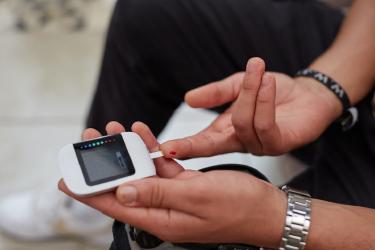
Artificial Sweeteners Linked to Higher Diabetes Risk Study
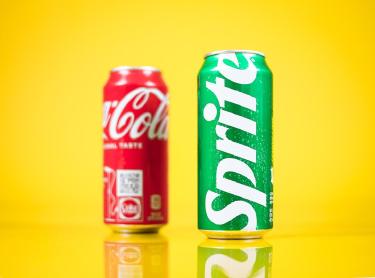
New research is raising serious questions about what many of us consider a “healthier” choice. A growing body of evidence suggests that artificial sweeteners-the zero-calorie alternatives in your diet soda, sugar-free snacks,. Those little packets on coffee shop tables-might actually increase your risk of developing type 2 diabetes.
That’s right. The very products marketed to help you avoid sugar could be pushing your metabolism in the wrong direction.
What the Research Actually Shows
A 2023 meta-analysis published in The BMJ examined data from over 400,000 participants across multiple long-term studies. The findings? Regular consumption of artificially sweetened beverages was associated with a 23% higher risk of type 2 diabetes compared to those who rarely or never consumed them.
But here’s where it gets interesting. This wasn’t just about people who were already overweight reaching for diet drinks. The association held even after researchers controlled for body mass index, physical activity, and overall diet quality.
Dr. Matthew Pase, a researcher at Monash University who studies dietary impacts on metabolic health, puts it bluntly: “We can no longer assume. Replacing sugar with artificial sweeteners is a metabolically neutral swap.
How Artificial Sweeteners May Mess With Your Metabolism
Your body isn’t easily fooled. When you taste something sweet, a cascade of metabolic responses kicks into gear. Insulin starts releasing. Your gut prepares for incoming glucose. Your brain’s reward centers light up.
But when the expected calories never arrive, things get confusing at the cellular level.
Step 1: Understand the Gut Microbiome Connection
Recent studies from the Weizmann Institute of Science found that artificial sweeteners-particularly saccharin, sucralose, and aspartame-alter the composition of gut bacteria within just two weeks of regular consumption. These changes correlated with impaired glucose tolerance in a significant portion of study participants.
What does this mean for you? Pay attention to digestive changes when consuming these products. Bloating, irregular digestion, or changes in appetite could be early warning signs that your gut isn’t responding well.
Step 2: Recognize the Insulin Response Problem
Even though artificial sweeteners contain no actual sugar, research from Washington University School of Medicine shows that sucralose consumption before a glucose tolerance test increased insulin secretion by about 20%. Over time, this pattern may contribute to insulin resistance-the precursor to type 2 diabetes.
Track your energy levels after consuming diet drinks or sugar-free products. That mid-afternoon crash you’re experiencing might not be random.
Step 3: Watch for Increased Cravings
Here’s something counterintuitive. Artificial sweeteners are often 200 to 600 times sweeter than table sugar. Regular exposure can recalibrate your taste preferences, making naturally sweet foods like fruit seem bland. This often leads to seeking out more intensely sweet foods-and eventually, more calories overall.
One practical approach: Try reducing artificial sweetener intake for two weeks and note whether your cravings for sweet foods decrease. Many people report that fruit tastes sweeter and more satisfying after a reset period.
Practical Steps to Reduce Your Risk
Let’s get actionable. You don’t need to eliminate every trace of artificial sweeteners overnight, but strategic reduction makes sense given the current evidence.
Audit Your Daily Intake
Most people significantly underestimate their artificial sweetener consumption. These compounds hide in unexpected places:
- Flavored waters and “zero-calorie” drinks
- Protein powders and bars
- Sugar-free gum and mints
- Many “light” yogurts and dairy products
- Some medications and supplements
- Salad dressings labeled “reduced sugar”
Spend three days reading every label on products you consume. The total often surprises people.
Try Natural Alternatives First
If you’re looking to reduce sugar intake without artificial sweeteners, consider these options:
Stevia comes from a plant and appears to have a more neutral metabolic profile in studies so far, though research is ongoing. Choose pure stevia leaf extract rather than blends that contain other artificial sweeteners.
Monk fruit extract is another plant-derived option showing promise in early research. It’s about 150-200 times sweeter than sugar, so a little goes a long way.
Gradual sugar reduction might actually be the most effective approach. Your taste buds adapt within 2-3 weeks. Coffee that once needed two packets of sweetener often tastes fine with half that amount after an adjustment period.
Rethink Your Beverage Habits
Diet sodas and artificially sweetened drinks are the primary source of these compounds for most Americans. The average diet soda drinker consumes about 24 ounces daily-that’s a lot of artificial sweetener exposure.
Try this two-week experiment:
- Replace one artificially sweetened drink per day with plain or sparkling water
- Add natural flavor with lemon, lime, cucumber, or fresh mint
- If you’re coming off a caffeine habit simultaneously, switch to unsweetened tea or black coffee
Many people report feeling noticeably better within 10 days.
What About Weight Management?
The biggest argument for artificial sweeteners has always been weight control. But the data here is surprisingly mixed.
A 2017 Canadian Medical Association Journal review of 37 studies found that artificial sweeteners were not consistently associated with weight loss. Some observational studies actually showed higher rates of weight gain and metabolic syndrome among regular consumers.
That doesn’t prove causation. People who are already overweight might be more likely to choose diet products. But it does undercut the primary selling point of these additives.
If weight loss is your goal, focus on what’s proven to work: whole foods, adequate protein, regular movement, and sufficient sleep. Swapping sugar for artificial sweeteners appears to be, at best, a marginal intervention with potential downsides.
When to Talk to Your Doctor
Certain groups should discuss artificial sweetener consumption with a healthcare provider:
- Anyone with prediabetes or a family history of type 2 diabetes
- Pregnant or breastfeeding women (some sweeteners cross the placenta)
- People with irritable bowel syndrome or other digestive conditions
- Those taking medications for blood sugar regulation
Your doctor can help weigh the risks and benefits based on your individual health profile.
The Bigger Picture
None of this means you need to panic if you’ve been drinking diet soda for years. The increased risk, while statistically significant, is relative-and your overall lifestyle factors matter enormously.
But the evidence is strong enough to warrant reconsidering daily habits. The science on artificial sweeteners looked clearer a decade ago. Now - it’s more complicated.
The simplest approach is often the most effective: gradually reduce your reliance on intensely sweet flavors, whether from sugar or its substitutes. Your taste buds will adapt - your metabolism might thank you.
And that morning coffee? It probably tastes better than you remember without anything added. Give it two weeks.