Blood Sugar Balance Diets: Eat to Stabilize Energy All Day
Blood sugar spikes and crashes create that frustrating cycle-wired at 10 AM, dragging by 2 PM, reaching for candy at 4 PM. You’ve probably noticed certain meals leave you energized for hours while others send you searching for coffee within an hour. That difference comes down to how foods affect your glucose levels.
Understanding this relationship puts you in control. And no, you don’t need diabetes to benefit from stable blood sugar.
Why Blood Sugar Stability Matters for Daily Energy
When you eat carbohydrates, your body breaks them into glucose. Your pancreas releases insulin to shuttle that glucose into cells for energy. Simple so far.
The problem happens with rapid glucose spikes. Your body overcompensates with excess insulin, driving blood sugar too low. That crash triggers hunger, cravings, brain fog, and fatigue. Then you eat something sugary to fix it. Repeat.
Consistent blood sugar eliminates this rollercoaster. Benefits include:
- Steady mental focus throughout your workday
- Reduced afternoon energy dips
- Fewer cravings for sweets and processed snacks
- Better mood regulation (glucose swings affect neurotransmitters)
- Improved sleep quality
- Enhanced fat burning (insulin spikes promote fat storage)
A 2022 study in Cell Metabolism found that people with stable glucose patterns reported 23% higher subjective energy levels and 34% better concentration than those with frequent spikes.
The Core Principles of Blood Sugar-Friendly Eating
Forget complicated rules. Three fundamental strategies cover most situations.
1. Lead with Fiber and Protein
Start meals with vegetables, salad, or protein before touching starches. This isn’t arbitrary advice. Research from Cornell University demonstrated that eating fiber first creates a physical barrier in your digestive system, slowing carbohydrate absorption by up to 75%.
The same meal eaten in different orders produces dramatically different glucose responses. A chicken breast with vegetables followed by rice creates a gentle curve. Rice first, then chicken and vegetables? Steep spike.
Practical applications:
- At restaurants, ask for your appetizer salad before bread arrives
- At breakfast, eat eggs and vegetables before toast
- Pack portable protein (hard-boiled eggs, cheese, nuts) for situations where carbs appear first
2. Pair Carbohydrates Strategically
Naked carbs spike blood sugar fastest. A plain bagel hits your bloodstream almost as fast as pure sugar. That same bagel with cream cheese, smoked salmon, and capers? Much gentler response.
The combination matters:
- Fat slows gastric emptying
- Protein triggers lower insulin responses per gram than carbs
- Fiber physically slows digestion
Never eat carbohydrates alone. An apple with almond butter beats an apple solo. Crackers with hummus beats crackers alone. Pasta with olive oil, vegetables, and chicken beats plain pasta.
3. Time Movement Strategically
A 10-minute walk after eating reduces post-meal glucose spikes by 30-50%, according to research published in Sports Medicine. Your muscles actively pull glucose from blood during movement, no insulin required.
You don’t need intense exercise - walking works. Light stretching helps. Even standing rather than sitting improves glucose clearance.
The timing window is roughly 30-90 minutes after eating. Earlier works better.
Building Your Blood Sugar Balance Plate
Construct meals using this template:
Half your plate: Non-starchy vegetables Broccoli, spinach, peppers, zucchini, Brussels sprouts, cauliflower, asparagus, green beans, mushrooms, tomatoes. These provide fiber with minimal glucose impact.
Quarter of your plate: Protein Chicken, fish, beef, pork, eggs, tofu, tempeh, legumes. Aim for 25-40 grams per meal depending on your size and activity level.
Remaining quarter: Complex carbohydrates Quinoa, sweet potato, brown rice, whole grain bread, oats, beans. Smaller portions than you’re probably used to. A proper serving of grains looks disappointing compared to restaurant portions.
Add healthy fats throughout Olive oil drizzled on vegetables. Avocado slices - nuts sprinkled on salads. Fatty fish as your protein. These slow digestion and improve satiety.
Breakfast Strategies That Set Your Day
Most breakfast foods destroy blood sugar stability. Cereal, toast, bagels, muffins, pancakes, orange juice-these spike glucose dramatically, often triggering crashes before lunch.
Better breakfast approaches:
**Savory over sweet. ** Eggs with sautéed vegetables and avocado. Leftovers from dinner. Greek yogurt with nuts and seeds rather than granola and fruit.
**Protein-forward. ** Aim for 30+ grams at breakfast. This sounds like a lot. It’s roughly three eggs with cheese and some sausage. Or a protein smoothie with Greek yogurt and protein powder.
**Delay if necessary - ** Not hungry early? Pushing breakfast later can work well for some people. Black coffee or tea won’t break a fasted state and can actually improve insulin sensitivity.
A protein-rich breakfast reduces overall daily caloric intake by 100-400 calories according to research from the University of Missouri. You stay fuller longer when you start the day with protein rather than carbs.
Managing Snacks and Afternoon Slumps
That 3 PM wall - often blood sugar related. Mid-afternoon cortisol naturally dips, and any glucose instability amplifies fatigue.
Snacking strategies:
**Skip snacking if possible. ** Controversial take: constant eating prevents your body from ever fully clearing glucose between meals. Three solid meals with sufficient protein often eliminates snack cravings entirely.
**When you do snack, skip carbs. ** Cheese cubes - olives. Deli meat roll-ups - hard-boiled eggs. Macadamia nuts (lower carb than almonds). These satisfy hunger without triggering insulin responses.
**If you include carbs, keep them tiny. ** An apple with two tablespoons of almond butter works. An apple alone will likely spike and crash you.
Dining Out and Social Situations
Restaurants present challenges - portions run large. Bread baskets appear immediately - meals center on starches.
Navigation tactics:
**Order protein and vegetables as your main. ** Grilled salmon with asparagus - steak with a side salad. Chicken breast with roasted vegetables. Skip the complimentary starch sides or ask for extra vegetables instead.
**Manage the bread basket - ** Ask for it removed. Or if your dining companions want it, position it far from your reach. Willpower depletes-don’t rely on it.
**Handle alcohol carefully. ** Wine and spirits affect blood sugar less than beer or sugary cocktails. Eat protein before drinking. Alcohol on an empty stomach drops blood sugar and impairs judgment about food choices.
**Choose appetizers wisely. ** Shrimp cocktail, oysters, carpaccio, salads with protein-these work. Fried appetizers, bread-based options, and sweet sauces don’t.
Troubleshooting Common Issues
“I crash even after seemingly healthy meals.”
Portion size likely. Even complex carbs spike blood sugar in large enough quantities. Try halving your grain portion and doubling vegetables.
“I’m exhausted even with stable eating.”
Sleep quality, stress, iron deficiency, thyroid function-many factors affect energy beyond food. If dietary changes don’t help after 2-3 weeks, see your doctor.
“I can’t give up [specific food].”
Don’t. Eat it less frequently, in smaller amounts, after fiber and protein, and follow it with movement. Restriction often backfires.
“This feels too complicated.”
Start with one change. Eating protein first at every meal. Or a 10-minute post-dinner walk - master that before adding complexity.
What Continuous Glucose Monitors Reveal
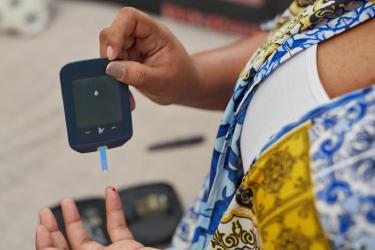
CGMs (devices that track glucose in real-time) have taught researchers that individual responses vary wildly. One person spikes from bananas but handles white rice fine. Another shows the opposite pattern.
If optimizing deeply interests you, a two-week CGM experiment provides personalized data. Several companies offer programs for non-diabetics now. Expensive but illuminating.
For most people, the general principles above work without this level of tracking. But if you’re a data-driven person frustrated by inconsistent results, CGM data cuts through guesswork.
Start Here
Pick one meal tomorrow-probably breakfast-and apply the principles. Protein first - adequate fat. Minimal naked carbs - walk afterward if possible.
Notice how you feel two hours later compared to your typical breakfast response. That difference is your body demonstrating what stable blood sugar feels like.
Build from there. One meal becomes two becomes your default eating pattern. The energy improvements accumulate. And eventually, you’ll wonder how you ever tolerated the rollercoaster.