How to Build Your First Workout Routine From Scratch
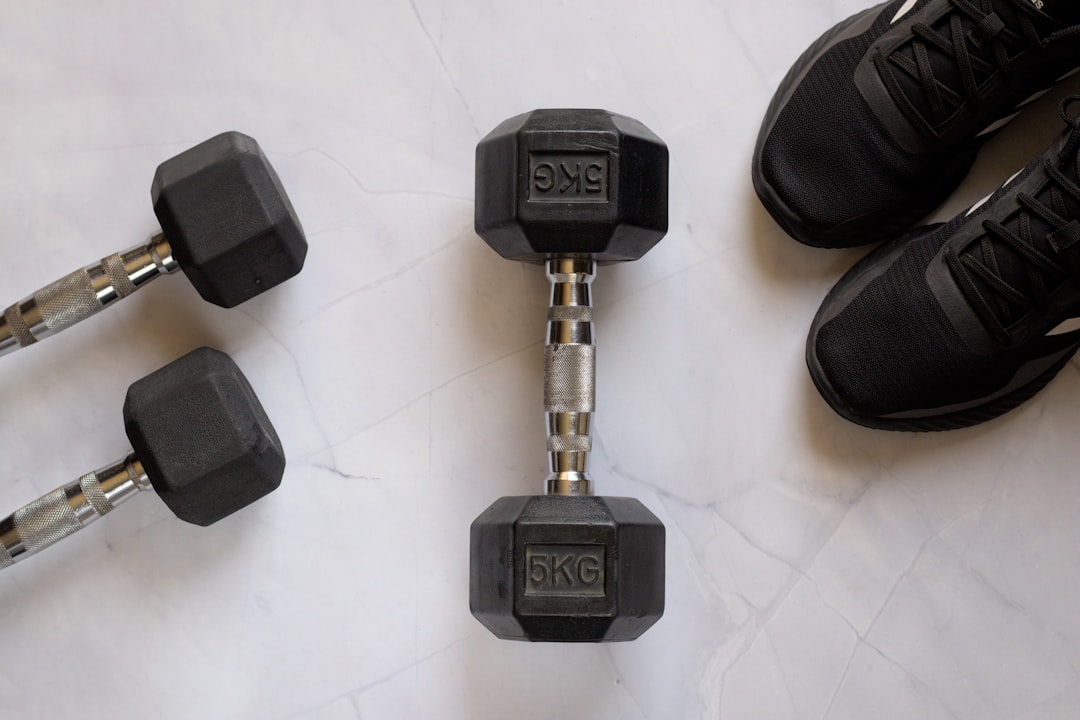
Starting a workout routine feels overwhelming. You’ve probably scrolled through countless fitness apps, watched YouTube tutorials, and maybe even bought equipment that’s now collecting dust. but: most beginners fail not because they lack motivation, but because they skip the fundamentals and jump straight into advanced programs.
This guide walks you through building a sustainable workout routine from zero-no gym membership required, no fancy equipment needed.
Assess Where You’re Starting
Before picking exercises, you need honest answers to three questions:
- **How many days per week can you realistically commit? ** Not ideally - realistically. Two days beats zero days - three is plenty for beginners.
2 - **What’s your current activity level? ** If you’ve been sedentary for months, your starting point looks different than someone who walks daily.
- **Do you have any injuries or limitations? ** Bad knees, lower back issues, shoulder problems-these shape your exercise selection.
Write these down - seriously. People who document their starting point stick with programs 42% longer than those who don’t, according to research from the American Council on Exercise.
Pick Your Training Split
A “split” just means how you organize your workouts across the week. For beginners, simpler works better.
Option A: Full Body (2-3 days/week) Work every major muscle group each session. Rest at least one day between workouts.
Best for: Complete beginners, people with limited time.
Option B: Upper/Lower Split (4 days/week) Alternate between upper body and lower body days.
Best for: Those with more time who’ve exercised somewhat recently.
Option C: Push/Pull/Legs (3-6 days/week) Push movements one day, pull movements another, legs on a third.
Best for: Intermediate folks. Skip this if you’re truly starting from scratch.
Most beginners should choose Option A. Fight the urge to do more. Your body needs recovery time to build strength and adapt.
Select Your Exercises
You don’t need 47 different movements. You need compound exercises-movements that work multiple joints and muscles simultaneously.
Essential Movement Patterns
Every good routine includes these six patterns:
Squat pattern: Bodyweight squats, goblet squats, leg press Hinge pattern: Romanian deadlifts, hip thrusts, kettlebell swings Push (horizontal): Push-ups, bench press, dumbbell press Push (vertical): Overhead press, pike push-ups Pull (horizontal): Rows (dumbbell, cable, or inverted) Pull (vertical): Lat pulldowns, assisted pull-ups, band pull-aparts
Pick one exercise from each category. That’s your routine.
A Sample Beginner Full-Body Workout
- Goblet squats: 3 sets of 10 reps
- Push-ups (on knees if needed): 3 sets of 8-12 reps
- Dumbbell rows: 3 sets of 10 reps each arm
- Romanian deadlifts: 3 sets of 10 reps
- Overhead press: 3 sets of 8 reps
- Plank: 3 sets of 20-30 seconds
Rest 60-90 seconds between sets. The whole thing takes about 35-40 minutes.
Determine Sets, Reps, and Weight
Here’s where most beginners overthink things.
Sets: Start with 2-3 per exercise. That’s enough stimulus for growth without crushing your recovery.
Reps: 8-12 reps hit the sweet spot for building both strength and muscle. If you can do more than 12 easily, increase the weight. If you can’t reach 8 with decent form, decrease it.
Weight selection: Choose a weight where the last 2-3 reps feel challenging but you could still do 1-2 more if absolutely necessary. This is called “reps in reserve” (RIR), and beginners should keep 2-3 RIR.
Don’t chase failure every set. That’s an advanced technique that’ll just leave you too sore to train consistently.
Structure Your Warm-Up
Skipping warm-ups is like driving your car in winter without letting it idle. Things break.
A proper warm-up takes 5-10 minutes:
General movement (2-3 minutes): Light cardio to raise your heart rate. Jumping jacks, marching in place, or a brisk walk.
Dynamic stretching (2-3 minutes): Leg swings, arm circles, hip circles, torso twists. Move through ranges of motion you’ll use in your workout.
Activation sets (2-3 minutes): Do your first exercise with very light weight or just bodyweight for 10-15 reps. Wake up those muscles.
Static stretching-holding stretches for 30+ seconds-happens after your workout, not before. Pre-workout static stretching can actually reduce your strength temporarily.
Plan Your Progression
Doing the same workout forever stops working. Your body adapts - you need progressive overload.
Progression doesn’t always mean adding weight. Try these methods:
- Add one rep per set each week
- Add one set per exercise every 2-3 weeks
- Increase weight by the smallest increment available (usually 5 lbs for upper body, 10 lbs for lower body)
- Slow down your tempo (3 seconds down, 1 second up)
- Decrease rest periods by 10-15 seconds
Track everything - use a notebook or app. Write down exercises, weights, sets, and reps every session. You won’t remember otherwise, and you can’t progress what you don’t measure.
Troubleshoot Common Problems
“I’m too sore to work out again. “ Soreness (DOMS) is worst in the first two weeks. It fades. Light movement actually helps-take a walk or do a gentle yoga session. If soreness lasts beyond 72 hours, you did too much. Scale back.
“I don’t feel anything in the right muscles. “ Slow down - most beginners move too fast. Try a 3-second lowering phase on each rep. Also, doing activation exercises before your main lifts helps. For example, do glute bridges before squats to wake up your glutes.
“I’m not seeing results. “ Results take 4-6 weeks to become visible and 8-12 weeks to become obvious. Are you eating enough protein (0. 7-1g per pound of bodyweight) - are you sleeping 7+ hours? These matter as much as training.
“I get bored. “ Stick with the same routine for at least 4-6 weeks before changing. But within that routine, you can swap exercise variations. Tired of goblet squats - try split squats. Same movement pattern, different feel.
“I missed a workout-should I double up? “ No. Just continue where you left off. One missed session doesn’t ruin your progress. Three months of consistency matters more than perfect attendance.
Build the Habit First
The best workout routine is the one you’ll actually do. Fancy programming means nothing if you quit after two weeks.
Start embarrassingly small. Your only goal for the first month: show up. Even if you just do two exercises and leave, you’ve built the habit of going. Increase from there.
Schedule workouts like appointments. Put them in your calendar with reminders. Morning exercisers are 25% more consistent than evening exercisers, probably because fewer things interfere.
Find your minimum viable workout-the absolute least you can do on a bad day. Maybe it’s three exercises - maybe it’s 15 minutes. Having this fallback prevents all-or-nothing thinking that leads to skipping sessions entirely.
What Comes Next
After 8-12 weeks of consistent training, you’ll need to evolve your approach. But don’t worry about that now. Master the basics first.
Your immediate action steps:
- Choose your training split based on realistic availability
- Pick one exercise from each movement pattern
- Start with 2-3 sets of 8-12 reps
- Schedule your first three workouts this week
The fitness industry profits from making this complicated. It isn’t - squat, push, pull, hinge. Do it consistently - progress gradually. Sleep and eat well. That’s 90% of the game right there.