Cardio vs Strength Training: Finding Your Balance
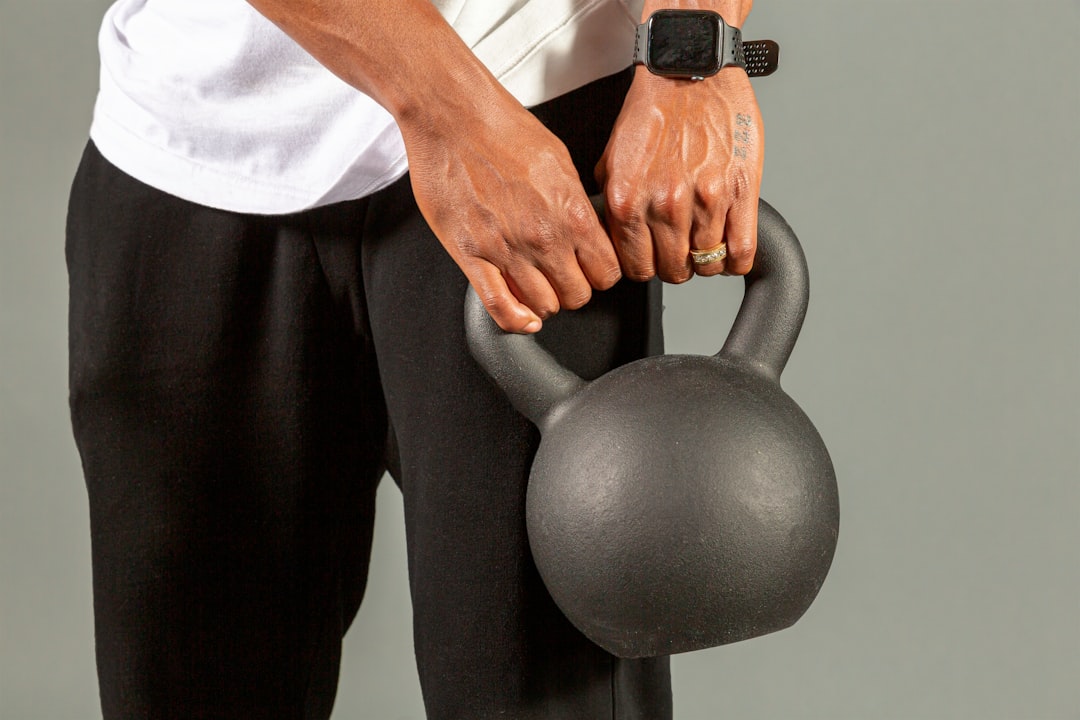
You’ve probably heard the debate a thousand times. Cardio burns fat - strength training builds muscle. Pick a side.
But here’s the deal: that binary thinking misses the point entirely. Your body doesn’t care about gym tribalism. It responds to stress, adaptation, and recovery. Both training types offer unique benefits, and the sweet spot lies in combining them strategically.
Why the Either-Or Mentality Fails You
Too many fitness enthusiasts pick a lane and stay there. Runners run - lifters lift. And both groups quietly judge each other across the gym floor.
This approach creates imbalances. Pure cardio devotees often lose muscle mass as they age, their metabolism slowing despite all those miles logged. Meanwhile, strength-only athletes may develop impressive physiques but struggle climbing three flights of stairs without getting winded.
Your cardiovascular system and musculoskeletal system aren’t competing. They’re teammates - train them like it.
Understanding What Each Training Type Actually Does
Cardiovascular Training
Cardio strengthens your heart muscle. It improves your body’s ability to deliver oxygen to working tissues. Your capillary density increases - your resting heart rate drops. Blood pressure often improves.
Beyond the heart, regular aerobic exercise enhances mood through endorphin release, improves sleep quality, and reduces inflammation markers. The calorie burn during activity is significant-a 150-pound person burns roughly 300 calories during 30 minutes of moderate running.
But cardio alone won’t reshape your body composition dramatically. And excessive amounts can actually break down muscle tissue, especially if you’re not eating enough protein.
Strength Training
Lifting weights (or using bodyweight resistance) creates microscopic tears in muscle fibers. Your body repairs these tears, building back stronger and slightly larger. This process-hypertrophy-is how muscles grow.
The metabolic benefits extend beyond the gym. Muscle tissue burns more calories at rest than fat tissue. Each pound of muscle requires about 6 calories daily just to maintain itself. Fat burns only 2 calories per pound. Build 10 pounds of muscle, and you’ve increased your resting metabolism by 40 calories daily. That adds up over months and years.
Strength training also protects your bones. Resistance exercise stimulates bone density, reducing osteoporosis risk significantly as you age.
Step 1: Assess Your Current Fitness and Goals
Before building your balanced program, get honest about where you stand.
Ask yourself:
- Can you hold a plank for 60 seconds without shaking? - Can you run a mile without stopping? - Do you get winded carrying groceries upstairs? - When was the last time you felt genuinely strong?
Your answers reveal gaps. Someone who can deadlift 300 pounds but can’t jog a mile has obvious cardio deficits. A marathon runner who can’t do 10 pushups needs strength work.
Goals matter too. Training for a 5K requires different programming than preparing for a beach vacation or managing Type 2 diabetes. Write down your top three fitness priorities. This clarity shapes everything that follows.
Step 2: Choose Your Weekly Split
Here are three proven approaches based on your primary goal:
Fat Loss Priority
- 3 days strength training (full body or upper/lower split)
- 2 days moderate cardio (30-45 minutes)
- 1 day high-intensity interval training (HIIT)
- 1 rest day
Strength training preserves muscle while you’re in a calorie deficit. The cardio creates additional energy expenditure. HIIT spikes your metabolism for hours post-workout.
Muscle Building Priority
- 4 days strength training (push/pull/legs split or upper/lower)
- 2 days light cardio (20-30 minutes, low intensity)
- 1 rest day
Keep cardio minimal and easy. You need recovery resources directed toward muscle repair, not endurance adaptation. Walking, light cycling, or swimming work well.
General Health Priority
- 2-3 days strength training (full body)
- 2-3 days cardio (mix of intensities)
- 1-2 rest days
This balanced approach suits most people. You’ll maintain muscle, support heart health, and stay functionally fit for everyday life.
Step 3: Structure Your Individual Workouts
Strength Sessions
Focus on compound movements that work multiple muscle groups:
- Squats (quadriceps, glutes, core)
- Deadlifts (hamstrings, back, grip)
- Bench press or pushups (chest, shoulders, triceps)
- Rows (back, biceps)
- Overhead press (shoulders, triceps, core)
Aim for 3-4 sets of 6-12 repetitions per exercise. Rest 60-90 seconds between sets. A solid strength session takes 45-60 minutes.
Progressive overload drives results - add weight gradually-even 2. 5 pounds matters. If that’s not possible, add reps or sets. Your body adapts to demands placed upon it. Keep demanding more.
Cardio Sessions
Vary your intensity throughout the week:
Low intensity (Zone 2): You can hold a conversation. Heart rate around 60-70% of max. Great for recovery and building aerobic base. Walking, easy cycling, or swimming.
Moderate intensity: Conversation becomes challenging - heart rate 70-80% of max. Traditional “cardio” pace - jogging, elliptical, rowing.
High intensity: Speaking more than a few words is difficult. Heart rate 80-90% of max - intervals, sprints, or circuit training.
Most of your cardio-perhaps 80%-should be low to moderate. High intensity is powerful but taxing. Overdo it, and you’ll burn out or get injured.
Step 4: Sequence Your Training Intelligently
Order matters, especially when combining both types in one session.
If doing both on the same day: Lift weights first. Strength training requires neuromuscular coordination and power output. Fatigue from cardio compromises your form and reduces the weight you can handle. Do your cardio after lifting, or separate them by at least 6 hours.
If alternating days: Put your priority training after rest days when you’re freshest. Place cardio days between heavy lifting sessions to promote blood flow and recovery.
Avoid scheduling conflicts: Don’t do intense cardio the day before heavy leg training. Your legs need recovery time. Similarly, don’t expect a strong upper body workout after a challenging swim session that fatigued your shoulders.
Troubleshooting Common Problems
“I’m not seeing results - “ Check your nutrition. Exercise creates the stimulus, but food provides building blocks. Protein intake (0. 7-1g per pound of bodyweight) supports muscle. Total calories determine weight change. Training hard with poor nutrition wastes effort.
“I keep getting injured. “ You’re probably doing too much too soon. Reduce volume by 20-30% - add more rest days. Ensure you’re warming up properly-5-10 minutes of light movement before intense work.
“I’m always exhausted - “ Overtraining syndrome is real. Signs include persistent fatigue, decreased performance, mood changes, and sleep disturbances. Cut your training volume in half for two weeks. Prioritize sleep - eat enough calories, especially carbohydrates.
“I get bored doing the same thing. “ Variety keeps you engaged - swap exercises every 4-6 weeks. Try new cardio modalities-kayaking, hiking, dance classes. Join a recreational sports league. Boredom kills consistency, and consistency drives results.
Making This Sustainable Long-Term
The best program is the one you’ll actually do. Three mediocre workouts you complete beat five perfect ones you skip.
Start conservatively. If you’re new to combined training, begin with 2 strength sessions and 2 cardio sessions weekly. Add volume gradually as your body adapts. Rushing leads to burnout and injury.
Track your workouts - a simple notebook works fine. Record exercises, weights, reps, and how you felt. Patterns emerge over weeks and months. You’ll see what works and what doesn’t.
Find accountability. A workout partner, trainer, or even an online community keeps you showing up when motivation fades. Motivation is unreliable. Systems and accountability fill the gaps.
Your Action Plan Starting This Week
- Assess your current weaknesses (cardio or strength)
- Choose a weekly split matching your primary goal
- Schedule specific workout days in your calendar
- Start at 70% of what you think you can handle
Balance isn’t about perfection. Some weeks you’ll lean more toward cardio. Others will emphasize strength - life happens. The goal is consistency across months and years, not identical weekly schedules forever.
Your heart and muscles aren’t adversaries. Train them both, and your whole body benefits.