Cold Plunging for Athletic Recovery and Immune System Boost
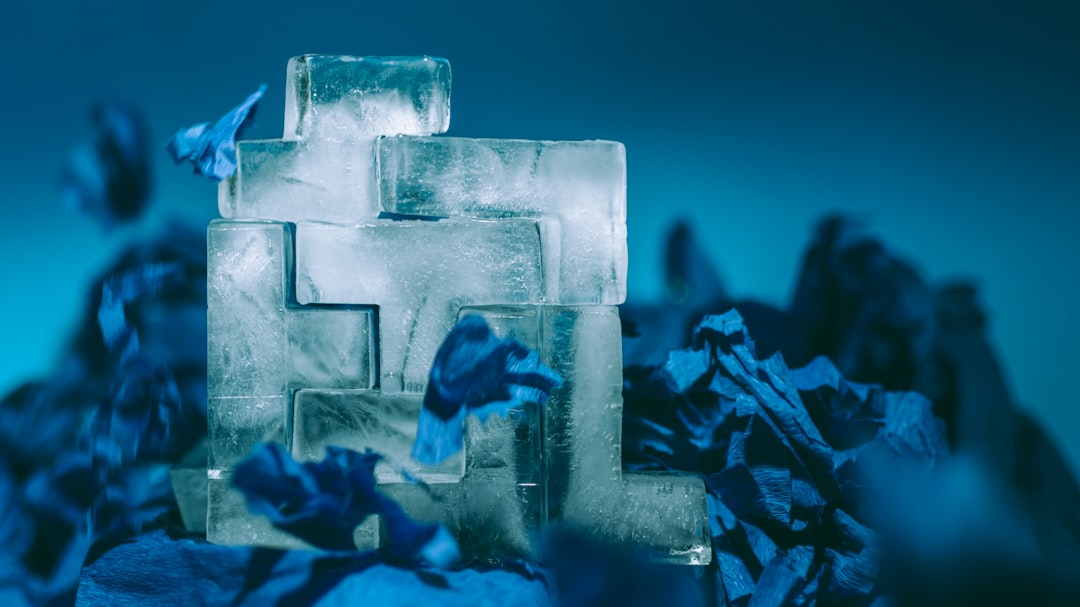
The water hits 50°F and your body screams at you to get out. Every instinct says this is wrong. But somewhere between the initial shock and the 3-minute mark, something shifts. Your breathing steadies - the panic fades. And when you finally step out, you feel more alive than you have all week.
That’s cold plunging in a nutshell-uncomfortable, challenging, and surprisingly addictive once you push through the resistance.
Why Athletes Are Embracing Ice Baths
Professional athletes have used cold water immersion for decades. But the practice has exploded beyond elite sports into mainstream fitness culture. Why?
The science points to several mechanisms. When you submerge in cold water, your blood vessels constrict rapidly. This vasoconstriction reduces blood flow to your extremities and pushes it toward your vital organs. Once you exit the cold, blood rushes back to your muscles, carrying fresh oxygen and nutrients while flushing out metabolic waste products like lactate.
Research from the European Journal of Applied Physiology found that cold water immersion at 50-59°F for 10-15 minutes reduced delayed onset muscle soreness by roughly 20% compared to passive recovery. Not a miracle cure, but meaningful when you’re training hard.
There’s a catch though. If you’re trying to build maximum muscle, timing matters. A 2015 study in the Journal of Physiology showed that cold exposure immediately after strength training can blunt muscle protein synthesis. The inflammation you’re trying to reduce? Part of that signals muscle growth.
The practical takeaway: Save your cold plunges for days focused on endurance, skill work, or active recovery. After heavy lifting sessions, wait at least 4 hours-or skip the plunge entirely that day.
Setting Up Your Cold Exposure Practice
Step 1: Start With Cold Showers
Don’t jump straight into an ice bath. Your body needs time to adapt to cold stress. Begin with the last 30 seconds of your regular shower turned to cold. Do this daily for two weeks.
Gradually extend the cold portion - week three, try 60 seconds. Week four, push to 90. By week six, you should handle 2-3 minutes of cold water without hyperventilating.
This progression builds what researchers call “cold habituation”-your stress response becomes less dramatic over time. Your heart rate won’t spike as severely. Your breathing stays more controlled.
Step 2: Choose Your Cold Plunge Method
You’ve got options at different price points:
Budget approach (under $50): Fill a standard bathtub with cold water and add 20-40 pounds of ice from a convenience store. Water temperature will land around 55-60°F depending on your tap water and ambient temperature.
Mid-range setup ($200-500): A large stock tank or chest freezer conversion works well. Stock tanks hold more water and ice, maintaining temperature longer. Chest freezer conversions require some DIY skills but give you precise temperature control.
Premium option ($3,000-10,000): Purpose-built cold plunge tubs with built-in chillers. Brands like Plunge, Ice Barrel Pro, and Cold Stoic offer plug-and-play solutions. You get consistent temperatures without buying ice constantly.
For most people starting out, the bathtub-plus-ice approach works fine. Upgrade once you’ve committed to the practice for at least three months.
Step 3: Nail Your Protocol
Temperature and duration both matter. Here’s what the research suggests:
For recovery: 50-59°F (10-15°C) for 10-15 minutes. This range consistently shows benefits for reducing muscle soreness and perceived fatigue.
For immune function: Interestingly, slightly warmer temps around 57-68°F with shorter durations (3-5 minutes) may be sufficient to trigger beneficial hormetic stress without overwhelming your system.
For mental clarity and mood: Even brief exposures of 1-3 minutes at cold temperatures trigger norepinephrine release-a neurotransmitter linked to focus, attention, and mood. Cold exposure can increase norepinephrine levels by 200-300%, and these effects persist for hours.
Start conservative. Three minutes at 60°F is plenty for your first real plunge.
Step 4: Master Your Breathing
Your breath is your control center during cold exposure. Most people instinctively gasp and hyperventilate when cold water hits their skin. This triggers your sympathetic nervous system-fight or flight mode.
Instead, try this approach:
- Before entering, take 5-10 slow, deep breaths
- As you enter the water, exhale slowly and deliberately
- Focus on extending your exhale longer than your inhale (4 counts in, 6-8 counts out)
The exhale emphasis activates your parasympathetic nervous system, counteracting the stress response. With practice, you can enter cold water with minimal heart rate elevation.
The Immune System Connection
Here’s where things get interesting. Regular cold exposure appears to influence immune function through several pathways.
A Dutch study followed participants who took cold showers for 30, 60, or 90 seconds daily over 90 days. All cold shower groups reported 29% fewer sick days compared to the control group. The duration didn’t seem to matter much-just the consistency of cold exposure.
Why might this work? Cold stress triggers a mild inflammatory response. Your body produces more white blood cells and increases circulation of immune cells. Think of it like training your immune system the same way you train your muscles-controlled stress followed by adaptation.
Some researchers theorize the norepinephrine boost plays a role too. This hormone modulates immune function and has anti-inflammatory effects throughout the body.
A word of caution: if you’re already fighting an infection or feeling run down, skip the cold plunge. Adding physical stress when your immune system is actively battling something isn’t smart. Cold exposure works best as a preventive practice, not an acute treatment.
Common Mistakes and How to Fix Them
Mistake #1: Going too cold, too fast
Your ego wants to jump into 40°F water on day one. Don’t. Rapid cooling can trigger cardiac arrhythmias in susceptible individuals. Even healthy people can experience cold shock response-sudden gasping, rapid heart rate, and disorientation.
Fix: Follow the progressive adaptation outlined above. There’s no prize for suffering more.
Mistake #2: Staying in too long
More isn’t better. Extended cold exposure (beyond 15-20 minutes) risks hypothermia and doesn’t provide additional recovery benefits. Your core temperature continues dropping even after you exit the water.
Fix: Set a timer. When it goes off, get out. You can always do another session tomorrow.
Mistake #3: Warming up too quickly afterward
Jumping into a hot shower immediately after your plunge feels amazing but may reduce some benefits. The temperature swing can also stress your cardiovascular system unnecessarily.
Fix: Let your body rewarm naturally for 10-20 minutes. Move around gently. Drink something warm if you’d like. Then shower if needed.
Mistake #4: Inconsistent practice
One ice bath per month won’t do much. The benefits accumulate through regular exposure that allows your body to adapt.
Fix: Aim for 3-4 sessions weekly minimum. Daily practice shows the strongest effects in research, but even every other day produces meaningful results.
Building Your Weekly Schedule
Here’s how cold plunging might fit into a typical training week:
Monday (Strength training): Skip the plunge or wait 4+ hours Tuesday (Cardio/conditioning): Cold plunge post-workout, 8-10 minutes Wednesday (Active recovery): Morning cold plunge, 5 minutes, for mood and energy Thursday (Strength training): Skip the plunge Friday (Skill work/light training): Cold plunge post-session, 10 minutes Saturday (Long endurance session): Cold plunge for recovery, 12-15 minutes Sunday (Rest): Optional cold plunge for immune support, 3-5 minutes
Adjust based on your training priorities. The key is consistency without interfering with your primary adaptation goals.
What to Expect Over Time
Your first few weeks will feel rough. The cold shock response is intense. You might dread every session.
Around week 3-4, something changes - your body adapts. The initial gasp response diminishes. You actually start looking forward to how you feel afterward-alert, energized, calm.
By month two or three, cold plunging often becomes non-negotiable. Many practitioners report improved sleep quality, better stress management throughout the day, and faster recovery between training sessions.
The physical benefits compound with the mental ones. There’s something powerful about voluntarily doing hard things. Every plunge builds a small deposit in your mental toughness account.
Start tomorrow - run a cold shower. Thirty seconds - see what happens.