Continuous Glucose Monitors: Track Blood Sugar for Better Gains
You’ve probably seen those sleek arm patches on athletes at the gym or in fitness influencer posts. Those are continuous glucose monitors (CGMs), and they’re no longer just for diabetics. More people are using them to hack their metabolism, improve workouts, and finally understand why that post-lunch energy crash keeps happening.
Here’s the deal: blood sugar is more than about avoiding diabetes. It directly affects your energy levels, recovery time, fat burning, and muscle building. A CGM gives you real-time data on how your body responds to every meal, workout, and even stress. No more guessing.
Why Blood Sugar Matters for Your Gains
Your muscles need glucose for fuel during workouts. Too little, and you’ll feel weak and sluggish. Too much, and your body stores it as fat instead of burning it. The sweet spot (pun intended) is stable blood sugar that doesn’t spike or crash.
Most people eat based on habit or hunger cues, but those signals can be misleading. You might think that protein bar is healthy, but if it spikes your glucose by 40 mg/dL, you’re sabotaging your progress. A CGM shows you exactly what’s happening inside.
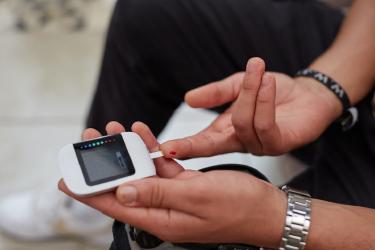
Traditional finger-prick tests only capture a moment in time. CGMs track your levels every 5-15 minutes, 24/7. You’ll see patterns you never knew existed.
Choose the Right CGM for Your Goals
Start by understanding the two main types: prescription medical devices and over-the-counter metabolic trackers.
Medical CGMs like Dexcom G7 or Abbott FreeStyle Libre are FDA-approved for diabetes management. They’re incredibly accurate but usually require a prescription. Some doctors will prescribe them for non-diabetics if you explain your fitness goals, especially if you have prediabetes risk factors.
Metabolic tracking services like Levels, Nutrisense, or Signos bundle a CGM sensor with an app that provides coaching and insights. They’re designed specifically for athletes and health optimization. The catch - they cost $200-400 per month.
Pick based on your budget and how much guidance you want. If you’re data-savvy and just want raw numbers, go medical-grade. If you want interpretation and recommendations, choose a metabolic service.
Apply the Sensor Correctly
Most CGMs attach to your upper arm. The application process takes 30 seconds but mess it up and the sensor won’t last its full 10-14 day lifespan.
Clean the area with an alcohol wipe and let it dry completely. Moisture prevents adhesion. Insert the sensor using the applicator (it’s spring-loaded, so you’ll feel a quick pinch). Press firmly around the edges for 30 seconds.
Don’t place it where your gym bag strap sits or where clothing constantly rubs. I learned this the hard way when my sensor peeled off during a heavy squat session.
Wait 60 minutes for the sensor to calibrate before checking your first reading. Some systems require a separate reader device; others connect directly to your phone via Bluetooth.
Track Your Baseline for One Week
Don’t change anything initially. Eat normally, work out as usual, and just observe. You need baseline data to identify patterns.
Pay attention to these key metrics:
Fasting glucose (when you wake up): Should be 70-100 mg/dL. Higher suggests insulin resistance.
Post-meal spikes: Your glucose should peak within 60-90 minutes after eating, then return to baseline within 2-3 hours. Spikes above 140 mg/dL or slow returns indicate problems.
Variability: How much your levels fluctuate throughout the day. Less is better. High variability means your body struggles to regulate glucose.
Time in range: Percentage of time between 70-120 mg/dL. Aim for 90% or higher.
Log how you feel alongside the numbers. Tired at 3 PM - check your glucose. Brain fog after breakfast - note the spike.
Identify Your Trigger Foods
This is where it gets interesting. Two people can eat identical meals and have completely different glucose responses. Your genetics, gut bacteria, stress levels, and sleep quality all play a role.
Test individual foods by eating them alone, not as part of a mixed meal. Have a banana by itself one morning. Check how high your glucose spikes and how quickly it returns to baseline.
Common surprises people discover:
- Oatmeal (supposedly healthy) can spike glucose higher than ice cream for some individuals
- White rice might be fine for you but murder for your training partner
- Timing matters: the same food eaten at breakfast vs. dinner can produce different responses
- Protein and fat blunt glucose spikes, so adding almond butter to that banana helps
Create a personal food database. Rate each food green (minimal spike), yellow (moderate), or red (avoid before workouts).
improve Pre-Workout Nutrition
You want glucose available for energy but not spiking so high that you crash mid-workout.
Test different pre-workout meals 60-90 minutes before training. A moderate carb meal (30-50g) that raises your glucose to 110-130 mg/dL is ideal. Too low and you’ll fatigue quickly. Too high and you might feel sluggish.
Some people do better with slow-digesting carbs like sweet potato. Others need quick glucose from fruit. Your CGM will tell you which camp you’re in.
Avoid eating right before lifting unless you’re experienced with intra-workout nutrition. A glucose spike during your warmup means a potential crash during your working sets.
For cardio, experiment with fasted vs. fed states. Many people discover they burn more fat with glucose around 85-95 mg/dL compared to 120 mg/dL.
Time Your Post-Workout Meals
After intense exercise, your muscles become insulin-sensitive and eager to absorb glucose. This is your window to eat carbs without spiking too high.
Watch your CGM during workouts. High-intensity training often causes a temporary glucose rise (from adrenaline releasing stored glycogen) followed by a sharp drop. That drop is when you should eat.
Aim to consume protein and carbs within 30-60 minutes post-workout. You’ll likely see a smaller spike than eating the same meal at rest. Your muscles are vacuuming up glucose for recovery.
Test different carb amounts - start with 0. 5g per pound of bodyweight and adjust based on your readings and recovery quality.
Fix Your Sleep Based on Overnight Data
Your glucose levels during sleep reveal a lot about metabolic health. Check your CGM graph each morning.
Healthy overnight patterns show stable glucose between 70-100 mg/dL with minimal fluctuation. If you see spikes at 2 AM, your evening meal was too carb-heavy or eaten too late. If glucose gradually rises throughout the night, you might have insulin resistance developing.
Poor sleep quality causes glucose dysregulation the next day. You’ll notice higher fasting levels and exaggerated responses to meals. This creates a vicious cycle: bad sleep raises glucose, high glucose worsens sleep.
Experiment with evening routines. Stop eating 3 hours before bed. Avoid alcohol (it causes delayed glucose spikes). Try magnesium or tart cherry juice if overnight levels stay elevated.
Troubleshoot Common CGM Issues
Sensor falls off early: Use an adhesive patch (Skin Grip or similar) over the sensor, especially if you sweat heavily.
Readings seem inaccurate: CGMs measure interstitial fluid, not blood, so there’s a 10-15 minute lag. During rapid changes (like post-workout), readings will trail actual blood glucose.
Getting obsessive about numbers: This happens. Set specific check-in times rather than constantly monitoring. Three times daily (morning, pre-workout, evening) is plenty after your initial baseline week.
Arm irritation: Some people react to the adhesive. Try applying a thin barrier like IV Prep wipes before sensor insertion.
Combine CGM Data With Other Metrics
Glucose is one piece of the puzzle. Track it alongside:
- Body composition (weekly measurements)
- Workout performance (weights, reps, endurance)
- Sleep quality (Oura ring, Whoop, or just subjective ratings)
- Mood and energy levels (simple 1-10 daily score)
You’ll start seeing correlations. Better glucose control might correlate with deeper sleep, which correlates with stronger lifts, which correlates with better body composition.
The goal isn’t perfect glucose control. It’s understanding your unique metabolic responses and using that knowledge to perform better.
After 30-60 days of CGM use, most people internalize which foods and habits work for them. You might not need continuous monitoring forever. But that initial data phase is invaluable for cutting through nutrition noise and finding what actually works for your body.