Creatine Beyond Athletes: Brain and Beauty Benefits Emerge
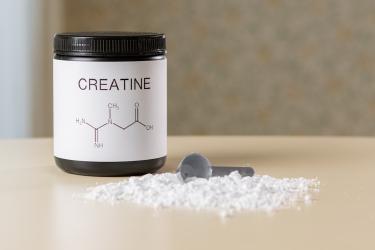
Most people think creatine belongs in a gym bag next to protein powder and pre-workout. That view is outdated.
Research published over the past five years paints a different picture. Scientists now study creatine for cognitive function, skin health, and cellular energy production far beyond muscle tissue. The supplement once reserved for bodybuilders is finding its way into wellness routines for office workers, graduate students, and people who haven’t touched a barbell in years.
What Creatine Actually Does in Your Body
Before jumping into the newer applications, you need to understand the basics. Creatine is a molecule your body produces naturally from amino acids. It stores in muscle tissue primarily, but also in your brain, heart, and other organs.
The mechanism is straightforward. Creatine helps regenerate ATP (adenosine triphosphate), the energy currency your cells use for virtually everything. When ATP depletes during intense activity-physical or mental-creatine phosphate donates its phosphate group to rebuild ATP quickly.
Your body makes about 1-2 grams of creatine daily. You get another 1-2 grams from food, mostly red meat and fish. Supplementation typically adds 3-5 grams daily, which saturates your muscle and brain stores over time.
How Creatine Supports Cognitive Function
Your brain consumes roughly 20% of your body’s energy at rest. That’s a massive demand for an organ weighing about three pounds. When you’re solving complex problems, learning new material, or dealing with sleep deprivation, energy demands spike even higher.
Here’s where supplementation gets interesting.
Step 1: Understand the research area
A 2018 meta-analysis in Experimental Gerontology examined six studies on creatine and cognitive performance. The researchers found measurable improvements in short-term memory and reasoning, particularly under stress conditions like sleep deprivation.
More recent work from 2022 at the University of Sydney showed that creatine supplementation improved cognitive performance in vegetarians and vegans more dramatically than in meat-eaters. This makes sense-people eating little meat have lower baseline creatine levels.
Step 2: Set realistic expectations
Creatine won’t turn you into a genius. The cognitive effects are subtle, showing up most clearly when you’re tired, stressed, or already running at a deficit. Think of it as raising your floor rather than your ceiling.
People who might benefit most:
- Those eating plant-based diets
- Shift workers dealing with irregular sleep
- Students during exam periods
- Older adults experiencing age-related cognitive decline
Step 3: Choose the right form
Creatine monohydrate remains the gold standard. It’s the most studied form with the strongest evidence base. Fancy versions like creatine HCL or buffered creatine cost more without proven advantages.
Look for products with a “Creapure” certification, which indicates pharmaceutical-grade purity manufactured in Germany.
The Emerging Beauty and Skin Connection
This application might surprise you. Skincare companies have started adding creatine to topical products, and the reasoning isn’t entirely marketing fluff.
Skin cells need energy too. Fibroblasts-the cells producing collagen and elastin-require ATP to function properly. As we age, cellular energy production declines, contributing to reduced collagen synthesis and slower wound healing.
Step 1: Evaluate the evidence honestly
The research here is thinner than the cognitive studies. A 2005 study in the Journal of Investigative Dermatology found that topical creatine reduced wrinkle formation and sagging in human subjects over six weeks. Another study showed improved collagen gene expression in cell cultures.
But here’s the limitation: most evidence comes from cell studies or small human trials. We don’t have the large-scale research that exists for creatine’s muscle benefits.
Step 2: Consider oral versus topical delivery
Oral creatine supplementation increases creatine levels throughout your body, including skin tissue. Whether this translates to visible skin benefits remains unclear, but the theoretical mechanism exists.
Topical creatine faces absorption challenges. The molecule is hydrophilic (water-loving) and doesn’t penetrate skin easily. Some formulations use penetration enhancers to improve delivery.
Step 3: Be skeptical of dramatic claims
Any product promising “revolutionary” anti-aging results from creatine alone is overselling. At best, creatine is a supporting player in skin health-not a miracle ingredient.
Practical Supplementation Guidelines
Ready to try creatine beyond the gym? Follow these steps.
Dosing protocol
You have two options:
Loading phase (optional): Take 20 grams daily split into four doses for 5-7 days, then drop to 3-5 grams daily. This saturates your stores quickly.
Slow approach: Take 3-5 grams daily from the start. You’ll reach saturation in about 3-4 weeks instead of one week.
Both methods end at the same place. The loading phase just gets you there faster. Most people skip loading because the high doses can cause bloating and digestive discomfort.
Timing considerations
Timing doesn’t matter much for creatine. Unlike caffeine or pre-workout supplements, creatine works through saturation, not acute effects. Take it whenever you’ll remember consistently.
Some research suggests taking creatine with carbohydrates improves uptake slightly. Mixing your creatine into a meal works fine.
Hydration matters
Creatine draws water into cells. You need adequate hydration to support this process and avoid potential cramping. Aim for an additional 16-24 ounces of water daily when supplementing.
What to expect
Weight might increase by 2-4 pounds initially from water retention in muscles. This isn’t fat gain-it’s intracellular water. Some people find this concerning; others barely notice.
Cognitive effects, if present, typically appear after 2-4 weeks of consistent supplementation. Don’t expect dramatic changes. You might notice slightly better focus during afternoon slumps or improved recall when tired.
Who Should Skip Creatine
Creatine is remarkably safe for healthy adults. Decades of research support this.
People with kidney disease: Healthy kidneys handle creatine fine. Damaged kidneys may struggle with the additional load. Consult your doctor.
Those taking nephrotoxic medications: Some medications stress the kidneys. Adding creatine could compound issues.
Adolescents: While probably safe, less research exists for teenagers. Most experts recommend waiting until adulthood.
The Bottom Line on Non-Athletic Applications
Creatine beyond athletics isn’t hype-there’s legitimate science here. The cognitive benefits have reasonable evidence, particularly for people with lower baseline creatine levels. The beauty applications are more speculative but physiologically plausible.
That said, manage expectations. Creatine won’t replace good sleep, proper nutrition, or proven skincare ingredients. It’s a supplement, not a solution.
If you’re curious, a one-month trial costs little and carries minimal risk for healthy adults. Track how you feel during mentally demanding tasks. Notice any differences in afternoon energy or memory under stress.
And if you notice nothing - that’s fine too. Not every supplement works equally for everyone. The beauty of creatine is that the downside of trying it is essentially zero-just a few dollars and some consistent powder scooping.
Start simple - give it a month. See what happens.