Creatine Beyond Bodybuilding: Benefits for Everyday Athletes
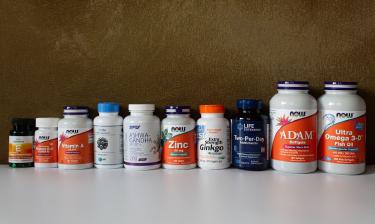
You’ve probably seen creatine stacked on supplement store shelves, sandwiched between massive tubs of protein powder and pre-workout formulas. The branding screams bodybuilding - muscular figures flexing. Promises of gains.
But but: creatine is more than for people chasing bicep peaks or deadlift PRs. If you play weekend soccer, take spin classes, go hiking, or simply want more energy during your workouts, creatine might be one of the most underrated tools in your fitness toolkit.
What Creatine Actually Does in Your Body
Creatine is a compound your body already makes. Your liver, kidneys, and pancreas produce about 1-2 grams daily from amino acids. You also get it from food-mainly red meat and fish.
Once creatine reaches your muscles, it converts to phosphocreatine. This molecule acts like a rapid-fire energy reserve. When you sprint, jump, or push through that last set of squats, your muscles burn through ATP (adenosine triphosphate) fast. Phosphocreatine steps in to regenerate ATP quickly, giving you a few extra seconds of high-intensity output.
That’s the biochemistry - in practical terms? You can push a little harder before fatigue hits.
Step 1: Determine If Creatine Fits Your Goals
Not everyone needs supplementation. Ask yourself these questions:
**Do you do any high-intensity activity? ** This includes interval training, team sports, CrossFit-style workouts, or resistance training. Creatine shines during short bursts of effort lasting 10-30 seconds.
**Are you trying to improve recovery between sessions? ** Research published in the Journal of the International Society of Sports Nutrition shows creatine can reduce muscle damage and inflammation after exercise. If you’re training 3-5 times per week, faster recovery matters.
**Do you eat much red meat or fish? ** Vegetarians and vegans typically have lower baseline creatine stores. Supplementation often produces more noticeable effects for plant-based athletes.
If you answered yes to any of these, creatine is worth considering.
Step 2: Choose the Right Form
The supplement industry loves complicating things. You’ll find creatine hydrochloride, creatine ethyl ester, buffered creatine, and about a dozen other variations. Marketing claims abound.
Ignore most of it.
Creatine monohydrate remains the gold standard. It’s the most researched form, with over 500 peer-reviewed studies backing its safety and effectiveness. It’s also the cheapest option-typically $15-25 for a 2-3 month supply.
Those fancy alternatives? Most haven’t proven superior in controlled trials. Some cost 3-4 times as much. Save your money.
One practical tip: micronized creatine monohydrate dissolves better in water. Regular monohydrate works fine but tends to be gritty. Either version delivers the same results.
Step 3: Get Your Dosing Right
You’ll encounter two approaches: loading and no-loading.
The loading protocol involves taking 20 grams daily (split into 4 doses of 5 grams) for 5-7 days. This saturates your muscles faster. After loading, you drop to a maintenance dose of 3-5 grams daily.
The no-loading approach skips the initial phase entirely. You simply take 3-5 grams daily from day one. Your muscles reach full saturation in about 3-4 weeks instead of one week.
Which should you pick - loading isn’t necessary. It just gets you there faster. Some people experience bloating or stomach discomfort during the loading phase because of the high doses. If you’re patient, the gradual approach works equally well.
For most everyday athletes, 3-5 grams daily does the job. Take it consistently-timing doesn’t matter much. Some research suggests post-workout might have a slight edge for absorption, but the difference is marginal. Pick a time you’ll remember.
Step 4: Set Realistic Expectations
Creatine isn’t magic. Understanding what it can and can’t do prevents disappointment.
What you’ll likely notice:
- 5-15% improvement in high-intensity exercise performance
- Faster recovery between sets or intervals
- Gradual increase in lean muscle mass (typically 1-2 kg over several weeks)
- Better training quality over time, leading to more consistent progress
What creatine won’t do:
- Burn fat directly
- Replace proper training and nutrition
- Work overnight
- Help much with pure endurance activities like marathon running
That initial weight gain people mention? It’s water. Creatine pulls water into muscle cells, which is part of how it works. This isn’t fat gain. Most people see 1-3 pounds of water weight in the first week or two, then it stabilizes.
Step 5: Address Common Concerns
“Will it hurt my kidneys?”
This worry persists despite decades of research. In healthy individuals, creatine supplementation at recommended doses shows no negative kidney effects. A 2018 meta-analysis in the Journal of the International Society of Sports Nutrition reviewed 12 studies and found no adverse renal outcomes.
That said, if you have pre-existing kidney disease, talk to your doctor first. The kidneys process creatine’s byproduct (creatinine), so existing conditions warrant medical guidance.
“Should I cycle off?”
No evidence supports the need to cycle creatine. Your body doesn’t build tolerance to it. Long-term studies lasting up to 5 years show continued safety and effectiveness. Take it consistently or stop entirely-cycling provides no additional benefit.
“Will I lose my gains if I stop?”
Your muscle creatine stores gradually return to baseline over 4-6 weeks after stopping supplementation. Any strength or muscle you built through better training remains-assuming you keep training. You might drop the water weight, which can feel discouraging, but actual muscle tissue doesn’t disappear.
Practical Applications for Different Activities
Team sports (soccer, basketball, hockey): These involve repeated sprints with short recovery periods. Creatine helps maintain power output across multiple bursts. Research on soccer players shows improved sprint performance in the second half of matches.
HIIT and circuit training: The rest-pause nature of interval work aligns perfectly with creatine’s mechanism. You’ll likely notice you can maintain intensity deeper into workouts.
Recreational lifting: Even if you’re not chasing strength records, creatine supports better workout quality. More productive sessions over months add up.
Hiking and outdoor activities: Less directly beneficial for steady-state efforts, but helpful if your activities include steep climbs, scrambling, or carrying heavy packs. The leg power demands during technical sections benefit from improved phosphocreatine availability.
Troubleshooting Common Issues
Stomach upset during loading: Drop to the maintenance dose immediately. Gradual saturation causes zero digestive issues for most people.
Not dissolving well: Use warm water, stir thoroughly, or switch to micronized powder. You can also mix it into smoothies or protein shakes.
Not noticing effects: Give it at least 4 weeks at consistent dosing. Some people respond more dramatically than others-this is genetic. Non-responders exist but are relatively rare (about 20-30% of the population shows minimal response).
Weight gain concerns: Remember, initial weight is water in muscles, not fat. If you’re tracking body composition, focus on measurements and how clothes fit rather than scale weight alone.
The Bottom Line
Creatine is one of the few supplements with strong scientific backing. It’s cheap, safe for healthy adults, and genuinely improves high-intensity performance. The bodybuilding industry co-opted it, but the benefits extend far beyond aesthetics.
If you train with any intensity-if you’re a weekend warrior, fitness class regular, or recreational athlete-3-5 grams of creatine monohydrate daily is worth trying. Track your workouts, give it a month, and see if you notice improved performance or recovery.
No supplement replaces consistent training and reasonable nutrition. But creatine can make your efforts count for a bit more. And for something this affordable and well-researched, that’s a worthwhile addition to most fitness routines.