Fermented Foods Revolution: Probiotics Beyond Yogurt
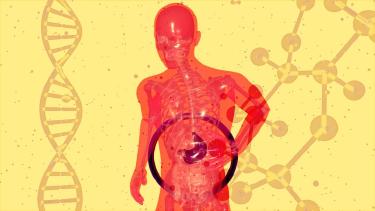
Your gut houses trillions of bacteria that directly impact your digestion, immune system, and even mental health. Fermented foods deliver live probiotics that strengthen this microscopic system-but most people stop at yogurt when dozens of powerful options exist.
This guide shows you how to incorporate diverse fermented foods into your diet, explains what makes each one unique, and helps you troubleshoot common fermentation challenges.
Why Fermentation Beats Probiotic Pills
Fermented foods contain living microorganisms that survive your stomach acid and colonize your gut. Unlike supplements with isolated strains, whole fermented foods provide:
- Multiple bacterial species working together
- Prebiotics (fiber) that feed beneficial bacteria
- Bioavailable nutrients created during fermentation
- Natural food matrix that protects probiotics during digestion
Research shows that people who eat fermented foods regularly have greater microbial diversity than supplement users. More diversity means better resilience against infections and inflammation.
Start With These Five Fermented Staples
1. Kefir: The Probiotic Powerhouse
Kefir contains 30-50 bacterial strains compared to yogurt’s 2-7. This drinkable fermented milk has a tangy taste similar to thin yogurt.
How to use it:
- Drink 4-8 ounces daily on an empty stomach
- Blend into smoothies with berries and greens
- Use as buttermilk substitute in baking
- Make overnight oats by soaking oats in kefir instead of milk
Pro tip: Look for plain, unsweetened varieties with live cultures listed on the label. Flavored versions often contain enough sugar to negate probiotic benefits.
Troubleshooting: If kefir causes bloating initially, start with 2 ounces daily and gradually increase over two weeks as your gut adapts.
2. Kombucha: Fermented Tea With Fizz
This fizzy drink combines black or green tea with sugar and a SCOBY (symbiotic culture of bacteria and yeast). The fermentation process creates B vitamins, organic acids, and enzymes.
How to use it:
- Drink 4-8 ounces with meals to aid digestion
- Choose varieties with less than 5g sugar per serving
- Try it as a soda replacement-the carbonation satisfies fizz cravings
Watch out: Commercial kombuchas vary wildly in quality. Skip brands with added juice or sweeteners after fermentation. The ingredient list should show: tea, sugar, cultures, natural flavoring (optional).
3. Kimchi: Korean Spice With Serious Benefits
Fermented napa cabbage with garlic, ginger, and Korean chili flakes delivers Lactobacillus bacteria along with vitamins A, B, and C.
How to use it:
- Add 1-2 tablespoons to rice bowls or grain salads
- Top scrambled eggs or omelets
- Mix into mayo for probiotic sandwich spread
- Eat it straight as a side dish with meals
Key point: Heat kills probiotics, so add kimchi to dishes after cooking or eat it cold.
4. Sauerkraut: Simple But Effective
Fermented cabbage contains high levels of Lactobacillus plantarum, which studies link to reduced inflammation and improved gut barrier function.
How to use it:
- Pile onto sandwiches and wraps
- Mix into potato salad or coleslaw
- Serve alongside sausages and roasted meats
- Eat 2-3 forkfuls with fatty meals to aid digestion
Critical mistake to avoid: Most grocery store sauerkraut is pasteurized (heat-treated), which destroys probiotics. Look for refrigerated brands labeled “raw” or “unpasteurized” in the produce section.
5. Miso: Fermented Soybean Paste
This Japanese staple contains Aspergillus oryzae (koji) plus lactic acid bacteria. Darker misos ferment longer and provide more complex flavors and probiotics.
How to use it:
- Stir into warm (not boiling) water for instant soup
- Whisk into salad dressings and marinades
- Spread on roasted vegetables before serving
- Mix with butter for compound butter that adds umami to everything
Temperature matters: Add miso to soups and dishes after removing from heat. Boiling temperatures above 115°F kill beneficial bacteria.
Build Your Fermentation Routine
Week 1-2: Choose one fermented food and eat a small serving daily. this lets your gut microbiome to adjust without overwhelming your system.
Week 3-4: Add a second fermented food. Aim for two different foods daily-for example, kefir at breakfast and kimchi at lunch.
Week 5+: Rotate through 4-5 different fermented foods throughout the week. Variety exposes your gut to more bacterial strains.
Sample day:
- Breakfast: Smoothie with kefir and berries
- Lunch: Sandwich with sauerkraut
- Dinner: Miso soup or rice bowl with kimchi
- Snack: Kombucha mid-afternoon
Make Your Own: Beginner-Friendly Sauerkraut
Store-bought fermented foods work great, but homemade versions give you control over ingredients and save money.
What you need:
- 1 medium cabbage (about 2 pounds)
- 1 tablespoon sea salt (not iodized-iodine inhibits fermentation)
- 1 quart mason jar
- Smaller jar or fermentation weight
Steps:
- Slice cabbage into thin strips, discarding the core
- Massage cabbage with salt in a large bowl for 5-10 minutes until it releases liquid and becomes wilted
- Pack tightly into jar, pressing down to remove air bubbles. Cabbage should be fully submerged in its own liquid
- Weight it down with a smaller jar filled with water or a clean fermentation weight. Cover loosely with a cloth
- Ferment at room temperature (65-75°F) for 3-10 days, pressing down daily to keep cabbage submerged
- Taste after day 3, then daily until it reaches your preferred tanginess
- Refrigerate once fermented to your liking.
Common issues:
- Not enough liquid: Add 2% brine (1 tsp salt per cup water) to cover cabbage
- White film on top: This is kahm yeast, harmless but remove it and ensure cabbage stays submerged
- Slimy texture: Likely too warm or contaminated-discard and start over with clean equipment
Watch For These Signs Your Gut Is Improving
After 2-4 weeks of consistent fermented food intake, you should notice:
- More regular bowel movements
- Less bloating after meals
- Fewer sugar cravings (probiotics reduce opportunistic yeast)
- Better energy levels, especially mid-afternoon
- Clearer skin (gut health directly affects skin inflammation)
Give it at least a month before judging results. Your microbiome needs time to shift.
When Fermented Foods Might Not Work
Some people experience persistent digestive issues despite eating probiotics. This happens when:
SIBO (small intestinal bacterial overgrowth) is present: Fermented foods can worsen symptoms. Get tested if you have chronic bloating, gas, and constipation.
Histamine intolerance exists: Fermentation produces histamine, which causes headaches, flushing, or digestive distress in sensitive individuals. Try low-histamine options like fresh sauerkraut (fermented less than 1 week).
You’re on antibiotics: Wait until finishing your course before adding fermented foods back. Antibiotics kill both bad and good bacteria.
Beyond the Basics: Advanced Fermented Options
Once you’ve mastered the five staples, explore these:
- Natto: Fermented soybeans with vitamin K2 for bone health (acquired taste due to sticky texture)
- Kvass: Fermented beet or rye drink, traditional in Eastern Europe
- Tempeh: Fermented soybean cake, excellent protein source with firm texture
- Water kefir: Dairy-free alternative using sugar water and kefir grains
- Fermented pickles: Lacto-fermented (not vinegar-pickled) cucumbers in brine
The Bottom Line
You don’t need exotic supplements to support gut health. Fermented foods provide probiotics the way nature intended-alive, diverse, and embedded in whole foods your body recognizes.
Start with one fermented food this week. Eat it daily for two weeks. Then add another. Within a month, you’ll have a sustainable routine that supports your microbiome naturally.
Your gut-and your immune system, digestion, and energy levels-will thank you.