Glucose Monitors for Non-Diabetics: Worth the Investment
You’ve probably seen fitness influencers posting glucose graphs from their arm sensors. Or maybe a friend who’s into biohacking won’t stop talking about their CGM data. These continuous glucose monitors, originally designed for diabetics, have crossed over into the wellness world. But should you actually spend $150-300 per month to track something that’s probably fine?
Let me walk you through what these devices actually do, who genuinely benefits, and how to decide if the investment makes sense for your goals.
What a CGM Actually Measures
A continuous glucose monitor is a small sensor-usually worn on your upper arm or abdomen-that checks your interstitial glucose levels every few minutes. This isn’t quite the same as blood glucose. There’s a 10-15 minute lag because the sensor reads fluid between cells rather than blood directly.
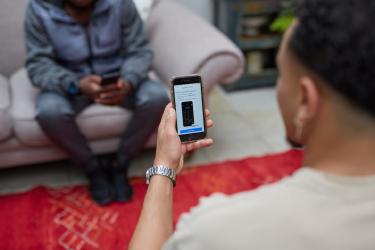
The device syncs to an app on your phone, creating a continuous line graph of your glucose throughout the day. You see spikes after meals, dips during exercise, and the overnight patterns while you sleep.
For diabetics, this data is medically necessary. They need real-time feedback to dose insulin correctly and avoid dangerous highs or lows. For everyone else - the value is murkier.
Why Non-Diabetics Are Interested
The wellness pitch goes something like this: even if your glucose is technically normal, you might be experiencing suboptimal patterns. Big spikes followed by crashes could be affecting your energy, focus, and long-term metabolic health. By seeing exactly how your body responds to different foods, you can improve your diet.
There’s some logic here. Research does show that glucose variability-how much your levels swing throughout the day-correlates with cardiovascular risk factors independent of average glucose levels. And people with identical A1C results can have wildly different glucose patterns.
But here’s what the marketing often glosses over: most healthy people’s glucose stays in a pretty tight range regardless of what they eat. Your body is genuinely good at this regulation thing. That bagel might spike you to 140 mg/dL, but you’ll be back to baseline within an hour or two. Is that spike actually harmful? The evidence for non-diabetics is thin.
Step 1: Assess Whether You Have a Real Problem to Solve
Before spending money on monitoring equipment, ask yourself some honest questions.
Do you experience energy crashes that affect your daily function? Not just normal afternoon tiredness-actual crashes where you can barely keep your eyes open 90 minutes after lunch.
Have blood tests shown any warning signs? Fasting glucose creeping above 100, A1C in the prediabetic range (5. 7-6 - 4%), or elevated fasting insulin.
Are you trying to lose weight and hitting plateaus despite consistent effort? Some research suggests that personalized carbohydrate responses might explain why generic diet advice fails for certain people.
If you answered yes to any of these, a CGM trial might provide useful data. If everything’s fine and you’re just curious, that’s okay too-just recognize you’re paying for education rather than solving a problem.
Step 2: Choose Your Entry Point
You have several options, ranging from affordable experiments to full biohacking setups.
The one-month experiment ($150-200): Services like Levels, Signos, or Nutrisense offer monthly subscriptions that include the sensor and an app with educational content. One month gives you enough data to learn your basic patterns. Try it, gather insights, then cancel.
The clinical route ($50-100 or covered by insurance): Ask your doctor about a 14-day trial. Some will prescribe a Freestyle Libre or Dexcom for diagnostic purposes if you have risk factors. Insurance might cover part of it. This approach lacks the fancy app features but gives you the raw data.
The ongoing tracking commitment ($200-400/month): If you’re serious about optimization and have the budget, continuous monitoring over several months lets you test interventions systematically. Most people don’t need this.
Step 3: Design Useful Experiments
Wearing a sensor without a plan gives you data but not insight. Before you stick that thing on your arm, decide what questions you want to answer.
Food comparison tests: Eat the same breakfast for three days. On day four, swap one variable. White rice versus brown rice. Banana alone versus banana with almond butter. Oatmeal with sugar versus oatmeal with berries. Note not just the peak glucose but how long until you return to baseline.
Meal timing experiments: Does eating your largest meal at lunch versus dinner change your patterns? What about eating the same meal at 6 PM versus 9 PM?
Exercise observations: Check glucose before and after different workout types. Strength training and cardio affect glucose differently. So does workout timing relative to meals.
Sleep correlation tracking: Poor sleep reliably worsens glucose control. Use your CGM data alongside sleep tracking to see if this relationship shows up for you.
Write down your hypotheses before testing them. Otherwise you’ll just have a bunch of squiggly lines and vague conclusions.
Step 4: Interpret the Data Without Obsessing
Here’s where things get tricky. CGMs generate constant data, and humans are pattern-seeking creatures. You’ll start seeing meaning everywhere-some of it real, some of it noise.
A few reality checks:
**Normal glucose ranges are wider than apps suggest. ** Many wellness apps flag anything over 120 mg/dL as concerning. But healthy people regularly hit 140-160 after high-carb meals. This isn’t pathological; it’s normal physiology.
**Single data points mean nothing. ** Your glucose spiked to 155 after that sushi roll? Okay. Did it happen every time you ate sushi? Did it stay elevated for hours? One spike is meaningless - patterns matter.
**The sensor isn’t perfectly accurate. ** CGMs have about a 10% margin of error. If it says 95, your actual glucose might be anywhere from 85-105. Don’t make decisions based on tiny differences.
**Stress and sleep matter more than you think. ** A bad night’s sleep will worsen your glucose response to everything the next day. Relationship stress can spike glucose without any food involved. Don’t blame the sandwich when the real culprit is your inbox.
Step 5: Act on What You Learn
Data without behavior change is entertainment. Once you’ve identified patterns, actually do something with them.
Maybe you discover that your usual breakfast-orange juice and a muffin-sends you to 170 mg/dL and leaves you crashing by 10 AM. Great, now you know. Switch to eggs and vegetables, confirm the improvement, and move on. You don’t need a CGM forever to eat eggs.
Common actionable findings from CGM experiments:
- Adding protein or fat to carbohydrate meals dramatically flattens spikes
- A 10-minute walk after eating reduces peak glucose by 20-30%
- Certain foods you assumed were healthy (fruit juice, instant oatmeal) hit you harder than expected
- Eating the same meal earlier in the day produces better glucose response than eating it at night
- Your favorite “cheat” foods might not actually be as bad as you feared
The goal isn’t glucose perfection. It’s gathering enough information to make smarter default choices, then getting on with your life.
Who Should Skip This Entirely
CGMs aren’t right for everyone, and for some people they’re actively counterproductive.
If you have a history of eating disorders or obsessive tendencies around food, real-time monitoring can fuel unhealthy behaviors. The constant feedback loop, the gamification of keeping numbers low, the anxiety about spikes-this is not a healthy tool for everyone.
If you’re already eating reasonably well and have no metabolic concerns, the ROI approaches zero. You’ll spend months discovering that your glucose is… fine. Which is good news, but expensive confirmation.
If budget is tight, the money probably goes further elsewhere. A gym membership, quality food, or a few sessions with a registered dietitian will likely improve your health more than a glucose sensor.
The Bottom Line
Continuous glucose monitors can provide genuinely useful insights for non-diabetics-but the value is front-loaded. Most of what you’ll learn, you’ll learn in the first month. The dramatic discoveries happen early. After that, you’re mostly confirming what you already figured out.
Try a one-month experiment if you’re curious and can afford it. Design specific tests, gather insights, make changes, then cancel. You don’t need to become a permanent subscriber to benefit from the technology.
And if your glucose data comes back boring? That’s actually the best possible outcome. It means your body is doing exactly what it’s supposed to do. Sometimes the most valuable data is the data that tells you to stop worrying and go live your life.