Healthy Snacks That Support Your Fitness Goals
You just crushed a workout. Your muscles are screaming, your energy’s depleted, and you’re staring into the fridge wondering what won’t undo all that hard work. Sound familiar?
Picking the right snacks can make or break your fitness progress. Eat the wrong things and you’ll spike your blood sugar, crash hard, and store fat. Choose wisely and you’ll recover faster, build more muscle, and actually have energy for tomorrow’s session.
This guide breaks down exactly what to eat, when to eat it, and why it matters for your specific goals.
Understanding What Your Body Actually Needs
Before grabbing that protein bar, understand this: your snack needs depend entirely on your timing and goals.
Pre-workout snacks need fast-digesting carbs and moderate protein. You want fuel that’s available quickly without sitting heavy in your stomach. Think banana with a tablespoon of almond butter, or a small handful of dried fruit with a few nuts.
Post-workout snacks require a different approach. Your muscles have depleted their glycogen stores and developed micro-tears that need repair. Now you want a 3:1 or 4:1 ratio of carbs to protein. Greek yogurt with berries hits this perfectly.
Between-meal snacks should emphasize protein and healthy fats to maintain stable blood sugar and keep you satisfied. This is where hard-boiled eggs, cottage cheese, or a small portion of nuts shine.
but most people miss: portion control matters even with healthy foods. A quarter cup of almonds has about 200 calories. Mindlessly snacking through a whole bag while watching TV? That’s easily 800+ calories of “healthy” food working against your goals.
Step-by-Step Guide to Building Better Snacking Habits
Step 1: Audit Your Current Snacks
Grab a piece of paper. Write down everything you snacked on in the past three days. Be honest-that handful of M&Ms from your coworker’s desk counts.
Now look at each item and ask:
- Does this have protein? - Are the carbs complex or simple? - How processed is it? - Did I actually need this or was I bored?
Most people discover their snacks are carb-heavy, highly processed, and eaten out of habit rather than hunger. That’s useful information.
Step 2: Stock Your Environment for Success
You will eat what’s available - period.
Clear out the processed stuff - yes, all of it. Those crackers aren’t doing you any favors.
- Raw vegetables (pre-cut for convenience)
- Hummus or guacamole in single-serve containers
- Hard-boiled eggs (prep a batch on Sunday)
- Plain Greek yogurt
- Fresh fruit
- Raw nuts in pre-portioned bags
- Quality jerky (watch the sodium)
- Cheese sticks or cubes
At work - keep a desk drawer stocked. In your car frequently - pack a small cooler. Remove the friction between you and good choices.
Step 3: Learn the Timing Game
Eat your pre-workout snack 30-60 minutes before training. Any earlier and the energy won’t be available when you need it. Any later and you’ll feel it sloshing around mid-burpee.
Post-workout, aim to eat within 30-45 minutes. This “anabolic window” isn’t as rigid as old-school bodybuilding claimed, but getting nutrients in relatively quickly does help recovery.
For between-meal snacks, pay attention to your hunger cues. Real hunger builds gradually and can be satisfied by any food. Cravings hit suddenly and demand specific foods. Learn the difference.
Step 4: Master the Protein Pairing Strategy
Never eat carbs alone. Always pair them with protein or fat. This slows digestion, prevents blood sugar spikes, and keeps you fuller longer.
Bad: Apple Better: Apple + 2 tablespoons peanut butter
Bad: Rice cakes Better: Rice cakes + cottage cheese + sliced tomato
Bad: Banana Better: Banana + handful of walnuts
See the pattern? The carb provides quick energy while the protein or fat provides staying power.
High-Protein Snack Ideas That Actually Taste Good
Let’s get specific. These snacks deliver 10+ grams of protein per serving:
Greek Yogurt Parfait Layer 3/4 cup plain Greek yogurt with 1/4 cup berries and a tablespoon of low-sugar granola. Around 18g protein, 180 calories.
Cottage Cheese Bowl Mix 1/2 cup cottage cheese with cucumber slices, cherry tomatoes, and everything bagel seasoning. About 14g protein, 120 calories - sounds weird, tastes amazing.
Turkey Roll-Ups Wrap 3oz deli turkey around avocado slices and a strip of bell pepper. Roll tightly - roughly 16g protein, 200 calories.
Edamame One cup of shelled edamame delivers 17g protein and 8g fiber for only 190 calories. Steam a bag and keep it in the fridge.
Protein Smoothie Blend one scoop protein powder, 1/2 banana, handful of spinach, and unsweetened almond milk. Quick, portable, and around 25g protein depending on your powder.
Common Mistakes and How to Fix Them
Mistake #1: Falling for “healthy” marketing
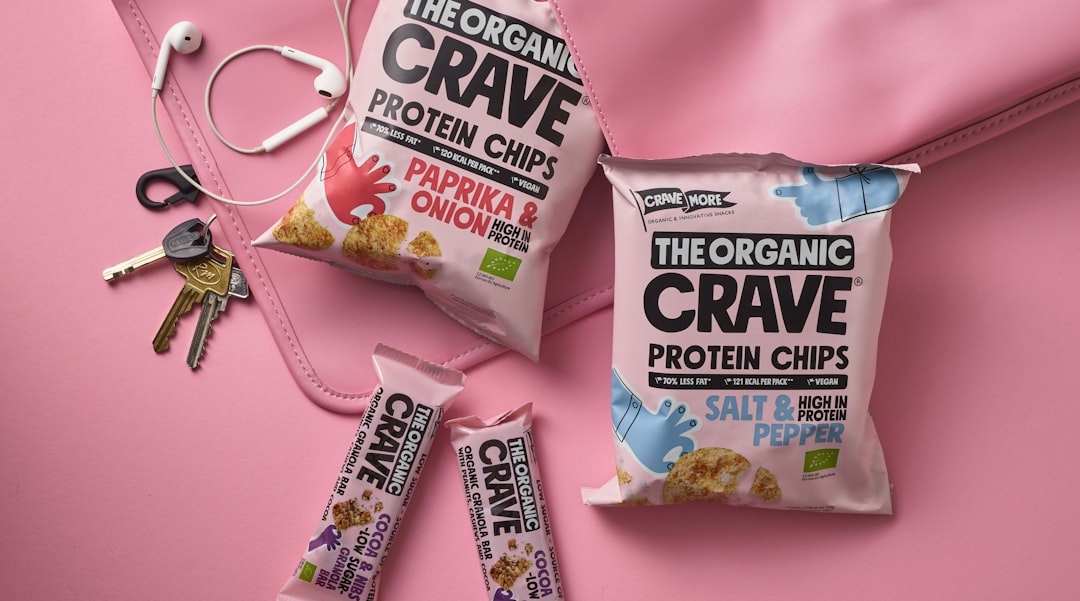
That granola bar with “whole grains” and “natural ingredients” on the label? Flip it over. Many contain 15+ grams of sugar-basically a candy bar in disguise. Protein bars are notorious for this too. Some are glorified Snickers with a marketing budget.
Fix: Read labels. Look for snacks with more protein than sugar, minimal ingredients you can actually pronounce, and less than 5g added sugar.
Mistake #2: Drinking your calories
Smoothies, protein shakes, and fancy coffee drinks can pack 400+ calories without providing much satiety. Liquid calories don’t trigger fullness signals the way solid food does.
Fix: Prioritize whole foods. When you do drink calories, add fiber (chia seeds, spinach) and consume slowly.
Mistake #3: Eating too little
Under-eating backfires. Skip snacks entirely and you’ll show up to dinner ravenous, making poor choices and overeating. Your body also downregulates metabolism when consistently underfed.
Fix: Eat strategically. Two planned 150-200 calorie snacks beat one 600-calorie binge every time.
Mistake #4: Ignoring hydration
Thirst often masquerades as hunger. Before reaching for a snack, drink 8oz of water and wait 10 minutes. Still hungry - then eat.
Fix: Keep a water bottle visible. Add lemon or cucumber if plain water bores you.
Quick Reference: Snacks by Goal
For muscle building: Prioritize protein - aim for 20-30g per snack. Cottage cheese, Greek yogurt, protein shakes, and lean deli meats are your friends.
For fat loss: Focus on volume and satiety. Vegetables with hummus, air-popped popcorn, and berries let you eat more food for fewer calories.
For endurance athletes: Don’t fear carbs-you need them. Dates, bananas, oatmeal bites, and dried fruit provide the glucose your muscles crave during long efforts.
For busy schedules: Prep matters. Spend 30 minutes on Sunday washing vegetables, portioning nuts, boiling eggs, and prepping overnight oats. Future you will be grateful.
Making It Stick
Knowledge without action changes nothing.
Start small. Pick three snacks from this guide that sound appealing. Buy the ingredients this week - prep them on Sunday. Eat them instead of whatever you’d normally grab.
Track how you feel - more energy? Better workouts - less afternoon slump? Those results create motivation to continue.
And look-you’ll mess up sometimes. You’ll grab chips from the vending machine when stressed. You’ll eat half a pizza after a rough day. That’s human. What matters is your pattern, not your exceptions.
Build the habit of reaching for snacks that serve your goals. Over months and years, those small choices compound into significant results. Your future self, the one hitting PRs and feeling energized, is built one smart snack at a time.