Home Workout Equipment Worth the Investment
You’ve scrolled past another Instagram ad for a $3,000 home gym system. Your garage already has that dusty treadmill from 2019. And somewhere in a closet, resistance bands are tangled into a hopeless knot.
Sound familiar?
Building a home gym doesn’t require a second mortgage. But it does require knowing which pieces of equipment actually deliver results-and which ones become expensive coat racks. After years of testing gear and watching trends come and go, certain items consistently prove their worth.
Start With Resistance Bands (Yes, Really)
Resistance bands get dismissed as beginner equipment. That’s a mistake.
A quality set of loop bands and tube bands with handles costs between $25-50. They take up almost no space. And they can replicate nearly every cable machine exercise at a commercial gym.
Why they’re worth it:
- Variable resistance challenges muscles differently than free weights. The tension increases as you stretch the band, creating peak contraction at the top of movements. 2 - joint-friendly training. Bands reduce the jarring impact that heavy weights can create, making them ideal for warmups or injury recovery. 3. Portability means no excuses when traveling.
What to buy: Look for fabric loop bands (they don’t snap or roll up like rubber ones) and tube bands with reinforced handles. Expect to spend $30-60 for a set that’ll last years.
★ Insight ─────────────────────────────────────
Resistance bands work on the principle of progressive tension-force increases throughout the range of motion. This creates a different strength curve than gravity-dependent free weights, where the hardest point is typically at the bottom of a lift.
Adjustable Dumbbells: The Space-Saving Essential
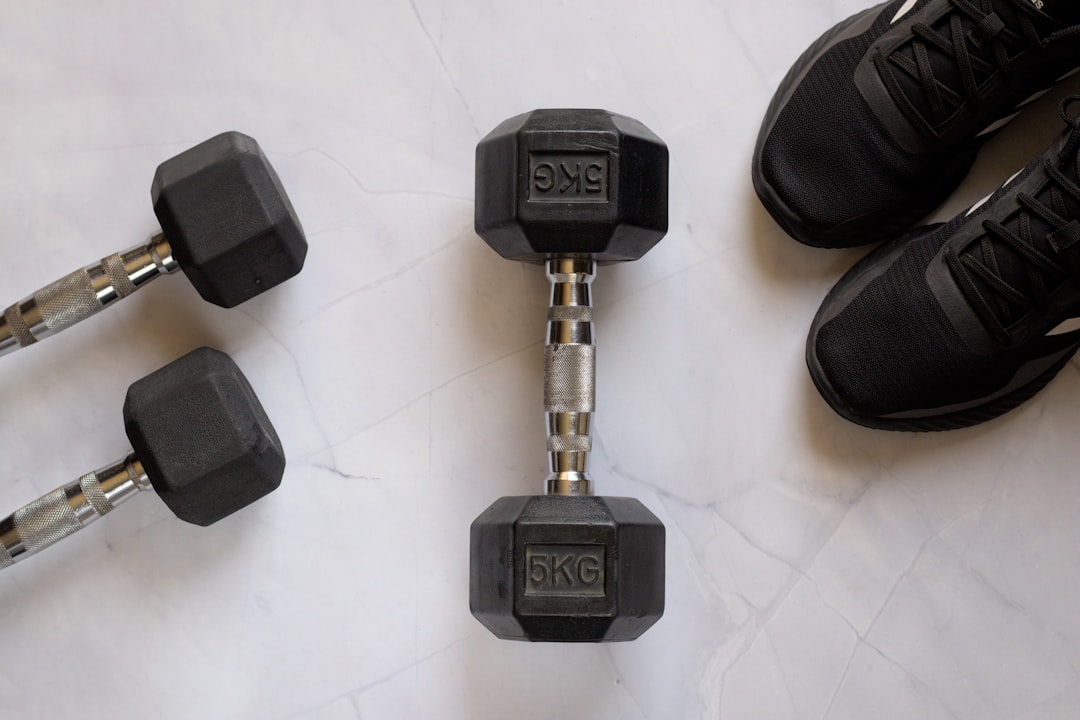
A full rack of dumbbells takes up an entire wall and costs thousands. Adjustable dumbbells solve both problems.
The major players-Bowflex SelectTech, PowerBlock, and Ironmaster-each have tradeoffs.
Bowflex SelectTech 552 ($400-500)
- Pros: Quick weight changes with a dial system, comfortable grip
- Cons: Bulky, plastic components can feel fragile, tops out at 52.5 lbs per hand
PowerBlock Elite ($350-600 depending on weight range)
- Pros: Compact design, expandable up to 90 lbs, extremely durable
- Cons: Square shape feels awkward initially, selector pin requires adjustment
Ironmaster Quick-Lock ($500-800)
- Pros: Feels like traditional dumbbells, nearly indestructible, expandable to 165 lbs
- Cons: Slower weight changes (10-15 seconds), higher price point
The verdict: If you lift heavy (over 50 lbs per hand), go PowerBlock or Ironmaster. For general fitness under 50 lbs, Bowflex works fine. Avoid cheap knockoffs-the adjustment mechanisms fail quickly.
A Pull-Up Bar Changes Everything
Pull-ups, chin-ups, hanging leg raises, dead hangs for grip strength and shoulder health. One piece of equipment, dozens of exercises.
Three main types exist:
Doorframe mounted ($25-40): The classic “Iron Gym” style that hooks over your door. Works for lighter users (under 200 lbs) in homes with solid door frames. Check your frame’s construction first-hollow-core frames can crack.
Wall-mounted ($50-150): Bolts directly into wall studs. More stable, supports higher weight limits, and allows kipping movements. Requires drilling, so renters may need landlord approval.
Freestanding power tower ($150-400): Includes pull-up bar, dip station, and sometimes vertical knee raise pads. Takes up significant floor space (about 4x4 feet) but offers the most exercise variety.
**Installation matters. ** A doorframe bar that falls mid-set is more than embarrassing-it’s dangerous. Wall-mounted units must hit studs, not just drywall. Use a stud finder - actually use it.
Kettlebells: One Weight, Full-Body Training
Kettlebells do something dumbbells can’t: ballistic movements. Swings, cleans, snatches-these explosive exercises build power and conditioning simultaneously.
But you don’t need a whole collection.
The “one kettlebell” approach:
- Most men: Start with 35 lbs (16 kg)
- Most women: Start with 18-26 lbs (8-12 kg)
- Scale up once you can swing that weight for 20+ reps easily
Cast iron kettlebells ($1-2 per pound) beat vinyl-coated ones. The coating tears over time and the surface becomes slippery. Look for a smooth handle with slight texture-too rough and it’ll shred your hands, too smooth and you’ll lose grip when sweating.
One exercise to master first: The kettlebell swing. It works your posterior chain (glutes, hamstrings, lower back), builds hip power, and doubles as cardio. Learn this before anything else.
The Foam Roller: Recovery Equipment That Works
Recovery gear is a crowded market full of expensive gadgets. Massage guns, percussion devices, vibrating balls-most are unnecessary.
A foam roller isn’t.
Spend $20-40 on a high-density EVA foam roller (36 inches long). Skip the rumble rollers with aggressive knobs unless you specifically need deep tissue work. The standard smooth surface handles 90% of mobility needs.
Use it for:
- Pre-workout: Light rolling to increase blood flow (30 seconds per muscle group)
- Post-workout: Slower, deeper pressure to reduce muscle tension (60-90 seconds per area)
- Daily maintenance: Hit your thoracic spine, IT band, and hip flexors-areas that tighten from sitting
What About Cardio Equipment?
This is where people waste the most money.
Treadmills, ellipticals, and stationary bikes are expensive, massive, and often collect dust. Before buying, ask yourself: Will I actually use this three times a week?
If the answer is genuinely yes, here’s the breakdown:
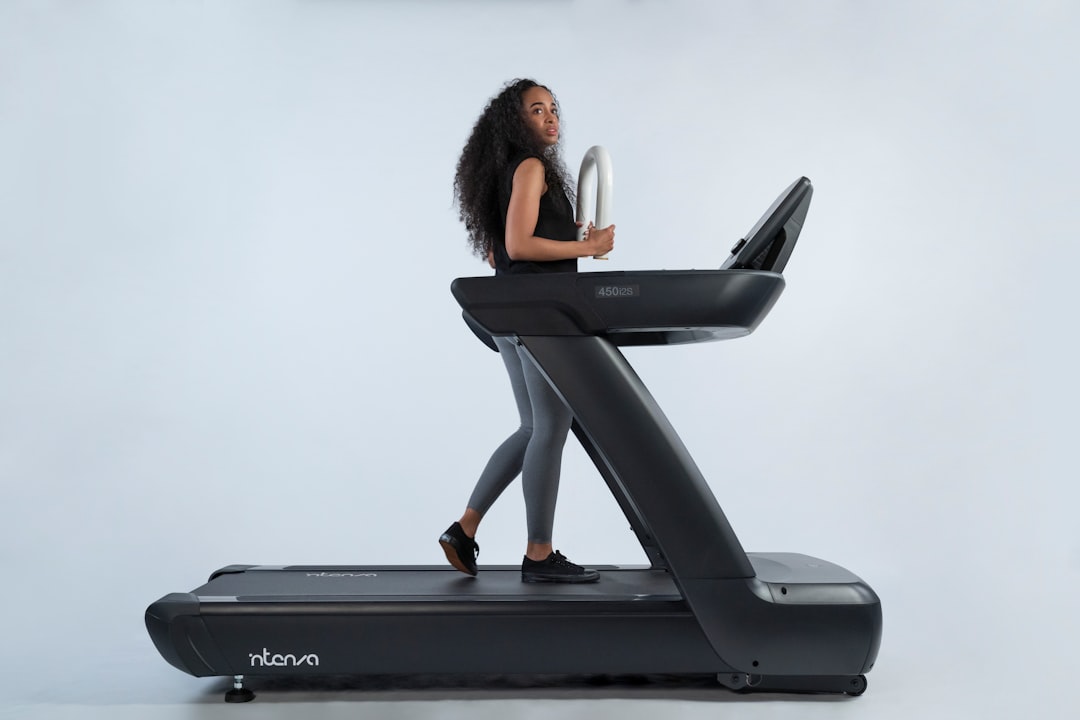
Best value treadmill: Look for models in the $600-1000 range with a strong motor (at least 2. 5 CHP for running), cushioned deck, and incline capability. Skip the touchscreen-it adds $500+ and becomes outdated quickly.
Best alternative to a treadmill: A jump rope ($10-20) and a yoga mat for bodyweight cardio circuits. Not glamorous - incredibly effective.
Stationary bikes worth considering: The Schwinn IC4 ($800-900) offers Peloton-style connectivity at half the price. It connects to multiple apps, has a solid build, and includes a heavy flywheel for smooth pedaling.
Rowing machines: The Concept2 Model D ($990) remains the gold standard. Nothing else comes close for durability and performance tracking. If budget allows, it’s the single best cardio investment.
Equipment to Skip (At Least For Now)
Some popular items aren’t worth it for most home gyms:
Ab machines: Your core gets worked during squats, deadlifts, planks, and virtually every compound movement. Dedicated ab machines take up space and do less than a $20 ab wheel.
Smith machines for home use: Unless you have 400+ square feet dedicated to a gym, the footprint doesn’t justify the utility. Adjustable dumbbells and a sturdy bench provide similar exercise options.
Ultra-cheap weight sets: Those 110-lb vinyl barbell sets from big box stores seem like deals. They’re not. The plastic-coated plates crack, the bars bend, and you’ll outgrow the weight quickly. Save longer for quality equipment.
Shake weights, thigh masters, and infomercial gear: Just don’t.
Building Your Setup in Phases
You don’t need everything at once. Here’s a practical progression:
Phase 1 - Under $100:
- Resistance band set ($35)
- Pull-up bar ($30)
- Foam roller ($25)
Phase 2 - Add $300-500:
- Adjustable dumbbells (choose based on your strength level)
- Yoga mat for floor work
Phase 3 - Add $200-400:
- Kettlebell (one appropriate weight)
- Adjustable bench (flat-to-incline capability)
Phase 4 - If space and budget allow:
- Cardio equipment of choice
- Additional kettlebell weights
- Power rack or squat stand
Each phase creates a functional training environment. Phase 1 alone supports a legitimate workout routine-the rest enhances it.
Making the Purchase
Check Craigslist, Facebook Marketplace, and OfferUp before buying new. Quality weight equipment lasts decades and often sells for 40-60% off retail. Inspect for rust, cracks, and worn padding.
For new purchases, consider:
- Amazon Basics for budget-friendly dumbbells and kettlebells
- Rogue Fitness for premium barbells and racks (expensive but lifetime quality)
- Rep Fitness for mid-range benches and storage solutions
Timing matters too. Fitness equipment prices drop significantly in February (New Year’s resolution burnout) and midsummer (people spending on vacations instead).
The Bottom Line
Effective home training doesn’t require a $5,000 setup. It requires equipment you’ll actually use, stored in a space you’ll actually enter.
Start with resistance bands and a pull-up bar. Add adjustable dumbbells when you’re ready for more intensity. Build from there based on your specific goals.
The best home gym equipment is whatever gets you training consistently. Everything else is just marketing.