Hydration Guidelines for Peak Athletic Performance
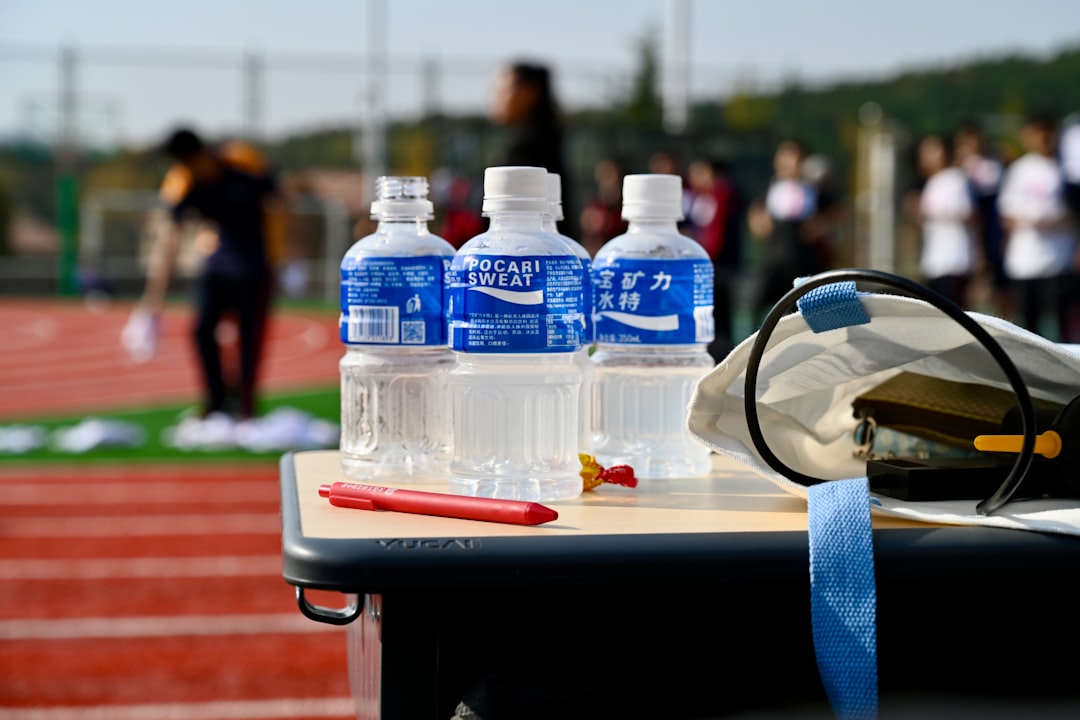
You’re halfway through a workout, and suddenly your performance tanks. Your muscles feel sluggish - concentration? Gone. That mid-session crash isn’t always about fitness level or nutrition timing. Often, it’s dehydration sneaking up on you.
Most athletes dramatically underestimate their fluid needs. And the consequences extend far beyond feeling thirsty.
Why Hydration Matters More Than You Think
Water makes up roughly 60% of your body weight. During exercise, you lose 0. 5 to 2 liters per hour through sweat-sometimes more in hot conditions or high-intensity sessions. Lose just 2% of your body weight in fluids, and your performance drops by 10-20%.
That’s not opinion - that’s physiology.
Dehydration thickens your blood, forcing your heart to work harder. It impairs thermoregulation, meaning you overheat faster. Your muscles lose the ability to contract efficiently. Cognitive function suffers too-reaction time slows, decision-making gets fuzzy.
Here’s what proper hydration actually does for you:
- Maintains blood volume so oxygen reaches working muscles
- Regulates body temperature through sweating
- Lubricates joints and cushions organs
- Transports nutrients and removes metabolic waste
- Supports mental focus and coordination
Step 1: Calculate Your Personal Fluid Needs
Generic advice like “drink 8 glasses a day” doesn’t cut it for athletes. Your needs depend on body size, exercise intensity, climate, and individual sweat rate.
Find your sweat rate:
- Weigh yourself naked before a 60-minute workout
- Exercise at typical intensity without drinking
- Weigh yourself naked again immediately after
A 150-pound runner who loses 1. 5 pounds during an hour-long run needs approximately 24 ounces of fluid replacement per hour of exercise.
Do this test in different conditions. Your sweat rate in July will differ from December. Indoor cycling produces different losses than outdoor running.
Baseline daily intake:
Take your body weight in pounds, divide by two. That number in ounces represents your minimum daily water intake-before accounting for exercise. A 160-pound person needs at least 80 ounces daily, then adds replacement fluids for training.
Step 2: Master Pre-Workout Hydration
Starting exercise already dehydrated guarantees subpar performance. You can’t catch up once you’re behind.
The 4-hour protocol:
- 4 hours before exercise: Drink 16-20 ounces of water
- 2 hours before: Drink another 8-12 ounces
- 15-30 minutes before: Sip 4-8 ounces
This timeline allows your kidneys to process excess fluid. Chugging water right before training just means bathroom breaks during your workout.
Check your hydration status:
Urine color tells you plenty - pale yellow-you’re good. Dark amber-you’re already behind - clear and frequent? You might be overdoing it.
Another quick test: pinch the skin on the back of your hand. If it snaps back immediately, hydration is adequate. Slow return suggests dehydration.
Step 3: Dial In Your During-Workout Strategy
Once you start sweating, replacement becomes critical. But timing and composition matter as much as volume.
For sessions under 60 minutes:
Plain water works fine. Drink 4-8 ounces every 15-20 minutes. Don’t wait until you feel thirsty-thirst signals appear after dehydration has already begun.
For sessions over 60 minutes:
You need more than water. Extended exercise depletes electrolytes, particularly sodium.
- Sodium: 300-600mg per liter
- Potassium: 75-150mg per liter
- Carbohydrates: 6-8% concentration for energy
Alternatively, you can make your own electrolyte drink: 1/4 teaspoon salt + 2 tablespoons honey + 1 liter water + splash of citrus juice. Costs pennies compared to commercial options.
Practical tip: Set a timer on your watch or phone. Every 15 minutes, take 3-4 gulps. This prevents the feast-or-famine pattern where athletes forget to drink, then overconsume.
Step 4: Recover Smart Post-Workout
Post-exercise hydration repairs what training broke down. Skip this step, and tomorrow’s session suffers.
The replacement formula:
For every pound lost during exercise, drink 16-24 ounces of fluid within 2 hours. Yes, that’s more than you lost-some gets excreted before absorption.
Include sodium in recovery:
Sodium helps your body retain fluid rather than immediately sending it to your bladder. Salty snacks, broth, or electrolyte tablets all work.
Recovery drink options:
- Chocolate milk (carbs + protein + electrolytes)
- Coconut water (natural potassium source)
- Tart cherry juice (anti-inflammatory bonus)
- Plain water with a salty meal
Avoid alcohol immediately post-workout. It’s a diuretic that worsens dehydration exactly when you need to rehydrate.
Step 5: Adjust for Environmental Factors
Your hydration plan shouldn’t be static. Conditions change everything.
Hot weather:
Increase fluid intake by 50-100% - start drinking earlier. Consider pre-cooling strategies like cold water or ice slushies before outdoor training.
Cold weather:
Thirst sensation decreases in cold conditions, but sweat losses continue-especially with layered clothing. Force yourself to drink on schedule.
Altitude:
Above 5,000 feet, respiratory water loss increases significantly. Bump intake by 1-2 liters daily when training at elevation.
Indoor vs. outdoor:
Poorly ventilated gyms can be more demanding than outdoor environments. Hot yoga or indoor cycling in warm studios requires aggressive hydration.
Common Hydration Mistakes (And How to Fix Them)
Mistake: Drinking only when thirsty
By the time thirst kicks in, you’ve lost 1-2% body weight in fluids. Schedule drinking, don’t rely on sensation.
Mistake: Overhydrating with plain water
Excessive water without electrolytes can cause hyponatremia-dangerously low sodium levels. Symptoms include nausea, headache, confusion, and in severe cases, seizures. Balance water with electrolytes during extended exercise.
Mistake: Relying on caffeine as hydration
Coffee and pre-workout drinks have mild diuretic effects. They count toward fluid intake, but shouldn’t be your primary source. For every caffeinated beverage, match it with equal water.
Mistake: Ignoring individual variation
Some people are heavy sweaters - others barely glisten. One athlete might need 32 ounces per hour while their training partner needs 16. Test and adjust for your body.
Signs You’re Getting It Right
Proper hydration shows up in performance and how you feel:
- Consistent energy throughout workouts
- Pale, straw-colored urine
- Normal body weight before and after training (within 1-2%)
- No muscle cramping during exercise
- Quick recovery between sessions
- Clear thinking and maintained coordination late in workouts
And signs you’re not:
- Dark urine or infrequent urination
- Headaches during or after exercise
- Elevated resting heart rate
- Unusual fatigue or weakness
- Muscle cramps, especially in calves and hamstrings
- Feeling dizzy or lightheaded
Building Your Hydration Habit
Knowledge means nothing without execution. Here’s how to make hydration automatic:
**Carry water everywhere. ** A reusable bottle in your bag, car, and workspace creates drinking opportunities.
**Front-load your intake. ** Drink 16-20 ounces first thing in the morning. You wake up mildly dehydrated after hours without fluids.
**Use technology. ** Apps like WaterMinder or simple phone reminders work until the habit sticks.
**Track for one week. ** Log everything you drink and note how you feel during workouts. Patterns emerge quickly.
Hydration isn’t glamorous. Nobody posts about their water intake on social media. But it’s one of the simplest, cheapest performance enhancers available. Get it right, and everything else-strength training, endurance work, recovery-works better.
Start tomorrow morning - drink 16 ounces before breakfast. Build from there.