Lazy Fitness: The Anti-Hustle Movement
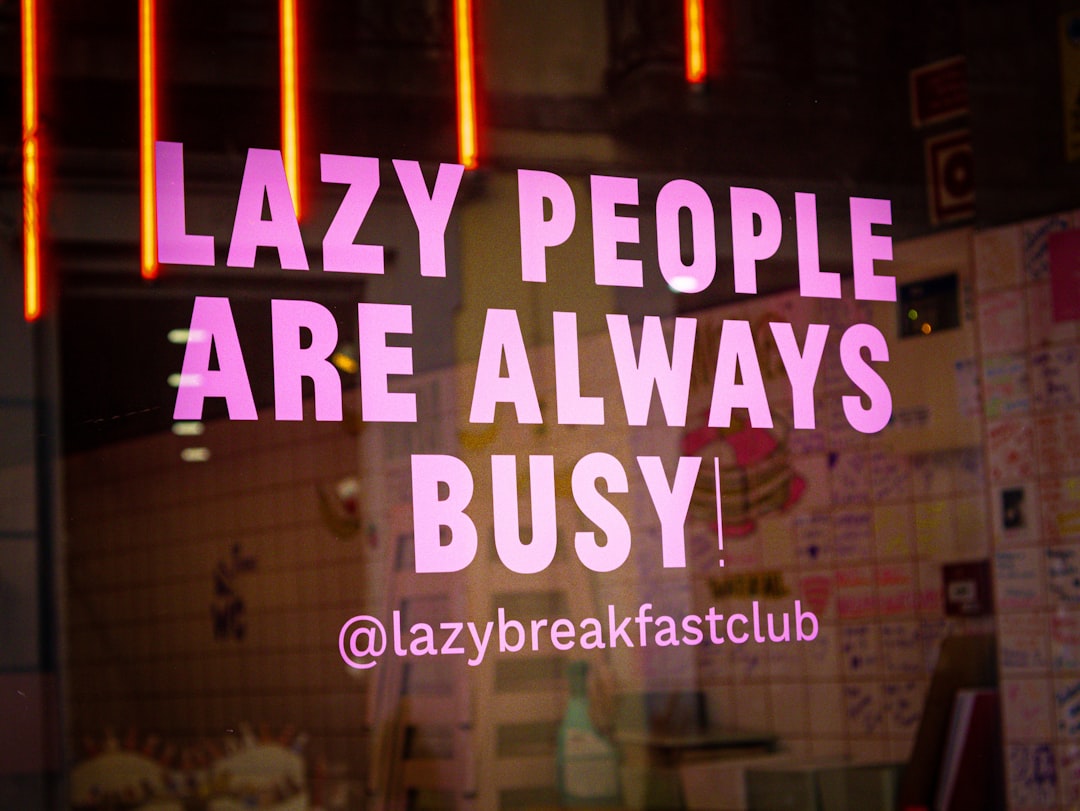
You’ve seen the transformation photos - the 5 AM alarm clocks. The meal prep containers stacked in fridges like some kind of Tupperware monument to willpower.
And maybe you’ve tried it. Signed up for the intense program, bought the equipment, set seventeen alarms. Then three weeks later, you’re watching Netflix in your running shoes, wondering why motivation feels like a currency you’re always running out of.
but: what if the problem isn’t you?
The fitness industry has sold us a lie wrapped in spandex and protein powder. The lie says more is better. That if you’re not gasping for air or hobbling down stairs after leg day, you’re doing it wrong. But a growing movement is pushing back-and it might be exactly what your body (and sanity) needs.
What Lazy Fitness Actually Means
Let’s get one thing straight: “lazy fitness” isn’t about avoiding movement altogether. It’s about rejecting the all-or-nothing mentality that burns people out faster than a cheap candle.
Lazy fitness embraces low-intensity exercise as a legitimate, sustainable approach to health. Instead of crushing six high-intensity workouts per week, you might take three walks, do one strength session, and call it good. Not because you can’t do more-but because you’re playing a longer game.
The philosophy centers on three principles:
1 - **Consistency beats intensity. ** A 15-minute walk you actually take trumps a 60-minute workout you keep postponing.
2 - **Exercise shouldn’t wreck your life. ** If your fitness routine leaves you too exhausted for everything else, the math doesn’t work.
3 - **Recovery is productive. ** Rest days aren’t cheating - they’re when adaptation happens.
This isn’t lowering standards. It’s being strategic about where you spend your limited energy.
Why Traditional Fitness Culture Fails Most People
About 80% of people who start a fitness program quit within five months. That’s not a willpower problem-that’s a design problem.
Intense programs work beautifully for certain people: those with flexible schedules, minimal stress, good recovery capacity, and genuine enjoyment of hard exercise. For everyone else? They create a cycle of enthusiasm, exhaustion, guilt, and abandonment.
The cortisol connection matters here too. High-intensity exercise temporarily spikes stress hormones. That’s fine when you’re well-rested and recovered. But stack it on top of work deadlines, family obligations, and the general chaos of modern life? Your body can’t tell the difference between “productive stress” and “overwhelming stress. " It just registers threat.
Low-intensity exercise, on the other hand, actually lowers cortisol. Walking, easy cycling, gentle yoga-these activities calm your nervous system while still providing health benefits.
How to Build a Lazy Fitness Routine That Sticks
Ready to try this approach - here’s a practical framework.
Step 1: Identify Your Minimum Viable Movement
Ask yourself: what’s the smallest amount of exercise I could do consistently, even on my worst days?
Maybe it’s a 10-minute walk around the block. Maybe it’s five basic stretches. Maybe it’s parking farther from the store entrance. Whatever it is, that becomes your baseline. The non-negotiable.
Why this matters: Consistency builds identity. When you move daily-even minimally-you start seeing yourself as someone who exercises. That identity shift does more for long-term fitness than any brutal workout.
Step 2: Add Intensity Only When You Want To
Notice I said “want to,” not “should. " Some days you’ll feel energized and might walk faster, lift heavier, or exercise longer. Great - let that happen naturally.
But-and this is key-don’t mandate it. Intensity should be a bonus, not a requirement. The moment it becomes obligatory, you’ve recreated the burnout machine you’re trying to escape.
Try this: Rate your energy from 1-10 before exercising. If you’re below a 5, stick to your minimum. Above 7? Add something if you genuinely feel like it.
Step 3: Build Movement Into What You Already Do
Lazy fitness loves compound habits. Instead of adding exercise as another item on your to-do list, attach it to existing routines.
Examples:
- Walk while taking phone calls
- Do calf raises while brushing teeth
- Take stairs when you’re going up one or two floors
- Stretch while watching the first 10 minutes of a show
- Park at the far end of the lot every time you shop
These additions feel almost effortless because they don’t require separate motivation. You’re already doing the trigger activity.
Step 4: Make Rest Mandatory, Not Guilty
Schedule recovery days like you’d schedule workouts. Write them in - protect them.
On rest days, you might still move-easy walking, gentle stretching-but you deliberately avoid anything strenuous. This prevents the guilt spiral where missed intense workouts compound into complete abandonment.
Remember: muscles grow during rest - cardiovascular adaptations happen during rest. Mental motivation restores during rest. Skipping recovery isn’t dedication; it’s counterproductive.
Sample Lazy Fitness Week
Here’s what a realistic schedule might look like:
Monday: 20-minute walk after dinner
Tuesday: 15-minute bodyweight strength (squats, push-ups, planks-nothing fancy)
Wednesday: Rest or gentle stretching
Thursday: 25-minute walk, maybe slightly faster
Friday: 15-minute yoga video on YouTube
Saturday: Longer activity you enjoy-hiking, swimming, cycling, playing with kids
Sunday: Complete rest
Total formal exercise: maybe 90 minutes across the whole week. But here’s the secret: research shows this level of low-intensity exercise, maintained consistently, delivers roughly 80% of the health benefits that intensive programs provide. The diminishing returns past this point are dramatic.
Troubleshooting Common Obstacles
“I feel lazy doing so little.”
That discomfort comes from internalized hustle culture, not actual laziness. Ask yourself: Is my current approach working? If previous intense attempts led to quitting, trying something different isn’t lazy-it’s smart.
“I’m not seeing dramatic results.”
You won’t - not quickly. Lazy fitness trades rapid transformation for sustainable change. After six months of consistency, you’ll likely have better results than someone who did three intense months followed by three months of nothing.
“My fitness friends judge this approach.”
Some will - fitness culture has gatekeeping problems. But you’re not training for their validation. You’re training for your own quality of life over the next 40 years.
“I miss intense workouts sometimes.”
Then do them sometimes - lazy fitness isn’t a prison. If you genuinely crave a hard session, honor that. The difference is choice versus obligation.
The Long Game Perspective
Here’s what nobody tells you about sustainable fitness: it’s boring to talk about.
There’s no dramatic before-and-after. No impressive workout times to share. No badge of honor from being destroyed by yesterday’s session.
But there’s this: showing up. Day after day, month after month, year after year. Moving your body in ways that feel manageable. Building a baseline of health that supports everything else you want to do.
Twenty years from now, the person who walked consistently will likely be healthier than the person who cycled through intense programs and burnouts. The tortoise wins this race.
So if you’ve been feeling like a fitness failure, consider that maybe you just haven’t found your approach yet. Low-intensity exercise isn’t settling - sustainable fitness isn’t giving up.
Sometimes the rebellious act is refusing to grind.
Start tomorrow - go for a walk. Make it easy enough that you’d feel silly skipping it. Then do the same thing the next day. And the next.
That’s it - that’s the whole secret.
And if anyone tells you it doesn’t count? Smile, keep walking, and remember that you’re playing a different game entirely-one you can actually win.