Mental Health Workouts: Exercise Routines That Fight Anxiety
Your heart races - palms sweat. That familiar tightness grips your chest. Anxiety doesn’t just live in your head-it takes up residence in your entire body. And that’s precisely why physical exercise works so well against it.
The connection between movement and mood isn’t some wellness trend. It’s biology. When you exercise, your brain releases endorphins, reduces cortisol, and increases serotonin production. But here’s what most articles won’t tell you: not all workouts fight anxiety equally. Some exercises can actually spike your stress if done wrong.
This guide breaks down specific routines designed to calm your nervous system, not just burn calories.
Why Exercise Beats Anxiety at Its Own Game
Anxiety triggers your sympathetic nervous system-the fight-or-flight response. Your body prepares for danger that isn’t there. Exercise essentially gives that pent-up energy somewhere to go.
But there’s more to it. A 2023 study from the University of Gothenburg found that participants who exercised regularly showed a 45% reduction in anxiety symptoms compared to non-exercisers. The key wasn’t intensity. It was consistency and type of movement.
Three mechanisms make exercise particularly effective:
- Physical discharge - Anxiety creates muscle tension. Movement releases it - 2. Neurochemical shift - Exercise increases GABA, your brain’s natural tranquilizer. 3. Attention redirection - Focusing on your body interrupts anxious thought loops.
The 4-Phase Anti-Anxiety Workout Structure
Not every gym session helps anxiety. High-intensity workouts can actually increase cortisol in already-stressed individuals. The solution? A structured approach that gradually activates then calms your nervous system.
Phase 1: Grounding Warm-Up (5-7 minutes)
Start by getting out of your head and into your body.
1 - stand barefoot if possible. Feel the floor beneath you - 2. Take 10 slow breaths-4 counts in, 6 counts out. 3. Roll your shoulders backward 10 times, then forward. 4. Perform gentle neck circles, 5 in each direction. 5. Do 20 bodyweight squats at a relaxed pace.
Why this matters: Grounding techniques activate your parasympathetic nervous system before you even start sweating. You’re essentially telling your body “we’re safe” before asking it to work.
Phase 2: Rhythmic Movement (15-20 minutes)
Repetitive, predictable movements are anxiety’s kryptonite. Your brain loves patterns-they signal safety.
Choose one:
Walking or light jogging Maintain a pace where you could hold a conversation. Focus on the rhythm of your feet hitting the ground. Count your steps in sets of four.
Swimming The combination of rhythmic breathing and water pressure creates a uniquely calming effect. Even 15 minutes of laps can reduce anxiety markers significantly.
Cycling Stationary or outdoor - keep resistance moderate. The circular motion and steady breathing sync up to calm your nervous system.
Rowing Full-body rhythmic movement with built-in breathing patterns. Exhale on the pull, inhale on the recovery.
Troubleshooting tip: If you feel your heart racing uncomfortably or thoughts spiraling, slow down immediately. Anxiety-relief exercise should feel challenging but not overwhelming.
Phase 3: Strength with Intention (10-15 minutes)
Resistance training builds more than muscle. It builds a sense of capability and control-both antidotes to anxious feelings.
Perform each exercise slowly. Focus on the muscle working, not the rep count.
- Wall push-ups or standard push-ups - 3 sets of 8-12
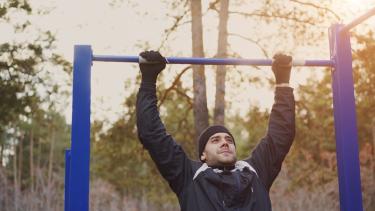
- Bodyweight squats with pause - Hold at the bottom for 2 seconds. 3 sets of 10 - 3. Dead hangs - Simply hang from a pull-up bar for 20-30 seconds. This decompresses your spine and requires complete grip focus. 4. Farmer carries - Hold weights at your sides and walk 40 steps. The combination of load and movement demands full attention.
The slow tempo matters. Rushing through strength exercises keeps you in a stressed state. Deliberate movement activates different neural pathways.
Phase 4: Nervous System Reset (8-10 minutes)
This phase is non-negotiable. Skipping it leaves your body activated without proper wind-down.
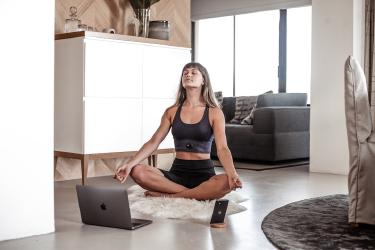
1 - Child’s pose - 2 minutes. Forehead on the ground, arms extended or alongside body. 2. Legs up the wall - 3 minutes. This inverted position triggers relaxation responses. 3 - Diaphragmatic breathing - 3 minutes. Hand on belly, breathe so your hand rises before your chest does. 4 - Body scan - 2 minutes. Mentally move from toes to head, noticing and releasing tension.
Three Ready-to-Use Anxiety Workout Routines
Routine A: The Morning Calm (25 minutes)
Best for: Waking up anxious, anticipatory anxiety about the day ahead.
- 5-minute grounding warm-up
- 12-minute brisk walk with counted breathing (inhale 4 steps, exhale 4 steps)
- 5-minute gentle yoga flow (sun salutations at half speed)
- 3-minute legs-up-the-wall finish
Routine B: The Stress Burner (35 minutes)
Best for: After work tension, racing thoughts, restless energy.
- 5-minute dynamic warm-up
- 20-minute steady-state cardio (pick your rhythm activity)
- 10-minute strength circuit focusing on large muscle groups
- 5-minute progressive muscle relaxation
Routine C: The Emergency Reset (15 minutes)
Best for: Acute anxiety, panic symptoms, when you need relief fast.
- 2 minutes box breathing (4-4-4-4 pattern)
- 8 minutes walking at a slow, deliberate pace
- 5 minutes child’s pose and body scan
This shorter routine works because sometimes less is more. During acute anxiety, pushing hard backfires.
Common Mistakes That Make Anxiety Worse
Training too hard, too often HIIT classes and intense CrossFit sessions have their place. But for anxiety management, moderate intensity wins. A heart rate of 50-70% of your max is the sweet spot.
Exercising late at night Endorphins feel great, but they can disrupt sleep if you work out within 3 hours of bedtime. Poor sleep fuels anxiety.
Comparing your practice to others Anxiety-relief exercise isn’t about performance. If someone else’s heavy lifting intimidates you, find a quieter corner or different time.
Skipping the cooldown Stopping abruptly leaves cortisol elevated. Always include at least 5 minutes of deliberate wind-down.
Building Your Weekly Schedule
Aim for 4-5 sessions weekly. Here’s a realistic template:
- Monday: Routine A (Morning Calm)
- Tuesday: 30-minute walk, any pace
- Wednesday: Routine B (Stress Burner)
- Thursday: Rest or gentle stretching
- Friday: Routine A or B based on stress level
- Weekend: One longer outdoor activity-hiking, swimming, cycling
Consistency trumps intensity. Three moderate sessions beat one exhausting workout.
When Exercise Isn’t Enough
Physical activity is powerful, but it’s not a replacement for professional help. If anxiety significantly impacts your daily life, prevents you from working or maintaining relationships, or includes panic attacks-talk to a mental health professional.
Exercise works best as part of a broader approach that might include therapy, medication, or other interventions. Think of it as one tool in your toolkit, not the entire toolbox.
Start Today, Start Small
You don’t need a gym membership or fancy equipment. You need 15 minutes and a willingness to move.
Try the Emergency Reset routine today. Notice how your body feels before and after. That difference-that’s your evidence.
Anxiety tells you to freeze, to avoid, to stay small. Movement is the opposite of all three. Every step, stretch, and breath is a small act of defiance against the thing that wants to keep you stuck.
Your body already knows how to calm down. These workouts just remind it how.