Omega-3 Deficiency: The Nutrient Gap Most People Ignore
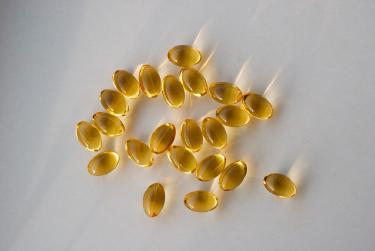
Most people obsess over protein intake and calorie counting while completely overlooking one of the most critical nutrients for overall health. Omega-3 fatty acids don’t get the attention they deserve, and the consequences show up in ways you might not expect.
Your brain is roughly 60% fat, and a significant portion of that should be DHA-one of the primary omega-3 fatty acids. When you’re not getting enough, everything from your mood to your workout recovery takes a hit.
Why Your Body Can’t Make What It Needs
Here’s the frustrating reality: your body cannot produce omega-3 fatty acids on its own. You must get them from food or supplements. Period.
The three main types you need to know:
- EPA (eicosapentaenoic acid) - Reduces inflammation and supports heart function
- DHA (docosahexaenoic acid) - Critical for brain structure and cognitive function
That last point matters more than most realize. Eating flaxseeds and walnuts helps, but relying solely on plant-based ALA sources won’t adequately raise your EPA and DHA levels. The conversion efficiency is simply too low.
Signs You’re Running on Empty
Omega-3 deficiency doesn’t announce itself with obvious symptoms. Instead, it shows up as a collection of issues you might attribute to other causes.
Watch for these warning signs:
- Dry, flaky skin that doesn’t improve with moisturizer
- Brittle nails that break or peel easily
- Poor concentration and brain fog, especially in the afternoon
- Joint stiffness that lingers after workouts
- Mood swings or persistent low-grade irritability
- Slow recovery from exercise-muscles stay sore longer than expected
The tricky part - these symptoms develop gradually. You adjust to feeling suboptimal without realizing something’s missing.
Step 1: Assess Your Current Intake
Before changing anything, figure out where you stand. Track your omega-3 sources for one week.
Ask yourself:
- How many servings of fatty fish do you eat weekly? (Salmon, mackerel, sardines, herring)
- Do you consume fish oil or algae-based supplements? - What’s your ratio of omega-6 to omega-3 intake?
That ratio question is key. The typical Western diet delivers omega-6 to omega-3 ratios of 15:1 or even 20:1. Researchers suggest we should aim for something closer to 4:1 or lower. Omega-6 fatty acids aren’t bad-you need them-but excessive amounts relative to omega-3s promote inflammation.
Processed foods, vegetable oils (corn, soybean, sunflower), and conventionally raised meat all skew your ratio toward omega-6. Every fast-food meal pushes the balance further off.
Step 2: Prioritize Food Sources First
Supplements have their place, but whole food sources deliver omega-3s alongside other beneficial compounds. Your body absorbs and uses them more effectively.
Best food sources ranked by EPA+DHA content per serving:
| Food | EPA+DHA per 3oz serving |
|---|---|
| Atlantic mackerel | 2,600 mg |
| Wild salmon | 1,800 mg |
| Herring | 1,700 mg |
| Sardines | 1,400 mg |
| Anchovies | 1,300 mg |
| Rainbow trout | 1,000 mg |
Aim for two to three servings of fatty fish weekly. That’s the baseline recommendation from most health organizations, and it typically provides 250-500mg of EPA+DHA daily.
Can’t stand fish? Oysters, mussels, and crab offer smaller but meaningful amounts. Pasture-raised eggs contain some omega-3s too, though quantities vary significantly by brand.
Step 3: Choose the Right Supplement
Let’s be honest-most people won’t eat sardines three times a week. Supplements fill the gap, but quality varies dramatically.
What to look for:
- **Check the EPA and DHA amounts specifically. ** A label claiming “1000mg fish oil” might only contain 300mg of actual EPA+DHA. The rest is other fats. Read the supplement facts panel, not just the front label.
2 - **Look for third-party testing. ** Organizations like IFOS (International Fish Oil Standards), NSF, or USP verify purity and potency. This matters because fish oil can contain mercury, PCBs, and other contaminants.
3 - **Consider the form. ** Triglyceride form absorbs about 70% better than ethyl ester form. Most cheap fish oils use ethyl esters. You often get what you pay for.
4 - **Check for freshness indicators. ** Rancid fish oil does more harm than good. Look for added antioxidants like vitamin E. If your supplement smells strongly fishy or causes bad burps, it’s likely oxidized.
Dosage guidelines:
- General health maintenance: 250-500mg combined EPA+DHA daily
- Active individuals/athletes: 1,000-2,000mg daily
- Addressing specific inflammatory conditions: 2,000-4,000mg daily (consult your doctor first)
Vegetarians and vegans should look for algae-based DHA supplements. Algae is where fish get their omega-3s originally, so you’re cutting out the middleman.
Step 4: Time Your Intake Strategically
When you take omega-3s affects how well you absorb them.
Take fish oil supplements with your largest meal of the day-one containing dietary fat. Fat triggers bile release, which helps emulsify and absorb omega-3 fatty acids. Studies show up to 3x better absorption when taken with a high-fat meal versus on an empty stomach.
Split larger doses. Taking 3,000mg at once can cause digestive discomfort for some people. Divide it across two meals instead.
Store supplements properly. Keep fish oil in a cool, dark place or refrigerate after opening. Heat, light, and air accelerate oxidation.
Step 5: Reduce Competing Omega-6 Sources
Adding omega-3s helps, but you’ll see faster results by simultaneously reducing excessive omega-6 intake.
Practical swaps:
- Cook with olive oil or avocado oil instead of corn or soybean oil
- Choose grass-fed beef when possible (better omega ratio than grain-fed)
- Limit fried restaurant food (almost always cooked in high omega-6 oils)
- Read ingredient labels for hidden soybean and vegetable oils
- Snack on walnuts or macadamias instead of sunflower seeds
You don’t need to eliminate omega-6 foods entirely. Just shift the balance.
What to Expect and When
Patience matters here. Omega-3 benefits accumulate over weeks and months, not days.
Timeline of potential improvements:
- Weeks 1-2: Some people notice reduced joint stiffness and better skin hydration
- Weeks 4-6: Mood stability and mental clarity improvements often emerge
- Months 2-3: Measurable changes in inflammatory markers and blood lipid profiles
- Months 6+: Full integration into cell membranes and maximum benefit
Don’t expect overnight transformation. Your body needs time to incorporate these fatty acids into cell membranes throughout your system.
Troubleshooting Common Issues
Fish burps: Take supplements with food, choose enteric-coated capsules, freeze your fish oil caps, or try a higher-quality brand.
No noticeable difference: You might need a higher dose, or the supplement quality might be poor. Consider getting an omega-3 index blood test to verify your levels are actually rising.
Digestive upset: Start with a lower dose and gradually increase. Some people tolerate liquid fish oil better than capsules.
Concerned about blood thinning: Omega-3s have mild anticoagulant effects. If you’re on blood thinners or preparing for surgery, discuss dosage with your healthcare provider.
The Bottom Line
Omega-3 deficiency is widespread and underdiagnosed. The symptoms are subtle enough that most people adapt without realizing they’re operating below their potential.
Fix this gap and you’ll likely notice improvements in recovery, mental sharpness, and overall inflammation levels. It’s not glamorous. Nobody brags about their fish oil routine at the gym.
But consistent omega-3 intake forms the foundation that makes everything else work better. Your brain function, your joints, your cardiovascular system-they’re all waiting for the raw materials they need.
Start with two servings of fatty fish this week. Add a quality supplement if needed. Track how you feel over the next two months. The evidence will speak for itself.