Rope Flow Exercises Blend Movement and Meditation
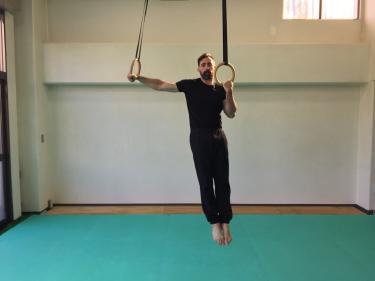
You’ve probably seen the videos by now. Someone in a park or gym swinging a weighted rope in mesmerizing patterns around their body, the rope tracing figure-eights and spirals through the air. It looks part martial arts, part dance, part meditation. That’s rope flow.
This movement practice has exploded in popularity over the past few years, attracting everyone from desk workers seeking mobility to athletes looking for active recovery. The appeal? You get a genuine workout while entering an almost trance-like state of focus.
What Makes Rope Flow Different from Jump Rope
Before going further, let’s clear up a common misconception. Rope flow isn’t jump rope - you don’t hop over anything. The rope stays in continuous motion around your body while you shift, turn, and move through various positions.
The ropes themselves differ too. Flow ropes are typically heavier-anywhere from half a pound to two pounds-and made with a beaded or weighted design that creates momentum. That weight matters. It provides feedback, helps you feel where the rope is in space, and builds rotational strength through your shoulders, core, and hips.
Think of it as a moving puzzle. Your job is keeping the rope spinning while transitioning between patterns. Miss a beat and the rope tangles or hits you. Stay present and coordinated, and the movement becomes almost effortless.
Getting Started: Your First Session
Step 1: Choose Your Rope
For beginners, grab a rope that reaches roughly from the ground to your sternum when held at the handle. Most people start with a lighter option (around 0. 5 lbs) to learn patterns before progressing to heavier ropes.
Beaded ropes offer excellent feedback for learning. The segments provide visual reference and audible cues-you’ll hear when your rhythm is off.
Step 2: Find Your Space
You need about 8 feet of clearance in all directions. Outdoors works great. Just watch for wind, which can disrupt lighter ropes. Indoor spaces work fine too, though you’ll want to move fragile items out of range.
Step 3: Learn the Basic Underhand Figure-Eight
This foundational movement underpins most rope flow patterns.
- Hold the rope handle in your dominant hand with a relaxed grip
- Start the rope swinging in a small circle beside your hip
- As the rope reaches its lowest point, guide it across your body to the opposite hip
- Let it swing up and around on that side
The path traces a horizontal figure-eight. Keep your arm relaxed, elbow soft. The movement comes from your shoulder and a subtle weight shift through your hips.
Expect to hit yourself - a lot. This is normal and honestly useful-those small impacts teach you where the rope is without requiring you to watch it constantly.
Step 4: Add the Overhead Pattern
Once the underhand figure-eight feels comfortable (give it 10-15 minutes of practice), try bringing the rope overhead.
- From your underhand figure-eight, let the rope swing slightly higher on one side
- Guide it up and over your head in an arc
- Catch it in the same hand as it descends on the other side
This overhead component transforms flat patterns into three-dimensional movement. Your whole body starts engaging-hips rotate, spine twists gently, shoulders work through full range of motion.
Why Your Body Loves Rotational Movement
Modern life keeps us moving in limited planes. We sit forward, walk forward, reach forward. Rotation gets neglected.
Rope flow forces rotation - constant rotation. Your thoracic spine (mid-back) mobilizes. Your shoulders move through circumduction-that full circular motion they’re designed for but rarely perform. Your hips open and close as you shift weight.
Many practitioners report improvements in:
- Shoulder mobility and reduced stiffness
- Coordination between upper and lower body
- Core stability during movement (not just static planks)
- Wrist and grip strength
There’s another benefit that surprises most beginners: improved posture. The movements naturally reinforce shoulder positioning and spinal alignment. It’s hard to flow well while hunched over.
Building a 15-Minute Practice Routine
Consistency beats intensity with rope flow. Short daily sessions outperform occasional long ones.
Minutes 1-3: Warm-Up Swings Simple side-to-side swings, alternating hands. Nothing fancy. Wake up your shoulders and establish rhythm.
Minutes 4-8: Pattern Practice Work on one or two patterns you’re developing. Underhand figure-eights, overhead passes, behind-the-back transitions. Accept mistakes as information.
Minutes 9-13: Flow State String together patterns you know well. Stop thinking about technique - let muscle memory take over. This is where the meditative aspect emerges-your conscious mind quiets as your body handles the movement.
Minutes 14-15: Cool Down Slower swings, gentle stretches for shoulders and wrists. Notice how your body feels.
The Mindfulness Connection
Here’s where rope flow separates from typical exercise.
The rope demands attention. Not aggressive concentration, but a relaxed awareness. The moment your mind wanders-thinking about work, checking your phone mentally, planning dinner-the rope tangles. Immediate feedback.
This creates what psychologists call a “flow state” (fitting, given the practice’s name). Your attention narrows to the present moment. The mental chatter quiets - time perception shifts.
Practitioners often describe sessions as moving meditation. The rhythmic nature of the patterns, combined with focused awareness, produces effects similar to traditional meditation: reduced stress, improved mood, better mental clarity.
But unlike sitting meditation, you’re also building physical capacity. That combination proves especially valuable for people who struggle with stillness-based practices.
Common Mistakes and How to Fix Them
Gripping too tight A death grip on the handle transfers tension up your arm and into your shoulder. The rope needs freedom to rotate within your hand. Hold it like you’d hold a small bird-secure but gentle.
Using arm strength instead of momentum Rope flow is about redirecting energy, not creating it constantly. Once the rope is moving, you guide it. Forcing movements exhausts your arm and looks choppy.
Watching the rope obsessively Your peripheral vision and kinesthetic sense should track the rope, not your direct gaze. Look ahead or slightly down, letting the rope exist in your awareness without staring at it.
Progressing too fast Complex patterns look impressive. But rushing to learn them before mastering basics creates frustration and sloppy technique. Spend weeks on fundamentals. The advanced stuff comes naturally once your body understands the underlying mechanics.
Progressing Your Practice
After a few weeks of consistent practice, you’ll want new challenges. Several paths forward exist.
**Add a second rope. ** Dual rope flow doubles the coordination demand and opens entirely new pattern possibilities.
**Increase rope weight. ** Heavier ropes build more strength and slow movements slightly, allowing deeper engagement with each pattern.
**Incorporate footwork. ** Stepping, pivoting, and directional changes while flowing transform stationary practice into full-body movement.
**Learn named patterns. ** The rope flow community has developed specific sequences-the Matador, the Warrior, the Snake-each with particular techniques to master.
Making It Stick
The biggest obstacle isn’t learning patterns. It’s maintaining practice.
Keep your rope visible. Hang it on a doorknob or leave it by your shoes. Out of sight means out of mind.
Link practice to existing habits - five minutes after morning coffee. Ten minutes during lunch break. Stack it onto routines already established.
Find community if possible. Online groups share videos, offer feedback, and provide accountability. Seeing others progress motivates your own practice.
And remember why you started. Whether that’s shoulder mobility, stress relief, coordination, or simply something different from typical gym work-reconnect with that purpose when motivation dips.
Rope flow rewards patience - the first sessions feel awkward. The rope hits your shins and tangles around your arms. But somewhere around week three or four, something clicks. The patterns smooth out - your breathing deepens. This meditation happens without trying.
That’s the hook. Not just exercise, not just mindfulness-both woven together in continuous motion.