Sea Moss Supplements: The Ocean Superfood Gaining Popularity
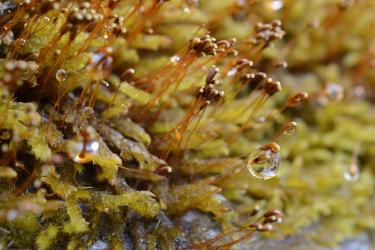
Sea moss sat on health store shelves for years, mostly ignored. Now it’s everywhere-smoothie bars, supplement aisles, wellness influencer feeds. What changed?
The answer involves a mix of social media virality, growing interest in mineral-rich whole foods, and genuine nutritional science backing some of the claims. But separating marketing hype from real benefits takes work. This guide breaks down what sea moss actually offers, how to use it safely, and whether it deserves a spot in your nutrition routine.
What Exactly Is Sea Moss?
Sea moss refers to several species of red algae, with Chondrus crispus (Irish moss) being the most well-known. It grows along the rocky Atlantic coastlines of Europe and North America. People in Ireland and Jamaica have consumed it for centuries-often as a thickening agent in soups and desserts.
The seaweed contains 92 of the 102 minerals found in the human body. That statistic circulates constantly in marketing materials. While technically accurate, it needs context. Many of those minerals appear in trace amounts too small to significantly impact your daily intake.
That said, sea moss delivers meaningful quantities of:
- Iodine - critical for thyroid function
- Iron - supports oxygen transport in blood
- Magnesium - involved in 300+ enzymatic reactions
- Zinc - immune system support
- Potassium - electrolyte balance and muscle function
The gel also contains prebiotic fiber that feeds beneficial gut bacteria. This might explain why traditional use often centered on digestive support.
Step 1: Choose Your Form Wisely
Sea moss comes in several forms, each with tradeoffs.
Raw dried sea moss requires soaking and blending into gel at home. This option gives you the most control over quality and purity. You can see exactly what you’re getting-no fillers, no additives. Downside? It takes 24-48 hours of soaking before use.
Pre-made sea moss gel offers convenience. Look for products with short ingredient lists (ideally just sea moss and water). Check for refrigeration requirements-shelf-stable gels often contain preservatives.
Capsules and powders work for people who dislike the texture or taste. The processing removes some nutrients, but you still get the mineral content. Read labels carefully. Some products contain only 500mg per serving when studies suggest 1-2 tablespoons of gel (about 4-8 grams) provides meaningful nutritional impact.
Gummies have become wildly popular - they’re essentially sea moss-flavored candy. The actual sea moss content tends to be minimal. If you’re serious about benefits, skip these.
Here’s the deal: sourcing matters enormously. Ocean-harvested sea moss can contain heavy metals from polluted waters. Pool-grown sea moss (yes, this exists) lacks the mineral complexity of wild varieties. Ask vendors about harvesting locations and testing protocols.
Step 2: Prepare Raw Sea Moss Properly
Making gel from dried sea moss takes patience but ensures quality.
Rinse thoroughly - Dried sea moss carries salt, sand, and ocean debris. Run it under cold water for 2-3 minutes, rubbing gently to remove particles.
Soak for 12-24 hours - Place cleaned sea moss in a bowl with spring or filtered water. It should expand 2-3 times in size. Change the water halfway through if it looks murky.
Blend until smooth - Drain the soaking water. Add sea moss to a blender with fresh spring water-start with 1 cup water per ounce of dried sea moss. Blend for 2-3 minutes until completely smooth.
Transfer and refrigerate - Pour into glass jars. The mixture thickens into gel within 2-4 hours in the refrigerator.
The gel keeps for 3-4 weeks refrigerated. You can freeze portions in ice cube trays for longer storage.
Troubleshooting: If your gel stays watery, you used too much water. If it’s overly thick and gummy, add water and re-blend. The ideal consistency resembles applesauce.
Step 3: Incorporate It Into Your Diet
Sea moss gel has an extremely mild taste-slightly oceanic, somewhat earthy. This makes it easy to add to foods without disrupting flavors.
**Start small. ** Begin with 1 teaspoon daily for the first week. Some people experience digestive adjustment (mild bloating or changes in bowel movements) as their gut adapts to the prebiotic fiber. Gradually increase to 1-2 tablespoons daily.
Best applications:
- Blend into smoothies (the gel adds creaminess)
- Stir into oatmeal or overnight oats
- Mix into soups and sauces as a thickener
- Add to homemade salad dressings
- Combine with nut butter for a nutrient-dense spread
Avoid adding sea moss to hot coffee or tea directly-the gel can clump. Pre-mix it with a small amount of cold liquid first.
Timing considerations: The iodine content makes morning consumption preferable. Iodine supports thyroid hormone production, which influences energy and metabolism. Taking it late in the day could potentially affect sleep for sensitive individuals.
Step 4: Monitor Your Body’s Response
Not everyone responds to sea moss the same way. Pay attention to these signals:
Positive signs (usually within 2-4 weeks):
- More consistent energy levels
- Improved digestion and regularity
- Skin clarity (due to zinc and sulfur content)
- Reduced bloating after meals
Warning signs to watch:
- Metallic taste in mouth (possible iodine excess)
- Rapid heartbeat or jitteriness (thyroid overstimulation)
- Skin breakouts or rashes (allergic reaction)
- Digestive distress beyond the initial adjustment period
Stop use and consult a healthcare provider if you experience concerning symptoms. This is especially important if you have thyroid conditions-sea moss’s high iodine content can interfere with medications or worsen certain thyroid disorders.
What Science Actually Supports
Let’s be honest about the evidence gaps.
Strong evidence exists for sea moss as a source of bioavailable minerals and prebiotic fiber. Studies confirm its antioxidant properties and potential anti-inflammatory effects in laboratory settings.
Limited but promising research suggests benefits for gut health. A 2015 study found red seaweed extracts improved gut microbiome diversity in animal models. Human trials remain scarce.
The claims about “boosting immunity,” “increasing libido,” and “detoxifying the body” lack solid clinical backing. These benefits might occur indirectly through improved mineral status, but direct causation hasn’t been established.
Weight loss claims are particularly exaggerated. Sea moss contains almost no calories and might slightly reduce appetite through fiber content. But calling it a weight loss solution stretches reality.
Who Should Avoid Sea Moss
Certain groups should skip sea moss or consult physicians first:
- People with thyroid disorders - The iodine content can worsen hyperthyroidism or interact with thyroid medications
- Those taking blood thinners - Sea moss contains vitamin K, which affects clotting
- Pregnant or breastfeeding women - Insufficient safety data exists
- Anyone with shellfish allergies - Cross-reactivity is possible though not guaranteed
- People on medications for blood pressure - Sea moss has mild blood-thinning properties
Making an Informed Decision
Sea moss isn’t a miracle cure. It’s a nutrient-dense whole food with genuine mineral content and prebiotic benefits. The traditional cultures who’ve used it for centuries weren’t wrong-they just weren’t making Instagram-worthy claims about it.
If you eat a varied diet rich in vegetables, seafood, and whole foods, sea moss probably won’t change your health. But if you struggle to get adequate minerals from food, dislike eating fish, or want to support gut health naturally, it offers a reasonable whole-food option.
Start with quality sourcing - prepare it properly. Monitor your response. And ignore anyone claiming it cures diseases or replaces medical treatment.
The ocean did create something genuinely nutritious here. We just don’t need to oversell it.