How Sleep Quality Affects Your Fitness Results
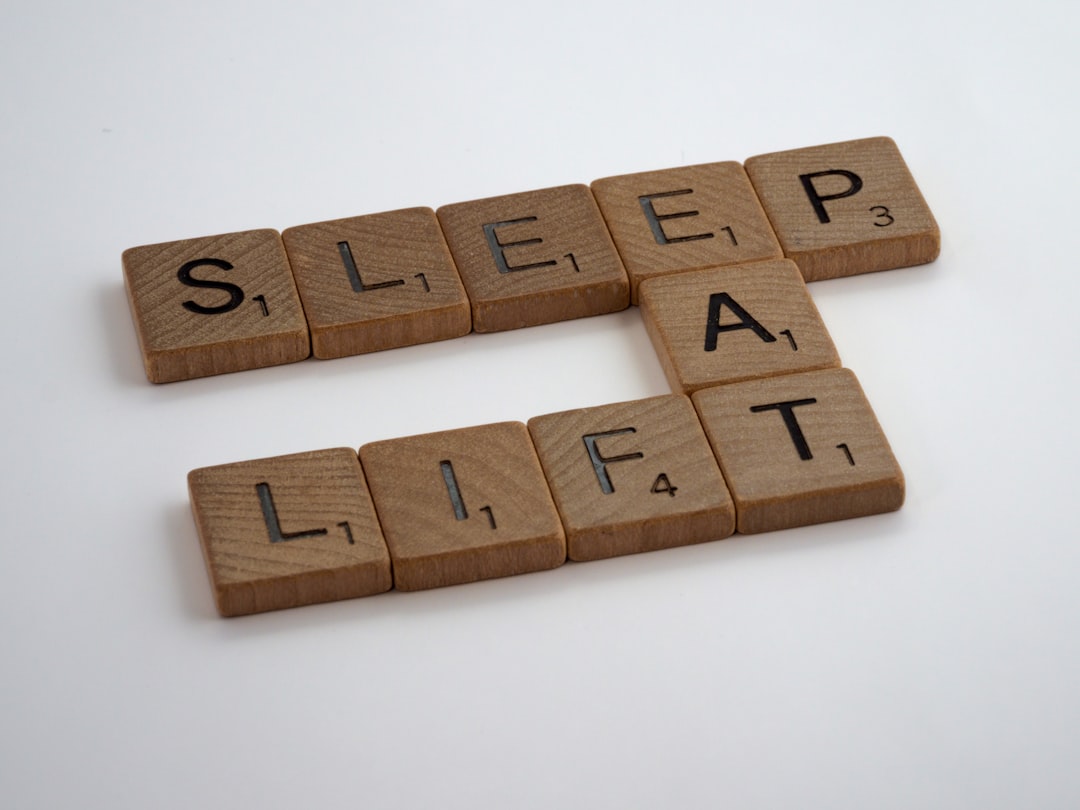
You hit the gym hard - you track your macros. You even bought those expensive supplements everyone swears by. But there’s one recovery tool you might be completely overlooking-and it’s free.
Sleep.
Not just any sleep, though - quality sleep. The kind that leaves you actually feeling restored, not groggy and reaching for another espresso.
Why Your Body Needs Deep Sleep to Build Muscle
Here’s what happens when you sleep: your body releases human growth hormone (HGH) in pulses, primarily during deep sleep stages. Without adequate deep sleep, HGH production drops. Your muscles don’t repair as efficiently. That intense leg day - it goes partially to waste.
Studies show that people sleeping less than 6 hours per night experience up to 60% less muscle protein synthesis compared to those getting 7-9 hours. That’s not a small difference.
But it gets worse. Poor sleep increases cortisol-your stress hormone. Elevated cortisol breaks down muscle tissue and promotes fat storage, especially around your midsection. You’re literally working against yourself.
Step 1: Audit Your Current Sleep Situation
Before changing anything, figure out where you actually stand. Track these metrics for one week:
- Total hours in bed vs. estimated hours asleep
- Number of times you wake during the night
- How you feel on a 1-10 scale each morning
- Caffeine intake times and amounts
- Screen time in the final 2 hours before bed
Most people overestimate their sleep quality by 30-40%. A fitness tracker with sleep monitoring helps, though even basic journaling reveals patterns you’d otherwise miss.
Pay attention to your energy levels around 2-3 PM. Consistent afternoon crashes often signal insufficient or fragmented sleep, not just normal post-lunch fatigue.
Step 2: Set a Non-Negotiable Sleep Window
Pick a bedtime and wake time. Stick to them-weekends included.
Yes, weekends too.
Social jetlag (the shift between weekday and weekend sleep schedules) disrupts your circadian rhythm just like crossing time zones. One late Saturday night can throw off your recovery for the entire following week.
Start with a 7 - 5-hour sleep window. This accounts for the 15-20 minutes most people need to fall asleep while still providing roughly 7 hours of actual sleep. Adjust based on how you feel after 2-3 weeks.
If you’re training intensely, aim higher. Athletes performing heavy resistance training often need 8-9 hours for optimal recovery. Your body is doing more repair work than average.
Step 3: Create a Pre-Sleep Routine That Actually Works
Forget elaborate 90-minute wind-down rituals. Most people won’t stick to them.
**Dim your lights 60-90 minutes before bed. ** Bright overhead lighting suppresses melatonin production. Use lamps instead of ceiling lights. Better yet, switch to warm-toned bulbs (2700K or lower) in your bedroom and living room.
**Stop eating 2-3 hours before sleep. ** Digestion raises your core body temperature and can fragment sleep stages. If you must eat, keep it small-a handful of almonds or some cottage cheese. Avoid anything spicy or acidic.
**Put your phone in another room. ** Not on your nightstand - not face-down nearby. In another room entirely. The temptation to check it disrupts sleep onset and sleep quality more than most people realize.
Step 4: improve Your Sleep Environment
Temperature matters more than comfort products.
Your body needs to drop its core temperature by about 2-3 degrees to initiate deep sleep. Most people keep their bedrooms too warm. Aim for 65-68°F (18-20°C) - cold feet keeping you awake? Wear socks. Seriously-research shows warming your extremities actually helps core body temperature drop faster.
Darkness comes next. Even small amounts of light exposure during sleep reduce melatonin and fragment your sleep cycles. Invest in blackout curtains or a quality sleep mask. Cover any LED lights from electronics with electrical tape.
Noise is trickier. Complete silence works for some people. Others do better with consistent background noise like a fan or white noise machine. What disrupts sleep is variable noise-traffic, neighbors, dogs barking at random intervals. Block that out however you can.
Step 5: Time Your Training for Better Sleep
Morning and early afternoon workouts generally improve sleep quality. Evening training - it depends.
High-intensity workouts within 2-3 hours of bedtime improve your core temperature and cortisol levels, making it harder to fall asleep. Some people handle this fine - others lie awake for hours.
If you’re stuck training late, shift toward lower-intensity sessions in the evening. Save your heavy compound lifts and HIIT sessions for earlier in the day when possible.
One exception: light stretching or yoga before bed can actually improve sleep onset. The key word is light - you shouldn’t break a sweat.
Step 6: Address the Nutrition-Sleep Connection
Certain nutrients directly impact sleep quality:
Magnesium helps activate your parasympathetic nervous system-the “rest and digest” mode. Many athletes run deficient due to losses through sweat. Consider 300-400mg of magnesium glycinate 30-60 minutes before bed. It’s well-absorbed and doesn’t cause digestive issues like other forms.
Tryptophan is the amino acid your body uses to make serotonin and melatonin. Turkey gets all the attention, but eggs, cheese, and pumpkin seeds contain substantial amounts too. A small protein-rich snack 2-3 hours before bed can help-just don’t overdo it.
**Cut caffeine earlier than you think. ** Caffeine has a half-life of 5-6 hours, meaning half of that afternoon coffee is still circulating at midnight. If you’re sensitive, set a hard cutoff at noon. Even if you fall asleep fine after late caffeine, it reduces the percentage of deep sleep you get.
Alcohol deserves special mention. Yes, it helps you fall asleep faster. But it absolutely wrecks sleep quality. Alcohol fragments your sleep architecture, reduces REM sleep, and causes more frequent wakings in the second half of the night. A glass of wine at dinner probably won’t ruin you. Three beers before bed will.
Troubleshooting Common Sleep Problems
You fall asleep fine but wake at 3 AM: Blood sugar regulation might be the culprit. Try a small snack with protein and complex carbs before bed. Also rule out sleep apnea-it’s far more common than people realize, especially in athletes with larger neck circumference.
You can’t fall asleep-your mind races: Write down tomorrow’s tasks and worries before attempting sleep. Keep a notepad by your bed for any thoughts that pop up. Getting them out of your head and onto paper helps.
You sleep 8 hours but still feel tired: Quality over quantity. You might be getting insufficient deep sleep or REM sleep. Consider a sleep study if this persists despite optimizing your environment and habits.
You’re sore and can’t get comfortable: Don’t take NSAIDs like ibuprofen regularly-they may interfere with muscle protein synthesis. Try tart cherry juice, which provides natural anti-inflammatory compounds and actually increases melatonin production.
What to Expect When Sleep Improves
Give it 2-3 weeks of consistent effort. Most people notice:
- Faster recovery between training sessions
- Improved strength on compound lifts
- Better appetite regulation (goodbye, post-workout sugar cravings)
- More consistent energy throughout the day
- Improved mood and motivation
Your gains won’t double overnight. But you’ll stop leaving results on the table. Every workout you complete will actually translate to progress instead of partially going to waste.
Sleep isn’t passive - it’s active recovery. Treat it with the same intention you bring to your training, and watch what happens.