Social Fitness Clubs Replace Traditional Gyms in 2026
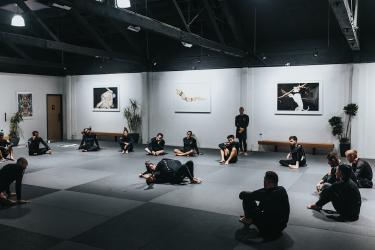
The gym as you know it is dying. Not dramatically-more like a slow fade while something livelier takes its place.
Across cities and suburbs, social fitness clubs are pulling members away from traditional gyms at a pace nobody predicted. These are more than workout spaces with better lighting. They’re community hubs where the treadmill comes second to connection.
Why People Are Abandoning Solo Workouts
Here’s the deal: most gym memberships go unused. The industry has built its entire business model around people paying but not showing up. About 67% of gym memberships never get used regularly, according to fitness industry data from 2025.
Social fitness clubs flip that script entirely.
When your workout involves other people counting on you, skipping feels different. It’s not just breaking a promise to yourself-you’re letting down your Tuesday morning rowing crew or your Thursday evening dance circle.
The accountability factor alone drives attendance rates 3-4x higher than traditional gyms. But that’s only part of the equation.
How Social Fitness Clubs Actually Work
Step 1: Find a Club That Matches Your Interests
Not all social fitness clubs operate the same way. Some focus on specific activities-running clubs, cycling collectives, outdoor boot camps. Others function more like wellness centers with rotating group activities throughout the week.
Start by identifying what you actually enjoy. Hate running? Skip the trail running groups no matter how cool their Instagram looks. Love dancing but feel awkward in Zumba classes? Look for clubs offering partner dancing or freestyle sessions with a social hour attached.
The fit matters more than the facilities. A modest club with your people beats a fancy one where you feel out of place.
Step 2: Attend as a Guest Before Committing
Most social fitness clubs offer trial classes or guest passes. Use them - and not just once.
Pay attention to:
- How members interact with newcomers (welcoming or cliquish? )
- Whether instructors learn names and backgrounds
- The vibe after class ends (do people linger and chat? )
- Age and fitness level diversity
- How competition is handled (supportive or aggressive?
One visit won’t reveal much - three visits start showing patterns.
Step 3: Start With Lower-Commitment Options
Many clubs offer tiered memberships. Begin with a basic plan that gives you access to a few group sessions weekly. This prevents the classic mistake of overcommitting, burning out, and quitting.
Your goal for the first month: show up consistently twice a week. That’s it - build the habit before expanding.
Step 4: Engage Beyond the Workout
The social part only works if you participate in it. This means:
- Arriving 10-15 minutes early to chat.
Social fitness clubs provide the structure. You provide the effort to connect.
What Makes These Clubs Different From Group Fitness Classes
Traditional gyms offer group classes - so what’s actually different?
The continuity. In a typical gym class, you might see completely different people every week. The instructor teaches to a room of strangers. You sweat near each other without any real interaction.
Social fitness clubs create cohorts. You sign up for the 6 AM Tuesday/Thursday cycling group, and you see the same 15-20 faces for months. Relationships form - inside jokes develop. Someone notices when you’re absent.
That continuity transforms exercise from a chore into a social commitment-and research consistently shows social commitments stick better than personal ones.
Types of Social Fitness Clubs Gaining Popularity
Running and walking clubs: The simplest model. Groups meet at designated times, tackle routes together, often ending at a coffee shop or brewery. Low equipment requirements make these accessible.
Boutique cycling collectives: Indoor cycling classes with consistent member groups, often organized around music genres or intensity levels. Many schedule post-ride brunches.
CrossFit-style communities: Already built around the community model, but newer iterations emphasize social connection over competition.
Outdoor adventure clubs: Hiking, kayaking, rock climbing-activities that require groups anyway. These clubs formalize the social structure.
Wellness centers with fitness components: Combining yoga, meditation, fitness classes, and social spaces. Some include saunas, cafes, or co-working areas.
Dance fitness communities: Everything from salsa to hip-hop, structured around regular partner or group sessions with social events mixed in.
The Cost Comparison
Social fitness clubs typically cost more than budget gyms. You’re looking at $80-200 monthly versus $10-30 for a basic gym membership.
But compare actual usage. That $25/month gym membership you use twice costs $12. 50 per visit. A $150/month social club you attend 12 times costs $12. 50 per visit-with community benefits attached.
The calculation changes when you factor in consistency. Expensive memberships you actually use beat cheap ones gathering dust.
Some clubs offer sliding scale pricing or work-trade arrangements where members help with operations in exchange for reduced rates. Worth asking about.
Making the Transition From Traditional Gyms
Keep Both Initially
Don’t cancel your gym membership immediately. Run both for 2-3 months while you establish your new routine. Some people discover they want both-social classes for community, gym equipment for solo strength training.
Adjust Your Expectations
Social fitness clubs don’t replace every gym function. Need specific machines for rehabilitation exercises? You might still need gym access. Want to lift heavy in complete silence? That’s a solo gym activity.
Think of social clubs as serving your community and consistency needs, not necessarily every fitness need.
Be Patient With the Social Element
Connections take time. If you’ve been a solo gym-goer for years, group dynamics might feel uncomfortable initially. Give yourself at least three months before judging whether the community aspect works for you.
Warning Signs of Poorly Run Social Clubs
Not every club delivers on its promises. Watch for:
- High instructor turnover: Community-building requires consistent leadership
- Aggressive upselling: Constant pressure to buy supplements, upgrade packages, or attend expensive retreats
- Clique culture: Established members excluding newcomers from social activities
- Unsafe practices: Pushing members beyond safe limits to create intensity
- No actual social programming: Using “community” as marketing without organizing connection opportunities
Trust your instincts. A genuinely welcoming environment feels welcoming.
How to Evaluate Your Progress
Traditional fitness tracking-weight, measurements, lift numbers-still applies. But social fitness clubs add other metrics worth monitoring:
- How many members do you know by name? - Are you looking forward to sessions or dreading them? - Has your attendance rate improved compared to previous fitness attempts? - Do you have workout partners you’d contact outside the club? - Has exercise become a social highlight of your week?
These indicators often predict long-term fitness success better than any scale.
The Bigger Picture
Gyms aren’t disappearing entirely. Some people genuinely prefer solo workouts with headphones and zero conversation. That’s valid.
But the social fitness movement addresses something gyms never could: the loneliness epidemic intersecting with the motivation problem. When exercise solves both simultaneously, it becomes sustainable.
Find your people - move with them. The fitness part tends to follow.