Sorbitol Warning: Sugar-Free Sweetener Effects Revealed
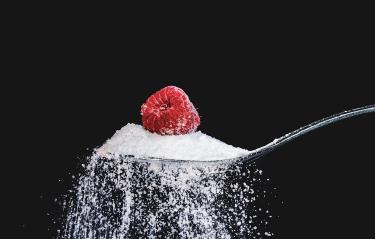
You’ve probably seen “sugar-free” labels and thought you were making the healthier choice. But here’s what manufacturers don’t advertise: sorbitol, that common sugar substitute, can wreak havoc on your digestive system and undermine your fitness goals.
Let me show you exactly what sorbitol does to your body and how to navigate sugar-free products without the nasty surprises.
Understand What Sorbitol Actually Is
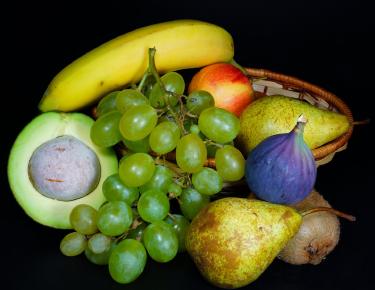
Sorbitol belongs to a family of sweeteners called sugar alcohols. Despite the name, it won’t get you drunk-it’s a carbohydrate that occurs naturally in fruits like apples, pears, and prunes.
Manufacturers love it because it provides about 60% of sugar’s sweetness with fewer calories (2. 6 calories per gram versus sugar’s 4).
- Sugar-free gum and mints
- Diet sodas and energy drinks
- Protein bars labeled “low sugar”
- Diabetic-friendly desserts
- Sugar-free cough drops
The FDA classifies sorbitol as “generally recognized as safe,” but that designation masks some important caveats.
Recognize the Digestive Impact
Here’s where things get uncomfortable - literally.
Your small intestine struggles to absorb sorbitol efficiently. When unabsorbed sorbitol reaches your colon, it pulls water into your intestines through osmosis-the same principle that makes you thirsty after eating salty food.
This water influx causes:
Immediate effects (30 minutes to 2 hours):
- Bloating and gas
- Abdominal cramping
- Urgent bowel movements
- Diarrhea
The threshold varies by person, but research shows that consuming more than 10-20 grams of sorbitol in one sitting triggers symptoms in most people. That’s roughly 14-28 sticks of sugar-free gum.
Sound like a lot? Consider this: one “sugar-free” protein bar can contain 8-12 grams. Two bars and you’re in trouble.
Calculate Your Personal Tolerance Level
Don’t guess-test systematically.
Step 1: Check product labels for sorbitol content. It’s listed under “sugar alcohols” in the nutrition facts. Some labels break down individual sugar alcohols, others give only the total.
Step 2: Start with a small dose-5 grams or less. Eat the product on an empty stomach so you can isolate the effects.
Step 3: Wait 3-4 hours. Track any digestive symptoms in a food journal. Be specific: “mild bloating at 90 minutes” tells you more than “felt weird.
Step 4: If you experience no symptoms, increase by 5 grams the following day. If symptoms appear, you’ve found your ceiling.
Most athletes discover their tolerance sits between 10-15 grams daily. Going over this amount compromises training because digestive distress and dehydration don’t mix well with workouts.
Avoid the Hidden Sorbitol Trap
Sorbitol hides in places you wouldn’t expect.
Medications use it as a sweetening agent-especially liquid formulations and chewable tablets. Check the inactive ingredients list on your:
- Multivitamins
- Cough syrups
- Antacids
- Allergy medications
Natural sources add up too. One medium pear contains 2-3 grams of sorbitol. Dried prunes pack 15 grams per cup. Stone fruits like peaches, apricots, and cherries all contain sorbitol.
If you’re following a low-FODMAP diet for IBS, you’re already avoiding high-sorbitol foods. But if you’re just watching sugar intake, you might be consuming sorbitol without realizing it.
Choose Better Alternatives
Not all sugar substitutes cause the same problems.
Erythritol is another sugar alcohol, but your body absorbs 90% of it in the small intestine before it reaches the colon. This means significantly fewer digestive issues. Tolerance threshold: 35-40 grams for most people.
Stevia and monk fruit are plant-based sweeteners that don’t affect blood sugar or cause digestive distress. They’re much sweeter than sugar, so products need less of them.
Allulose is a rare sugar that tastes identical to table sugar but provides only 0. 4 calories per gram. Your body absorbs it but doesn’t metabolize it for energy.
When shopping for protein bars, pre-workout drinks, or snacks, scan the ingredients list. Products using erythritol or allulose as the primary sweetener will treat your gut better.
Time Your Sorbitol Consumption Strategically
If you tolerate sorbitol in small amounts and want to include it, timing matters.
Never before training: Digestive upset during a workout kills performance. Skip sugar-free gum and mints within 2 hours of exercise.
Not on an empty stomach: Sorbitol’s effects intensify when there’s no other food to slow its transit through your digestive system.
Spread it out: If your tolerance is 15 grams daily, don’t consume it all at once. Split it between morning and afternoon to minimize symptoms.
Stay hydrated: Since sorbitol pulls water into your intestines, you need extra fluids to compensate. Add 8-16 ounces of water for every 10 grams of sorbitol consumed.
Monitor Long-Term Effects on Your Goals
Beyond immediate digestive issues, sorbitol can sabotage your fitness progress indirectly.
Diarrhea causes electrolyte loss-sodium, potassium, and magnesium all leave your body faster than normal. This impacts muscle function and recovery. Chronic low-grade dehydration from regular sorbitol consumption reduces workout performance by 10-15%.
Some research suggests that artificial sweeteners (including sugar alcohols) may alter gut bacteria composition over time. Your microbiome influences everything from immune function to mental health to nutrient absorption. We don’t yet understand the full implications, but preliminary studies show changes in bacterial diversity.
If you’re tracking macros and body composition, remember that sorbitol still contains calories. Labels often list “net carbs” by subtracting sugar alcohols, but your body does absorb some of those calories-roughly 65% of what’s listed.
What to Do If You Overdose
Ate an entire bag of sugar-free candy? Here’s damage control:
Hydrate aggressively: Drink 16-32 ounces of water immediately, then 8 ounces every hour.
Add electrolytes: Use a sugar-free electrolyte supplement (without sorbitol-check the label! ) to replace minerals.
Cancel intense training: Reschedule your heavy workout. Light walking is fine and may actually help move things along.
Eat bland, binding foods: Rice, bananas, toast, and applesauce can slow down diarrhea.
Wait it out: Symptoms typically resolve within 6-12 hours once the sorbitol clears your system.
The good news - sorbitol doesn’t cause lasting damage. It’s uncomfortable, not dangerous.
The Bottom Line on Sugar-Free Claims
Marketing teams know that “sugar-free” sells. But “sugar-free” doesn’t automatically mean “better for you” or “consequence-free.
Read labels carefully - know your tolerance. Choose products with erythritol, stevia, or allulose when possible. And remember that whole foods-even ones containing natural sugars-often serve your fitness goals better than processed alternatives sweetened with sugar alcohols.
Your digestive system will thank you.