Stretching Routines That Actually Improve Flexibility

Most people stretch wrong. They bounce into a position, hold for a few seconds, and wonder why they’re still as stiff as a board three months later. Sound familiar?
Flexibility isn’t about forcing your body into pretzel shapes. It’s about teaching your nervous system to relax into positions it currently perceives as threatening. That distinction changes everything about how you should approach stretching.
Why Your Current Stretching Routine Probably Isn’t Working
Here’s the deal: your muscles aren’t actually “tight” in the way you think. They’re being held in tension by your nervous system as a protective mechanism. When you yank yourself into a deep stretch, your body fights back. It tightens up even more.
This explains why someone can stretch their hamstrings daily for years and barely gain an inch of range. They’re fighting against their own nervous system instead of working with it.
The routines below take a different approach. They use techniques that actually convince your body it’s safe to lengthen.
The Three Types of Stretching That Actually Work
1. Contract-Relax Stretching (PNF)
Propriceptive Neuromuscular Facilitation sounds complicated - the execution is simple.
How to do it:
- Move into a stretch until you feel mild tension. Not pain - just tension. 2. Contract the muscle you’re stretching at about 20-30% effort for 5-6 seconds. Push against an immovable object or your own hand. 3 - relax completely for 2-3 seconds. 4 - move deeper into the stretch. You’ll find you can go further. 5. Repeat 2-3 times per muscle group.
Why this works: The contraction activates something called autogenic inhibition. Basically, after a muscle contracts, it reflexively relaxes more deeply than it would otherwise. You’re hacking your nervous system.
Try this with your hamstrings. Lie on your back, loop a strap around one foot, and raise that leg toward the ceiling. Push your heel into the strap for 6 seconds, then relax and pull the leg closer. Most people gain 10-15 degrees of motion in a single session.
2. Loaded Progressive Stretching
Static stretching has its place. But adding light load while stretching produces faster results.
The protocol:
- Choose a position that stretches the target muscle while allowing you to add weight. 2. Start with bodyweight only or very light load (5-10 lbs). 3 - hold for 60-90 seconds. Yes, that long - 4. Breathe slowly and deliberately. 4 seconds in, 6 seconds out. 5. Each week, either add small weight or increase time (up to 2 minutes).
Example for hip flexors:
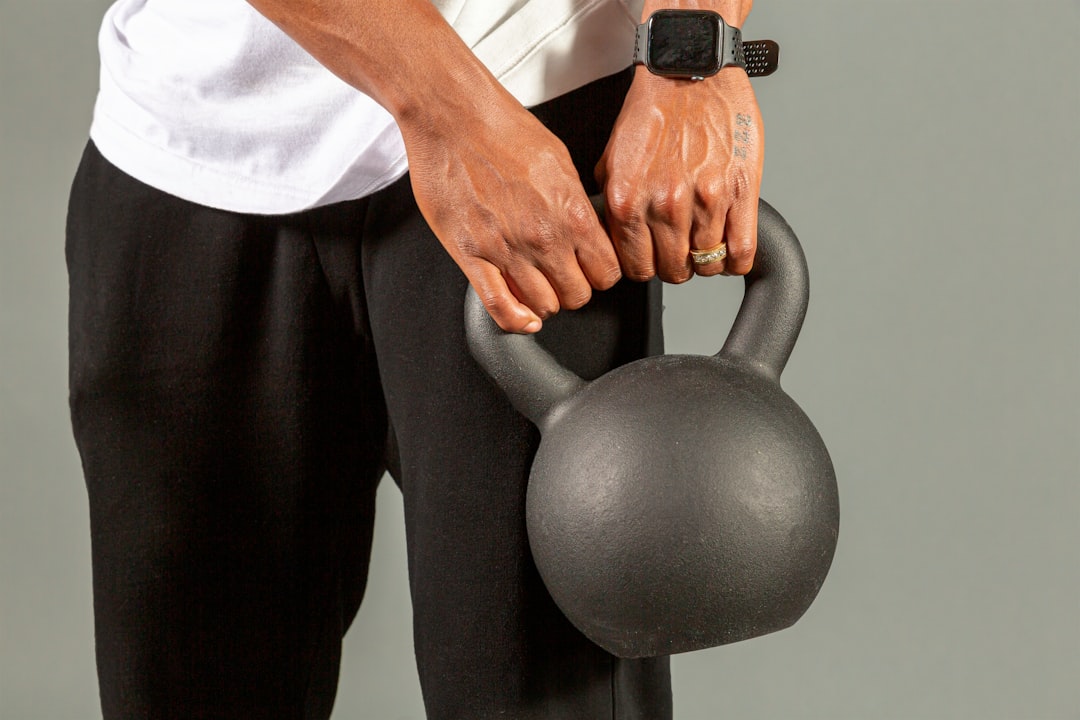
Get into a half-kneeling position with your back knee on a pad. Squeeze your glute on the kneeling side and tuck your pelvis under slightly. You should feel a stretch in the front of your hip. Hold a light kettlebell or dumbbell at your chest. Stay here for 90 seconds while breathing deeply.
The load creates a stronger signal to your nervous system that this position is safe and normal. Your body adapts by allowing more range.
3. End-Range Isometrics
Flexibility you can’t control is useless. And sometimes dangerous. End-range isometrics build strength at your current end range, which tells your body it can safely access more range.
The method:
- Move to the end of your comfortable range of motion. 2. Apply light tension in the stretched position (like you’re trying to contract the stretched muscle). 3 - hold for 30-45 seconds. 4 - rest and repeat 2-3 times.
For shoulder flexibility:
Lie face-down on a bench with one arm hanging straight down, holding a light weight (3-5 lbs). Let the weight pull your arm into slight extension behind your body. Now, without moving, gently try to lift the weight. You’re creating tension at your end range. Hold 30 seconds.
This builds what’s called “active flexibility” - range of motion you can actually use and control.
A Weekly Routine That Delivers Results
Don’t stretch everything every day. That’s inefficient and you won’t stick with it.
Monday & Thursday - Lower Body Focus (15-20 minutes)
- Hip flexor stretch with posterior pelvic tilt: 90 seconds each side
- 90/90 hip stretch with contract-relax: 3 rounds each position
- Loaded hamstring stretch (Romanian deadlift hold at bottom): 60-90 seconds
- Deep squat hold with weight: 2 minutes total
Tuesday & Friday - Upper Body Focus (10-15 minutes)
- Doorway chest stretch with contract-relax: 3 rounds each arm
- Wall angels (slow and controlled): 10 reps
- Loaded lat stretch (hang from bar or use cable): 60-90 seconds
- End-range shoulder rotations with light band: 3 x 30 seconds each direction
Daily - The Non-Negotiables (5 minutes)
- Cat-cow spine mobilization: 10 slow cycles
- World’s greatest stretch: 5 each side
- Deep breathing in any comfortable stretch position: 2 minutes
That’s it. Thirty-five to forty-five minutes per week of focused work beats an hour of mindless stretching daily.
Common Mistakes and How to Fix Them
Mistake 1: Stretching cold muscles
A 2-minute walk or some light movement before stretching makes a noticeable difference. Your tissues literally slide past each other more easily when warm.
Mistake 2: Holding your breath
Breathing slowly activates your parasympathetic nervous system - the “rest and digest” mode. This reduces the protective tension your body holds. Exhale as you move deeper into stretches.
Mistake 3: Chasing pain
Intense stretching sensations trigger protective reflexes. Stay at a 6/10 discomfort level maximum. You should be able to relax and breathe normally. If you’re grimacing, back off.
Mistake 4: Inconsistency
Four 10-minute sessions spread across a week beats one 40-minute marathon. Your nervous system needs repeated exposure to new ranges of motion to accept them as normal.
Mistake 5: Stretching the wrong thing
Tight hamstrings might actually be a core stability issue. Tight hip flexors might be compensation for weak glutes. If a muscle won’t release despite consistent work, the problem might be elsewhere. Consider getting assessed by a movement professional.
What Results to Expect (Realistically)
After 2 weeks: You’ll notice positions feel easier, even if measured range hasn’t changed much. That’s your nervous system starting to adapt.
After 4-6 weeks: Measurable improvements appear. Expect 10-20% gains in range of motion for areas you’ve focused on.
After 3 months: Significant changes. Movements that felt impossible become accessible. The deep squat that was a struggle? Now it’s comfortable.
After 6 months: New ranges feel normal. You won’t lose them after a week off. They’re integrated into your movement patterns.
The people who fail are the ones expecting overnight transformation. Your body took years to develop its current limitations. It needs time to undo them. But the timeline is shorter than most people think when you use the right techniques.
The Bottom Line
Stop stretching harder - start stretching smarter. Use contract-relax to bypass your nervous system’s protective reflexes. Add light load to accelerate adaptation. Build strength at your end ranges so your body trusts the new positions.
Pick one or two areas that limit you most. Apply these methods consistently for six weeks. Measure your starting point - a photo or video works great - so you can see the change.
Flexibility isn’t genetic destiny - it’s a skill. And like any skill, it responds to the right kind of practice.